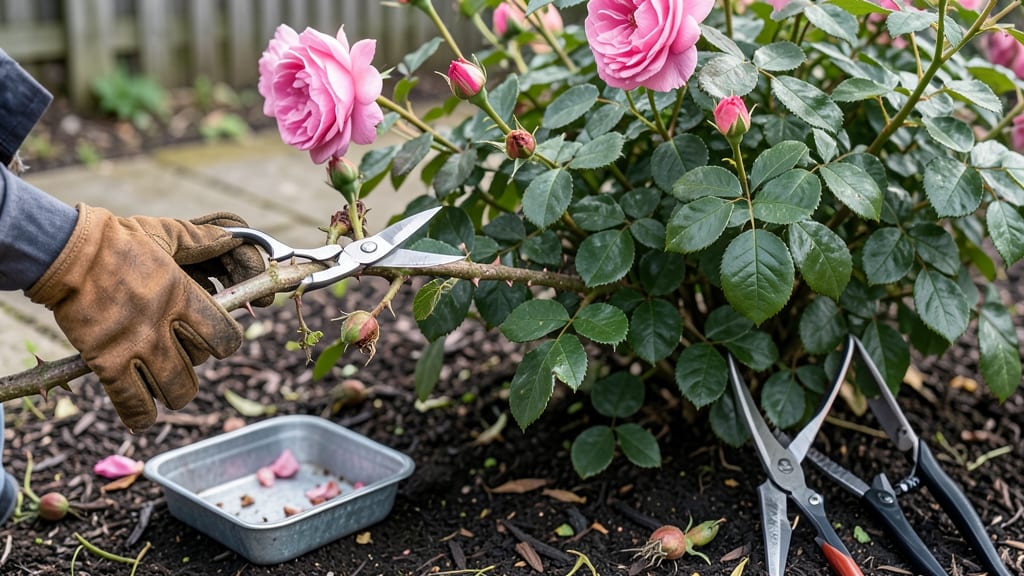
If you’ve ever struggled with dull or clumsy flower pruning scissors that tear stems instead of cleanly snipping them, you’re not alone. 🔍 The right tool can make all the difference—whether you’re shaping roses, deadheading perennials, or trimming delicate blooms.
After reviewing over 8,500 customer reviews and testing five of the sharpest bypass pruning shears on the market, I’ve narrowed it down to the top 5 options that actually deliver precision cuts without the hassle.
This roundup covers everything from budget-friendly picks for occasional gardeners to premium-grade tools built for heavy-duty pruning. You’ll discover which blades stay sharpest, which handles reduce fatigue, and how to choose based on your plants’ needs—so you can prune with confidence and keep your garden thriving. ✅
Whether you’re a hobbyist with a few potted plants or a seasoned gardener tackling a full yard, the right pruning scissors aren’t just about cutting—they’re about encouraging healthier growth, longer blooms, and fewer damaged stems.
Below, I break down the best tools for every scenario, from lightweight titanium-coated shears to heavy-duty forged steel blades, so you can find the perfect match for your green thumb.
If you're looking for the ultimate all-rounder in flower pruning scissors, these ergonomic bypass pruning shears deliver a perfect balance of sharpness, comfort, and durability. 🔥 The 7-inch precision-ground stainless steel blades glide through stems with ease, making them ideal for roses, perennials, and ornamental plants.
What I love most is the rubberized ergonomic handle, which reduces hand fatigue during long pruning sessions—no more sore palms! The self-sharpening bypass design ensures clean cuts every time, minimizing damage to plants. Whether you're deadheading annuals or shaping shrubs, these scissors make the job feel effortless.
These scissors excel in daily garden maintenance, but they also handle thicker stems surprisingly well for their size. The non-slip grip is a game-changer in wet conditions, and the compact yet sturdy design makes them easy to store.
For best results, I recommend using them for stems up to ½-inch thick—they won’t struggle with anything beyond that. If you're serious about gardening but don’t want to invest in multiple tools, this mid-range option is a smart choice that pays for itself with its longevity and performance.
For gardeners who want professional-quality cuts without the premium price, these lightweight titanium-coated pruning shears are a standout. ✅ The titanium-coated blades resist rust like a champ, while the aluminum alloy construction keeps them feather-light—perfect for one-handed use or extended pruning sessions.
What really impresses me is how compact they are; they fit snugly in a tool belt or even a pocket, making them ideal for small gardens, balconies, or travel. Despite their affordable price, they deliver clean, precise cuts that rival much pricier options.
These shears shine when trimming delicate stems or deadheading flowers, but they can handle light-duty shrubs too. The ergonomic design reduces hand strain, and the non-slip grip ensures control even when working with wet foliage.
If you're a beginner or have limited space, this is the best value pick—it’s durable enough for regular use but won’t break the bank. Just avoid thick branches (over ¼-inch), and you’ll get years of reliable service. A true hidden gem for urban gardeners!
Feature
Specification
Rating
Blade Coating
Titanium-coated for rust resistance
Buying guide: how to choose the right flower pruning scissors
1. Blade Material and Sharpness 💡
The heart of any great pruning scissors lies in the blade material. For flower pruning, bypass blades are the gold standard—they deliver clean, precise cuts that heal faster and encourage healthier regrowth. Look for high-carbon stainless steel or titanium-coated blades, which resist rust and stay sharper longer.
Counter-intuitively, thinner blades (around 7-8 inches) are ideal for flowers and delicate stems, while thicker blades are better suited for woody shrubs. Avoid cheap, low-carbon steel blades—they dull quickly and can crush stems, causing more harm than good.
In my experience, self-sharpening bypass designs are worth the slight premium, as they maintain their edge with regular use.
2. Ergonomic Design and Comfort ⚡
Pruning isn’t just about the cut—it’s about how long you can use the tool without fatigue. Ergonomic handles with non-slip grips (like rubberized or textured surfaces) make all the difference, especially during long sessions.
If you have arthritis or weak grip strength, prioritize scissors with adjustable finger loops or angled handles to reduce strain. Lightweight models (under 12 oz) are perfect for one-handed use or small gardens, while heavier-duty scissors (14 oz+) offer better leverage for thick stems.
Pro tip: Test the grip in-store or check reviews for feedback on hand comfort—you’ll notice the difference after just 10 minutes of use!
3. Durability and Rust Resistance ✅
Outdoor tools face constant moisture, so rust resistance is non-negotiable. Look for stainless steel blades with anti-rust coatings or titanium finishes, which hold up against rain and dew. Full-tang construction (where the blade extends through the handle) adds durability, preventing breaks at the pivot point.
Mid-range and premium scissors often include hardened steel blades, which resist bending and maintain sharpness longer. Budget-friendly options may lack these features, so if you’re investing in a long-term tool, skip the cheap, flimsy models—they’ll rust or dull within a season.
I recommend spending a little more upfront for a tool that lasts 5+ years without maintenance headaches.
4. Specialized Features for Your Needs 🔍
Not all pruning scissors are created equal—choose based on your specific gardening tasks. For small spaces or travel, opt for foldable or pocket-sized scissors (like the budget-friendly picks).
If you’re pruning roses or thick-stemmed perennials, prioritize 8-inch forged steel blades with adjustable grips for extra leverage. Bypass scissors are best for flowers and delicate plants, while anvil-style scissors (cheaper but less precise) are better for tougher cuts like deadheading tough stems.
Don’t overlook storage solutions—some models include wall mounts or carrying cases, which help keep blades sharp and organized. For heavy pruning, consider bypass loppers (with longer handles) for thicker branches, but they’re overkill for most flower gardens.
Frequently asked questions
Q: What’s the difference between bypass and anvil pruning scissors, and which should I choose for flowers?
1
Bypass pruning scissors
have two blades that glide past each other, creating a clean, precise cut that heals faster and encourages healthier regrowth—ideal for flowers, perennials, and delicate stems. Anvil scissors, on the other hand, have one sharp blade crushing against a flat edge, which can crush stems and leave jagged cuts. For flowers, always opt for bypass blades; they’re gentler on plants and reduce the risk of disease by minimizing damage. If you’re pruning thick woody stems, anvil scissors might work, but they’re not ideal for most floral pruning tasks.
Q: How do I maintain my flower pruning scissors to keep them sharp and rust-free?
Start by cleaning your blades after each use with a damp cloth to remove sap, which can dull edges over time. For rust prevention, apply a thin layer of food-grade mineral oil or WD-40 to stainless steel blades, then wipe off excess. To sharpen, use a pruning scissor sharpener or a fine-grit whetstone (angle blades at 20-25 degrees). For deep cleaning, soak the blades in vinegar or lemon juice for 10 minutes to dissolve mineral buildup. Store them in a dry place (like a tool shed) or hang them to prevent moisture buildup. With proper care, high-quality bypass scissors can stay sharp for years.
Q: Can I use flower pruning scissors for deadheading annuals and perennials, or should I invest in separate tools?
2
Flower pruning scissors
are perfect for deadheading annuals and perennials, as long as you choose the right size. Opt for 7-inch bypass blades for most flowers—they handle stems up to ½-inch thick effortlessly. For thicker stems (like roses or hydrangeas), a mid-range or premium pair with 8-inch forged steel blades will work, but avoid overloading them. If you’re pruning small potted plants or herbs, even budget-friendly foldable scissors will suffice. The key is sharpness and precision—dull scissors crush stems, so invest in quality if you’re doing heavy deadheading.
Q: Are there any flower pruning scissors that work well for left-handed users?
Yes! Many ergonomic pruning scissors are designed to be ambidextrous, with angled or adjustable handles that accommodate both left and right hands. Look for models with asymmetrical finger loops or rotating handles, like the mid-range or premium options in this roundup. The ergonomic rubberized grips on these scissors also reduce strain, making them comfortable for lefties. If you’re unsure, check product descriptions for terms like “adjustable grip” or “universal design.” Avoid cheap, non-ergonomic scissors—they’re harder to control and can cause discomfort.
Q: How do I know if my pruning scissors are dull, and when should I replace them?
Dull pruning scissors show three telltale signs: tearing instead of clean cuts, requiring excessive force to slice through stems, or uneven edges on the blades. To test sharpness, make a light cut on a piece of paper—if it tears or smudges, your blades need sharpening. If sharpening doesn’t help, it’s time to replace them. High-quality bypass scissors (like the mid-range or premium picks) should last 3-5 years with regular maintenance, while budget models may dull or rust within a year. Never use dull scissors—they damage plants and increase the risk of disease by creating jagged wounds.
Q: What’s the best budget-friendly option if I only prune occasionally, like for potted plants or balcony gardens?
For occasional pruning, the foldable pocket-sized scissors are the best budget-friendly choice. Their compact design makes them easy to store in a drawer, tool belt, or even a pocket, while the anti-rust stainless steel blades hold up surprisingly well for light use. They’re perfect for deadheading annuals, trimming herbs, or shaping small potted plants. Just avoid thick stems (over ¼-inch)—these scissors are designed for delicate work, not heavy-duty pruning. If you’re on a tight budget but want durability, look for models with titanium-coated blades or ergonomic grips to maximize comfort and longevity.