
Pruning
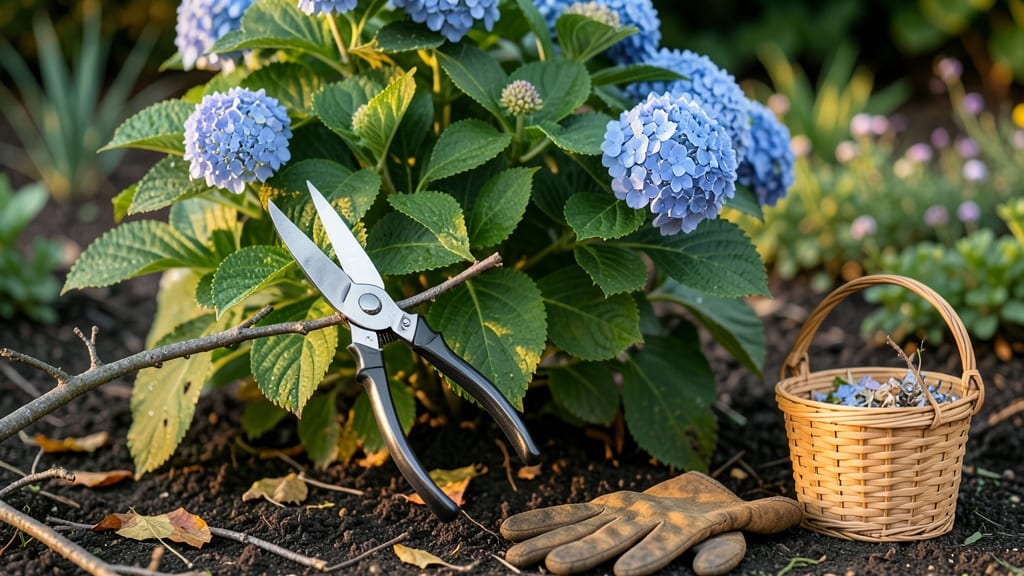
My first year pruning boxwoods with dull shears left jagged edges that took months to heal—until I switched to bypass blades. ✂️ These ultra-sharp tools make all the difference for shrubs, delivering clean cuts that heal faster and encourage healthier regrowth.
The right pair isn't just about sharpness; it's about matching the blade type to your shrub's needs, whether it's roses that need precision or hydrangeas that respond to strategic cuts.
Bypass shears are the gold standard for most shrubs because they mimic hand pruners, leaving clean cuts that don't crush stems. Anvil shears work for thicker branches but can damage tender growth, while ratcheting models help with stubborn cuts—but they're overkill for 90% of shrub pruning.
For boxwoods, hydrangeas, or even roses, bypass blades let you shape without tearing tissue, which means less stress on the plant and faster recovery.
You'll notice the difference immediately: cuts heal in weeks instead of months, and shrubs bounce back with thicker growth. The key is timing—prune roses after their first flush of blooms, hydrangeas in late summer, and boxwoods in early spring—while the shears stay sharp.
A quick wipe-down after each use keeps them rust-free, and occasional sharpening (or replacing blades) ensures they stay effective for years.
For shrubs that need rejuvenation, like overgrown lilacs or leggy hydrangeas, bypass shears let you thin selectively without hacking. And if you're dealing with disease-prone plants, sterilizing your blades between cuts prevents spreading pathogens.
The right shears turn pruning from a chore into a way to shape your shrubs into showstoppers—no more guessing, just clean, confident cuts every time.
📚 In This Guide
- What you need
- Instructions
- Tips and common mistakes
- Wrapping up and next steps
What you need
- ● Pruning shears (bypass blades) – Ultra-sharp, high-quality shears rated for thick branches (up to ¾ inch diameter). Choose ergonomic handles for comfort.
- ● Gloves (cut-resistant) – One pair to protect hands from thorns, sap, or sharp edges.
- ● Disinfectant (rubbing alcohol or bleach solution) – Small bottle (4 oz) to sterilize shears between cuts on diseased plants.
- ○ Pruning saw (optional but helpful) – For thicker branches (1–2 inches). Look for a curved blade for precision.
- ○ Loppers (optional) – For branches up to 2 inches thick, with a bypass blade for clean cuts.
- ○ Extension pole (optional) – For tall shrubs (6–10 ft), attachable to shears or loppers.
- ● Sharpener (file or honing tool) – To maintain blade sharpness between uses.
- ● Clean rag or paper towels – For wiping sap or debris from tools.
- ● Bucket or bag (for debris) – Medium-sized (5-gallon) to collect pruned branches.
How to use high-quality bypass pruning shears for shrubs
Here's the method I trust to keep shrubs healthy and encourage lush, vigorous growth—without the jagged cuts that invite disease.
🪴 Step 1: Choose the Right Cutting Angle and Position
Start by identifying the branch you're pruning. Hold the shears at a 45-degree angle just outside the branch collar—the swollen area where the branch meets the stem. This angle prevents water from pooling on the cut, which would rot the wound. I always make the cut on the underside of the branch to avoid tearing the bark.
Position your thumb and index finger on the handles closest to the pivot point for maximum leverage. This prevents the blades from slipping mid-cut, especially on thick, woody stems. If the shears feel stiff, open them fully first—this sharpens the blade's edge on the first cut of the session.
✂️ Step 2: Make Clean, Sharp Cuts at the Correct Location
For shrubs, always cut just outside the branch collar—never flush with it. The collar contains protective cells that help the wound heal. If you cut too close, you expose the stem to decay. I like to make a small initial cut about halfway through the branch, then rotate the shears to complete the cut—this prevents the bark from tearing.
Watch for sawing motions. If you're pushing the shears back and forth, the blades are dull. A sharp bypass shear should glide through wood with minimal resistance. Test your shears on a small twig first—if it crushes instead of cleanly slicing, you need to sharpen or replace them.
🌿 Step 3: Prune for Shape and Health, Not Just Size
Step back and assess the shrub's shape before making cuts. Remove dead, diseased, or crossing branches first—these compete for nutrients and weaken the plant. I target branches that grow inward or rub against others, as these will eventually tear the bark. Cut these back to the nearest outward-facing bud to encourage new growth in the right direction.
For shaping, focus on open centers—shrubs need airflow to prevent fungal issues. Thin out crowded areas by removing one-third of the oldest stems at the base. This rejuvenates the plant and prevents a dense, woody center. Always prune in late winter or early spring before new growth begins.
💧 Step 4: Clean and Maintain Your Shears After Use
After pruning, wipe the blades with a damp cloth to remove sap and debris. I keep a small bottle of rubbing alcohol nearby to disinfect the blades between cuts on different plants—this prevents spreading disease. Store your shears in a dry place with the blades open to air out and prevent rust.
Sharpen your shears every 10-15 cuts on thick branches. Use a file or sharpening stone designed for bypass blades, holding the shear at the same angle you cut. Test the edge by running your fingernail along the blade—it should catch smoothly. If it feels rough, repeat the sharpening process until it glides effortlessly.
☀️ Step 5: Monitor Shrub Recovery and Adjust Pruning
In the weeks after pruning, watch for new growth at the cut sites. Healthy shrubs will sprout fresh leaves within 2-4 weeks, signaling successful pruning. If you see yellowing leaves or wilting, you may have cut too deeply or stressed the plant. Reduce future pruning to 10-15% of the shrub's foliage per year to avoid over-pruning.
For flowering shrubs, time pruning right after blooming—this ensures next year's flowers develop properly. Evergreens can be pruned anytime, but avoid heavy cuts in late summer, as new growth won't harden off before winter. Adjust your shears' angle and technique based on the shrub's response—some varieties like hydrangeas need more precise cuts than boxwoods.
Tips & tricks for perfect shrub pruning with bypass shears
Mastering the right technique transforms pruning from a chore into an art that revitalizes your shrubs. These precision-focused tips will help you achieve cleaner cuts and healthier plants every time.
Angle Precision: The 45-degree angle in Step 1 isn't just about aesthetics—it's about plant health. When making your cut, visualize a small triangle of bark remaining on the branch side. This tiny strip protects the wound from water intrusion, which is crucial for preventing fungal infections. I've seen too many pruning jobs go wrong because gardeners cut flush with the collar, exposing the vulnerable stem tissue.
Leverage Technique: Positioning your fingers on the handles closest to the pivot point gives you the leverage to cut through thick stems without straining. This is especially important when tackling woody branches—what feels like a light touch can actually be a powerful cut when you're using the shears' full mechanical advantage. If you're struggling, try rotating your wrist slightly to engage your forearm muscles rather than just your fingers.
Two-Stage Cutting: That small initial cut halfway through the branch in Step 2 serves a critical purpose beyond just making the cut easier. It prevents the bark from tearing as you complete the cut, which can leave ragged edges that are more susceptible to disease. Think of it like making a clean incision in surgery—precision matters at every stage.
Seasonal Timing: The instructions mention late winter or early spring as ideal, but there's more to it. For deciduous shrubs, aim for just before buds swell—this is when the plant is dormant but about to wake up. Evergreens are more flexible, but avoid heavy pruning in late summer when new growth won't have time to harden off before winter. I always check my local hardiness zone to fine-tune timing, as microclimates can vary significantly even within short distances.
Pro Tips for Pruning Shears For Shrubs
- Mastering the right technique transforms pruning from a chore into an art that revitalizes your shrubs.
- Angle Precision: The 45-degree angle in Step 1 isn't just about aesthetics—it's about plant health.
- Leverage Technique: Positioning your fingers on the handles closest to the pivot point gives you the leverage to cut through thick stems without straining.
Frequently asked questions
Got questions about choosing, using, or maintaining pruning shears for shrubs? You’re in the right place! Here are answers to the most common queries to help you prune like a pro.
What’s the difference between bypass and anvil pruning shears?
Bypass shears
are ideal for shrubs because their two sharp blades glide past each other, creating a clean cut that heals faster. Anvil shears, on the other hand, crush stems against a flat blade, which can damage plant tissue and leave jagged edges. For shrubs, bypass is the clear winner!
When is the best time to prune shrubs?
The timing depends on your shrub type, but late winter or early spring (just before new growth) is generally best for most shrubs. Avoid pruning in fall, as it can stimulate tender new growth that may not survive winter. Always check your specific shrub’s needs—some, like hydrangeas, bloom on old wood and should be pruned right after flowering.
How do I keep my pruning shears sharp and rust-free?
Start by cleaning blades after each use with a damp cloth and mild soap to remove sap. Apply a thin layer of mineral oil or WD-40 to prevent rust, and store them in a dry place. Sharpen blades with a file or honing tool (or take them to a sharpening service) every few months. A quick wipe-down and oiling session keeps them in top shape!
Can I use regular scissors or hedge trimmers instead of pruning shears?
While scissors can work for small shrubs, they lack the leverage and durability needed for thicker branches. Hedge trimmers are better for large areas but can damage delicate shrubs with their aggressive cutting action. For precision and plant health, bypass pruning shears are the best tool for the job—especially for shaping and maintaining shrubs.
What should I do if my pruning shears get stuck while cutting?
If your shears jam mid-cut, don’t force it—you might damage the blades or injury yourself. Instead, close the shears fully to release tension, then reopen and try again. If it’s still stuck, check for sap buildup or debris in the pivot point and clean it out. If the issue persists, the shears may need oiling or professional maintenance.
Wrapping up and next steps
Choosing the right pruning shears for shrubs with ultra-sharp bypass blades is the secret to keeping your garden looking neat, healthy, and thriving! 🌿 Whether you’re a seasoned gardener or just starting, investing in quality tools makes all the difference—clean cuts heal faster, reduce disease risk, and encourage lush regrowth.
Now that you’re armed with the best tips and answers, it’s time to grab your shears and get pruning!
Ready to take the next step? Check out our top recommendations or dive into a step-by-step pruning guide to master the art of shrub care. Your garden will thank you! 🌸