
Pruning
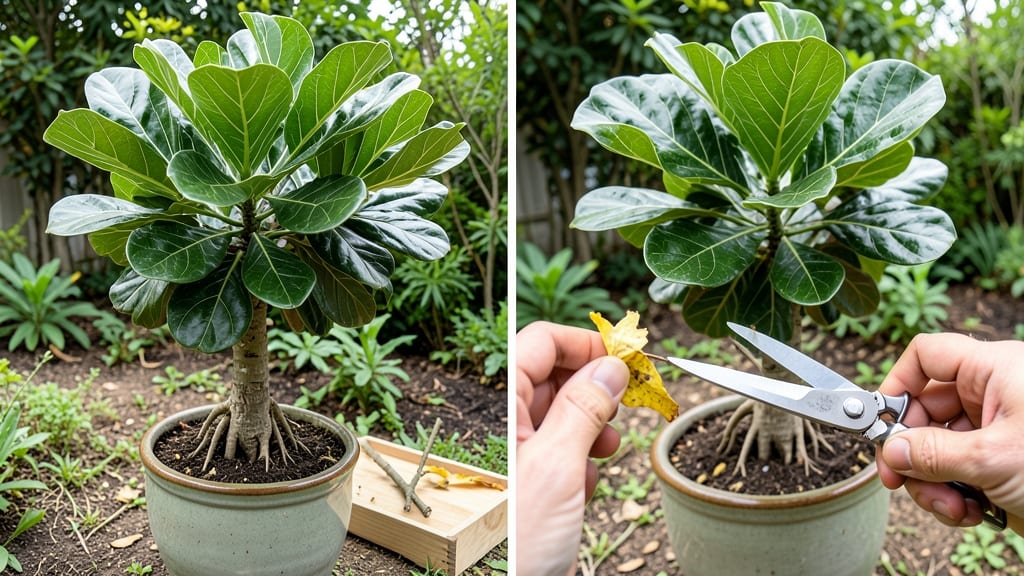
Pruning your fiddle leaf fig tree isn’t just about trimming—it’s about unlocking bushier growth and keeping those iconic leaves vibrant. 🌿 I’ve spent years watching mine transform from leggy to lush, and the secret lies in strategic cuts that encourage new branches while avoiding the common pitfalls that stress the plant.
The best time to prune is in spring or early summer, when the tree is actively growing. You’ll need clean, sharp pruning shears (sterilized with rubbing alcohol) and a plan: target leggy stems, yellowing leaves, or branches growing inward.
Cut just above a leaf node at a slight angle—this is where new growth emerges, and it’s the key to a fuller, healthier plant.
What you’ll end up with is a fiddle leaf fig that looks like it belongs in a botanical garden, not just your living room. The leaves grow larger, the branches fill out, and you’ll notice fewer gaps where light can sneak in and cause those dreaded brown spots.
Just remember: never prune more than 25% of the plant at once, or you’ll shock the roots and set back growth for months.
This method works for both mature trees and young plants—just scale the cuts accordingly. If you’re worried about making mistakes, start small: trim just one leggy stem and watch how the plant responds before committing to bigger changes.
Your fiddle leaf fig will thank you with glossy, thriving foliage all year long.
📚 In This Guide
- What you need
- Instructions
- Tips and common mistakes
- Wrapping up and next steps
What you need
- ● Sharp pruning shears – Bypass pruners (4-6 inch blades) for clean cuts on small branches.
- ● Sterilized pruning saw – For thicker stems (3/8 inch or larger). Alcohol or bleach wipe between cuts to prevent disease.
- ● Rubbing alcohol (70% or higher) – 1 small bottle (8 oz) to sterilize tools.
- ● Gardening gloves – 1 pair (nitrile or leather) to protect from sap and thorns.
- ● Disposable pruning bags or bucket – 1 gallon-sized bag or bucket to collect trimmings.
- ● Rooting hormone – Small container (for propagating cuttings).
- ● Horticultural sealant – 1 small tube (to prevent sap oozing on large cuts).
- ● Spray bottle with water – 8 oz bottle (to mist leaves post-pruning).
- ● Ladder or step stool – If your tree is tall (6+ feet).
- ● Notebook & pen – To sketch your tree’s structure before pruning.
How to prune a fiddle leaf fig tree for full, bushy growth
Here’s my foolproof method for pruning that keeps your fiddle leaf fig thriving—and looking lush year-round.
✂️ Step 1: Gather the Right Tools and Timing
Use only sharp, sterilized pruning shears—dull blades tear leaves, and dirty tools spread disease. Wipe the blades with rubbing alcohol before and after each cut. The best time to prune is late winter or early spring, just as new growth begins. Avoid pruning during dormancy (fall/winter) or in extreme heat—your plant needs energy to recover.
Check your plant’s health first. If leaves are yellowing or dropping due to stress (like underwatering), wait until it recovers before pruning. Healthy fiddle leaf figs have deep green, glossy leaves with no brown edges. You’ll know it’s ready when you see new buds forming at the base—that’s your signal to prune.
🌿 Step 2: Identify Cuts for Shape and Health
Start by removing dead, yellow, or damaged leaves at their base with a clean cut. These leaves drain energy from the plant. Next, look for long, leggy stems—these are branches that stretch upward without leaves. Cut these back to a leaf node (the bump where a leaf or branch grows out). This encourages bushier growth from the sides.
For shaping, focus on creating an open center. If your fig has a bare spot in the middle, trim back the longest branches to a node just above where you want new growth to fill in. Never cut more than one-third of the plant’s foliage at once—this stresses fiddle leaf figs, which are sensitive to heavy pruning.
☀️ Step 3: Prune for Airflow and Light Penetration
Thin out crowded branches to improve airflow, which prevents fungal issues like leaf spot. Look for crossing branches—where two stems grow over or against each other. Remove one of the two, cutting at a 45-degree angle just above a leaf node. This keeps the plant’s energy focused on healthy growth.
If your fiddle leaf fig is growing toward a window or light source, prune the longest stems on that side to encourage even growth. You’ll see new shoots emerging from the sides within 4-6 weeks, filling in the gaps. Avoid pruning leaves on the lower half of the plant—these help balance the tree’s stability.
💧 Step 4: Care for Your Fig After Pruning
Water deeply the day after pruning to help the plant recover. Fiddle leaf figs are sensitive to root stress, so avoid overwatering—let the top 2 inches of soil dry out between waterings. Place the plant in bright, indirect light for the first week post-prune to reduce stress. Direct sun can scorch new growth.
Fertilize lightly 2-3 weeks after pruning with a balanced liquid fertilizer (like 10-10-10) to support new growth. You’ll notice new leaves unfurling in 6-8 weeks, signaling successful recovery. If you see drooping or yellowing, reduce water and move to a shadier spot—your fig is telling you it’s struggling.
⏰ Step 5: Monitor and Maintain Year-Round
Prune lightly every 3-4 months to maintain shape and encourage fullness. Trim back any overly long stems or misplaced leaves as they appear. This keeps your fiddle leaf fig compact and lush without shocking the plant. Watch for new growth at the base—this is where your tree will fill out over time.
If you notice brown tips or crispy edges after pruning, increase humidity with a pebble tray or humidifier. Fiddle leaf figs thrive in 50-60% humidity, and pruning can disrupt their moisture balance. Mist the leaves every few days (but avoid soggy soil)—you’ll see shinier, happier leaves within weeks.
Tips & tricks for perfect fiddle leaf fig pruning
These simple strategies will help you transform your fiddle leaf fig from leggy to lush without stressing the plant.
Tool Prep Matters: Beyond sterilizing your pruning shears, consider using a small pair of scissors for trimming individual leaves—it gives you more control over delicate cuts. I always keep rubbing alcohol and a soft cloth handy to clean blades between cuts, especially when working with multiple branches. This prevents cross-contamination that could introduce diseases like bacterial leaf spot, which fiddle leaf figs are particularly susceptible to.
Visual Cues for Perfect Cuts: When identifying leaf nodes in Step 2, look for the small bump where leaves attach—they're often accompanied by a tiny scar where previous leaves grew. Cut just above this node at a slight angle (about 45 degrees) to encourage new growth. If you're unsure where to cut, imagine drawing an invisible line through the center of the plant—this helps maintain balance while shaping. Remember, fiddle leaf figs respond best to gradual shaping over time rather than dramatic cuts.
Light and Recovery Balance: After pruning, rotate your plant so all sides receive even light exposure. Fiddle leaf figs will naturally grow toward the brightest source, so this helps prevent one-sided growth. During the first week post-prune, I place mine about 2 feet from an east-facing window where it gets morning sun but no harsh afternoon rays. This gentle light helps the plant recover without causing stress burns on new growth. The goal is to mimic their natural understory habitat where they'd receive dappled sunlight.
Maintenance Timeline: While the instructions suggest pruning every 3-4 months, I've found that fiddle leaf figs actually benefit from more frequent light maintenance. Trim any overly long stems or misplaced leaves as soon as they appear—this prevents them from becoming established and creating an unbalanced shape. Think of it like giving your plant a trim every time you notice something that's growing where you don't want it. This approach keeps your fig compact and lush without ever shocking the plant with heavy pruning sessions.
Pro Tips for Fiddle Leaf Fig Tree Pruning
- These simple strategies will help you transform your fiddle leaf fig from leggy to lush without stressing the plant.
- Tool Prep Matters: Beyond sterilizing your pruning shears, consider using a small pair of scissors for trimming individual leaves—it gives you more control over delicate cuts.
- Visual Cues for Perfect Cuts: When identifying leaf nodes in Step 2, look for the small bump where leaves attach—they're often accompanied by a tiny scar where previous leaves grew.
Frequently asked questions
Got questions about pruning your fiddle leaf fig? You’re not alone!
Here are answers to the most common concerns—from timing to troubleshooting—so you can confidently shape your plant like a pro.
When is the best time to prune a fiddle leaf fig?
Prune your fiddle leaf fig in early spring (just as new growth begins) or late summer (after the heatwave). Avoid winter—your plant’s dormant phase makes it stress-prone. If you spot dead or yellowing leaves anytime, trim them immediately to prevent disease.
Can I prune too much at once?
Yes! Never remove more than 1/3 of the plant’s foliage in a single session. Heavy pruning stresses your fiddle leaf fig, leading to leaf drop or stunted growth. Think of it like a haircut—gradual adjustments keep your tree thriving. For overgrown plants, space cuts 4–6 weeks apart.
What should I do with the cuttings?
Don’t toss those trimmings! Fiddle leaf fig cuttings root easily in water or soil. Place them in a jar of water (change weekly) or moist potting mix, keeping them in bright, indirect light. Roots typically form in 2–4 weeks—perfect for propagating new plants or gifting!
Why are my leaves turning yellow after pruning?
Yellowing leaves post-pruning usually mean overwatering or shock. Let the soil dry slightly between waterings, and avoid fertilizing for 4–6 weeks after cutting. If yellowing persists, check for pests (like spider mites) or fungal spots—adjust care or treat as needed.
Does pruning help a fiddle leaf fig grow bushier?
Pruning above a leaf node (where leaves meet the stem) encourages branching. Trim back leggy stems to 6–12 inches from the base, and your plant will redirect energy to side shoots. Pair this with rotational light exposure to promote even growth.
Pro tip: Always sterilize your shears with rubbing alcohol between cuts to prevent bacterial infections!
Wrapping up and next steps
Pruning your fiddle leaf fig tree doesn’t have to be intimidating—it’s all about strategic cuts to encourage vibrant growth and a fuller shape! 🌿 With the right tools, timing, and techniques, you’ll keep your plant thriving while shaping it to your liking.
Remember, confidence comes with practice, so start small and observe how your tree responds.
Now that you’re armed with knowledge, roll up your sleeves and give it a try! 💪 If you’re feeling ambitious, experiment with propagating cuttings to expand your fiddle leaf fig family. Happy pruning!