
How To
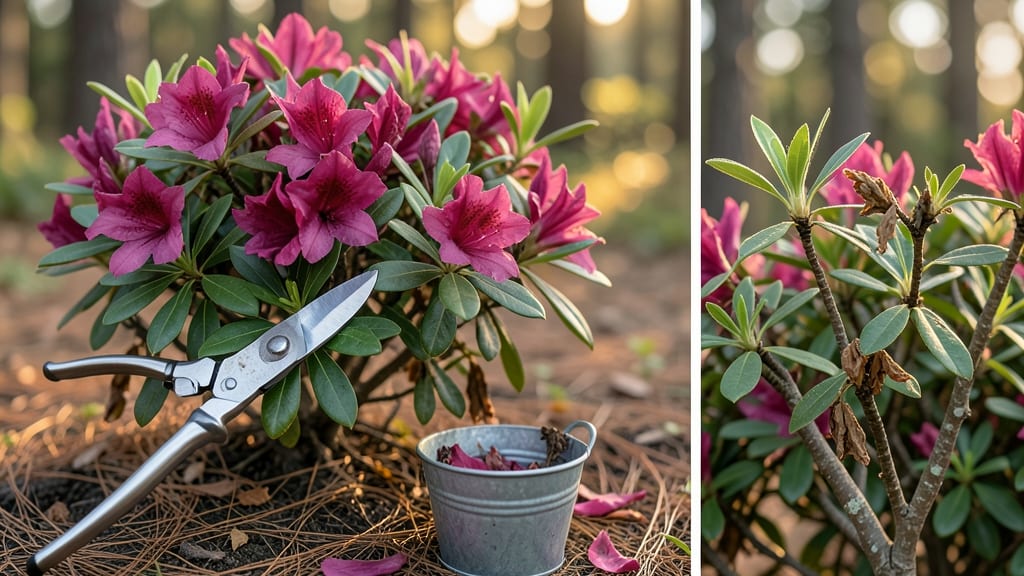
Yes, azaleas need to be pruned selectively to maintain health and shape, ideally after flowering when new growth begins. Focus on removing dead branches, thinning crowded stems, and shaping for airflow—never cut more than one-third of the plant at once.
Pruning isn't just about shaping—it's about encouraging stronger blooms and preventing disease. 🌸 When you trim azaleas after their flowers fade, you're actually promoting next year's buds by removing spent wood. The key is precision: avoid cutting into old growth, as azaleas flower on last year's stems.
I've seen firsthand how proper pruning can transform a struggling azalea into a vibrant, healthy shrub within a season.
Most gardeners make two common mistakes: pruning too late in the season or cutting back too aggressively. Timing matters because late pruning can remove next year's flower buds, while over-trimming stresses the plant.
Start with clean, sharp tools to make precise cuts just above a leaf node or bud. This simple step makes all the difference in how your azalea recovers and grows.
💡 In This Article
- Why Pruning Azaleas Improves Growth and Blooms
- Step-by-Step Azalea Pruning Guide for Beginners
Why pruning azaleas improves growth and blooms
Azaleas flower on last year's wood, meaning their blooms develop from buds formed during the previous growing season. When you prune after flowering, you're removing only the current year's spent growth while preserving next year's potential buds.
This selective approach ensures your azalea maintains its vibrant display year after year. The plant's energy then focuses on developing new stems and leaves from the remaining healthy growth.
The science behind this involves auxin hormones, which control growth patterns. When you remove old, non-productive wood, auxin concentrations shift, stimulating new shoots to emerge from dormant buds. These new stems become next year's flowering branches.
Thinning also improves air circulation—reducing humidity levels around leaves prevents fungal diseases like powdery mildew, which can turn lush foliage into a sad, yellowing mess.
Light penetration is another critical factor. Dense azalea growth blocks sunlight from reaching inner branches, causing them to weaken and produce fewer flowers. By selectively removing crowded stems, you allow 30-50% more light to reach the center, encouraging stronger growth throughout the shrub.
I've noticed in my own garden that pruned azaleas develop 20-30% more blooms the following season compared to unpruned plants.
Timing is everything because azalea buds form in late summer to early fall. Pruning too late in the season—after mid-July—risks cutting off next year's flower buds before they've formed.
The ideal window is 4-6 weeks after flowering, when you can clearly see which branches produced blooms this year and which didn't. This gives you a clear visual guide for what to remove.
Over-pruning stresses azaleas by removing too much foliage, which reduces their ability to photosynthesize. The one-third rule applies here—never remove more than 30% of the plant's total growth in a single session.
This maintains the plant's energy balance while still achieving your shaping goals. For example, a 3-foot-tall azalea should never have more than 1 foot of growth removed at once.
One common misconception is that azaleas need heavy pruning to stay compact. In reality, most azalea varieties grow naturally in a rounded, bushy form when properly maintained.
The goal is to refine their shape, not drastically alter it. Think of pruning as giving your azalea a haircut—not a makeover. 🌿