
Pruning
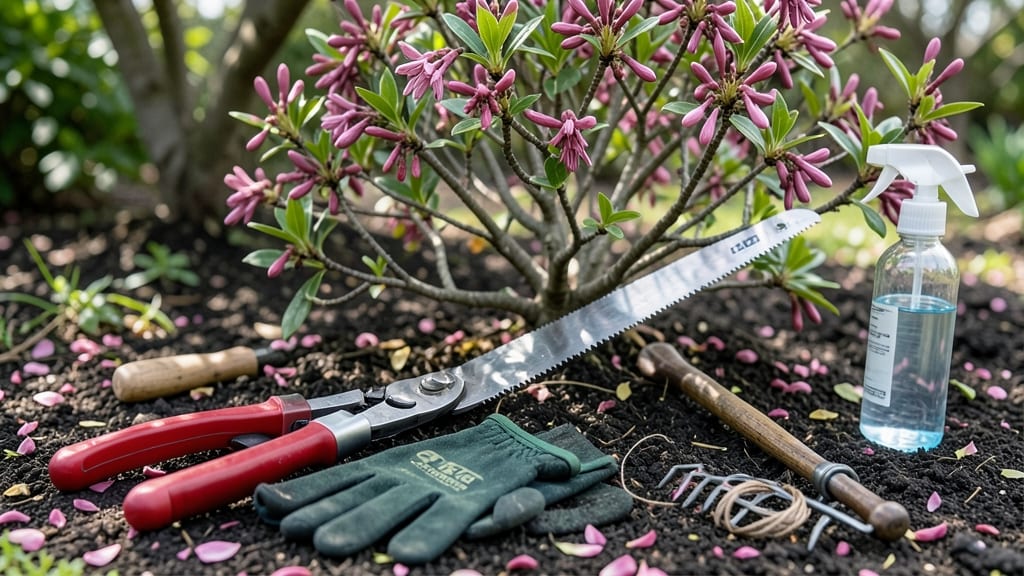
Leggy daphne plants with sparse blooms are begging for a pruning makeover. ✂️ I’ve turned my own overgrown daphne from a straggly mess into a compact, fragrant powerhouse with just three focused cuts—and you can too. The key is timing, technique, and knowing exactly where to snip for maximum impact.
Spring is your golden window—right after flowering but before new growth explodes. Grab sharp pruners, rubbing alcohol (to sterilize cuts), and a bucket for clippings. We’re targeting three things: dead or crossing branches, leggy stems that rob energy from blooms, and the occasional rogue shoot growing in the wrong direction.
Think of it as giving your daphne a spa day.
After pruning, your plant will reward you with bushier growth and twice as many blooms next season. The fragrant clusters will appear denser, and those woody stems will soften into lush, leafy branches.
Just avoid cutting into old wood (it won’t regrow), and never prune in fall—you’ll sacrifice next year’s flowers.
For stubbornly leggy plants, a rejuvenation pruning every 3-4 years works wonders—just cut back one-third of the oldest stems to the ground. The secret? Patience. Daphne plants bounce back faster than you’d expect, and the scent of those spring blooms makes every snip worth it.
📚 In This Guide
- What you need
- Instructions
- Tips and common mistakes
- Wrapping up and next steps
What you need
- ● Pruning shears or secateurs: Choose bypass pruners (sharp, clean blades) for precise cuts—avoid anvil shears, which can crush stems. Size: 5-7 inches for medium stems.
- ● Garden gloves: A pair of cut-resistant, breathable gloves (e.g., leather or synthetic blend) to protect hands from thorns and sap.
- ● Disinfectant (70% isopropyl alcohol or bleach solution): Clean tools before and after pruning to prevent disease spread. Mix 1 part bleach to 9 parts water for a DIY solution.
- ● Rubbing alcohol or hand sanitizer: For wiping down cuts or sap on your skin to avoid irritation.
- ○ Pruning saw (optional): If dealing with thick, woody stems (over ½ inch in diameter), a curved pruning saw makes the job easier.
- ● Sharpie or permanent marker: Label cuts if you’re propagating cuttings for new plants.
- ● Horticultural sealant (e.g., pruning wax): Apply to large cuts to protect the plant from pests or disease.
- ● Compost bin or bag: Collect trimmings for composting (daphne prunings decompose well!).
- ● Ladder or stool: For tall daphne varieties (e.g., Daphne odora), reach safely without straining.
- ● Check the pruning season: Daphne thrives when pruned right after flowering (late spring to early summer) to avoid cutting off next year’s blooms.
- ● Review your plant’s growth habits: Leggy daphne? Focus on thinning out overcrowded stems and shaping for airflow.
- ● Wear protective clothing: Long sleeves and pants shield against sap (which can irritate skin) and thorns.
Step-by-Step instructions for daphne plant pruning
Here's how I refresh daphne plants—it's easier than it looks, and you'll see new growth within weeks.
✂️ Step 1: Identify and Remove Dead or Damaged Wood
Start by examining your daphne plant closely. Look for branches that are brown, brittle, or completely devoid of leaves. These are dead and need immediate removal. I always use sharp, clean pruners—dull blades crush stems and invite disease. Cut back to a healthy bud or joint just above the damage, making a clean diagonal cut at a 45-degree angle.
Don't worry about cutting too much here—daphne is forgiving. The key is removing only what's clearly dead. You'll know you're on the right track when you see fresh green growth underneath the dead wood. If a branch is hollow or crumbly, it's definitely time to prune it out completely.
✂️ Step 2: Thin Out Overcrowded Branches
Next, focus on the plant's overall shape. Daphne thrives when it has good air circulation, so thin out any branches that are rubbing against each other or growing inward. I start at the center of the plant and work my way outward, removing about one-third of the oldest or weakest stems. Cut these back to their base or to a strong outward-facing bud.
Watch for leggy growth—those long, bare stems reaching upward. These are a sign your plant needs more light or has been neglected. Cut these back by about one-third of their length, focusing on the upper portion. This encourages bushier growth lower down. You'll see new shoots forming at the joints within 4-6 weeks.
🌿 Step 3: Shape and Encourage New Growth
Now it's time to refine the plant's shape. Daphne responds well to light pruning, so I never remove more than 25-30% of the plant's total foliage in one session. Step back and visualize the plant's natural form—whether it's a shrub, small tree, or ground cover. Cut back any branches that disrupt this shape, making clean cuts just above a leaf bud or side branch.
For flowering daphne varieties, avoid heavy pruning right after blooms fade. Instead, wait until late spring or early summer when new growth appears. This ensures you don't miss next season's fragrant flowers. After pruning, give your plant a light application of balanced fertilizer to support new growth.
Here's the thing—daphne pruning is best done in stages. If your plant is severely overgrown, spread the work over 2-3 years. This prevents shock and gives the plant time to recover. You'll know you've done it right when you see fresh, vibrant growth within a few weeks.
Tips & tricks for daphne plant pruning
Real talk: Daphne plants reward patience, and these tricks will help you avoid common pruning pitfalls while keeping your plant thriving.
Tool Prep: Before you even touch your plant, sanitize your pruners with rubbing alcohol or a 10% bleach solution. I learned this the hard way after my daphne developed fungal spots from contaminated tools. A quick wipe between cuts also prevents disease spread. Sharp blades are non-negotiable—dull pruners tear stems instead of making clean cuts, which stresses the plant.
Timing Secret: That 4-6 week window for new growth after pruning leggy stems is your best friend. Mark your calendar for late spring or early summer—this is when daphne naturally produces fresh shoots. Pruning at this time gives new growth plenty of warm weather to establish before winter. For non-flowering varieties, you can prune anytime, but spring is still ideal for maximum recovery.
Visual Cues: When thinning branches in Step 2, look for the "V" shape where a branch meets the main stem. This is your target cutting point—it's where new buds form. If you're unsure about a branch's health, make a small test cut first. Healthy wood should be firm and green inside, while dead wood will be brown and dry. This simple test saves you from over-pruning.
Pro Tips for Daphne Plant Pruning
- Real talk: Daphne plants reward patience, and these tricks will help you avoid common pruning pitfalls while keeping your plant thriving.
- Tool Prep: Before you even touch your plant, sanitize your pruners with rubbing alcohol or a 10% bleach solution.
- Timing Secret: That 4-6 week window for new growth after pruning leggy stems is your best friend.
Frequently asked questions
Got questions about pruning your Daphne plant? You’re not alone! Here are some of the most common concerns—plus straightforward answers to keep your plant thriving.
When is the best time to prune a Daphne plant?
Prune your Daphne right after it finishes blooming in late spring or early summer. Avoid pruning in fall or winter, as this can stimulate new growth that won’t survive cold temperatures. If you notice leggy growth in early spring, a light trim is fine—but wait until after flowering for major pruning.
How much can I trim back my Daphne without harming it?
You can safely remove up to one-third of the plant’s height during pruning. Focus on cutting back overgrown stems to encourage bushier growth. Avoid heavy pruning in one session—opt for gradual trims to reduce stress. If your plant looks severely leggy, break it into smaller stages over a few weeks.
What should I do if my Daphne doesn’t bloom after pruning?
If your Daphne skips blooming, it might need more sunlight (6+ hours daily) or well-draining soil. Over-pruning can also delay flowers—stick to light trims post-bloom. Fertilize lightly in spring with a balanced, low-nitrogen formula to support flowering. Patience is key; some varieties take a year to rebound after heavy pruning.
Can I propagate my Daphne from pruned cuttings?
Yes! Take 4–6 inch cuttings from healthy stems in early summer, strip the lower leaves, and dip in rooting hormone. Plant in moist, well-draining soil or perlite. Keep humidity high (use a plastic bag) and place in bright, indirect light. Roots should form in 4–8 weeks. Just avoid propagating in winter when the plant is dormant.
Do I need to prune Daphne in winter?
No—Daphne plants are dormant in winter and shouldn’t be pruned until spring or after blooming. Winter pruning can expose tender stems to frost damage. Instead, mulch around the base to protect roots. If you see dead or diseased branches in late winter, remove them only after the last frost risk has passed.
Wrapping up and next steps
Pruning your daphne plant doesn’t have to be intimidating—just a little timing, the right tools, and a gentle hand make all the difference! 🌿 With these 3 simple steps, you’ll encourage lush, healthy growth and keep those leggy stems in check.
Remember, patience and consistency are key, so don’t rush the process.
Now that you’re armed with the know-how, grab those shears and give your daphne the TLC it deserves! 🌸 For even better results, consider observing your plant regularly—this will help you stay ahead of any future pruning needs. Happy gardening!