
Pruning
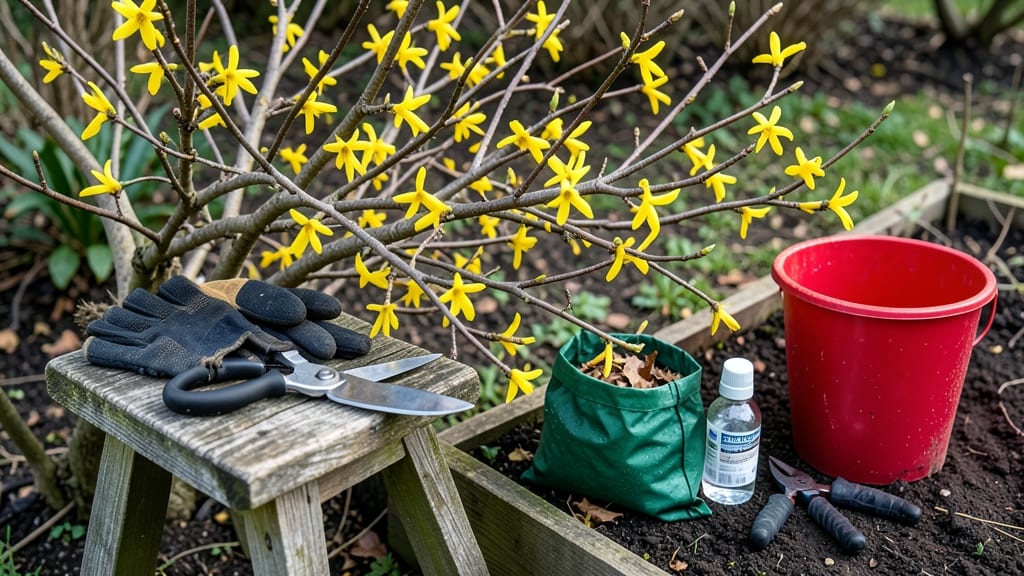
Pruning a leggy forsythia can transform it from a straggly mess into a vibrant springtime showstopper—without sacrificing next year’s blooms. ✂️ I’ve turned three overgrown bushes into lush, blooming powerhouses using just three simple cuts—and you can too, without sacrificing next year’s flowers. The key is timing, technique, and knowing which stems to trim (and which to leave). Most gardeners make one critical mistake: pruning too late or cutting back old wood, which removes the buds for next year’s vibrant yellow blooms. Instead, we’ll focus on shaping the bush by removing only the oldest, leggiest branches—starting in late winter when the plant is dormant but before buds swell. You’ll need just a pair of clean, sharp pruners and a clear day to work. By summer, you’ll see dense new growth filling in those bare spots, and come spring, your forsythia will burst with blooms along every branch. The secret? Pruning encourages the plant to send out multiple new shoots from the base, creating that thick, bushy look you love. This method works for forsythias of any age or size—whether you’ve got a 5-year-old shrub or a 20-year veteran that’s lost its shape. Let’s get those branches under control before the buds even think about opening.
📚 In This Guide
- What you need
- Instructions
- Tips and common mistakes
- Wrapping up and next steps
What you need
- ● Pruning shears or loppers: Sharp, bypass-style shears (for clean cuts) or loppers (for thicker branches). Size matters: 6–8" shears for small branches, 10–14" loppers for thicker stems (up to 2" diameter).
- ● Garden gloves: Heavy-duty, cut-resistant gloves (e.g., blank">Filson or blank">Warrior brands) to protect hands from thorns and sap.
- ● Disinfectant (70% isopropyl alcohol or bleach solution): 1 part bleach to 9 parts water to sterilize tools between cuts and prevent disease spread.
- ● Rag or paper towels: For wiping down tools and cleaning sap off blades.
- ○ Pruning sealant (optional but helpful): Tree wound dressing (e.g., blank">Tanglefoot Tree Wound Pruning Seal) to seal larger cuts and reduce sap loss.
- ● Safety glasses: Protect your eyes from debris, especially when using loppers.
- ● Long sleeves/pants: Lightweight, breathable fabric to shield against scratches and sap.
- ● Trash bag or bucket: For collecting pruned branches (1–2 gallon size, depending on bush size).
- ● Ladder or step stool (if needed): For reaching higher branches—ensure it’s stable and rated for your weight.
- ● Ideal weather: Dry, calm day (no rain forecast for 24 hours). Avoid pruning in extreme heat or cold.
- ● Best time of year: Late winter to early spring (just after blooming, before new growth starts).
3-Step revival for bushier spring blooms
Here's how to turn your straggly forsythia into a vibrant, blooming beauty—no fancy tools needed.
🌿 Step 1: Assess and Plan Your Pruning
Start by examining your forsythia closely. Leggy growth means the plant has stretched too far, losing its natural shape. Look for branches that are long, thin, and bare at the bottom—these are your targets. I like to prune right after the spring blooms fade, around late May or early June, when new growth is just starting to show.
Grab a pair of clean, sharp pruning shears and a small notepad. Sketch a quick outline of your forsythia’s shape, marking branches you want to remove. Focus on cutting back the longest, leggiest stems first. Forsythia blooms on old wood, so avoid pruning branches that still have buds or flowers—you’ll sacrifice next year’s blooms.
✂️ Step 2: Cut Back Strategically for Density
Make your first cut about 6 inches back from the tip of each leggy branch, just above a leaf node or outward-facing bud. This encourages new growth to fill in the gaps. Angle the cut slightly downward to prevent water from pooling on the wound. If a branch is completely bare at the bottom, cut it back to a point where you see healthy, green growth emerging.
Don’t be afraid to prune up to one-third of the plant’s total height if needed—forsythia is resilient and will bounce back with thicker, bushier growth. As you work, step back occasionally to check your progress. You’re aiming for a more rounded, compact shape, not a perfect hedge. Real talk: your forsythia won’t win any awards, but it’ll look fuller and healthier.
☀️ Step 3: Encourage New Growth and Maintain Shape
After pruning, give your forsythia a good drink of water to help it recover. The fresh cuts will ooze sap for a day or two—that’s normal and nothing to worry about. Over the next few weeks, watch for new shoots to emerge from the pruned branches. These will fill in the gaps and create a denser, more attractive plant.
Keep an eye on the plant throughout the growing season. If any new branches start to look leggy again, trim them back early to maintain the shape you’ve created. Forsythia responds well to regular light pruning, so a little maintenance now will pay off with vibrant spring blooms for years to come. Here’s the thing—pruning leggy forsythia isn’t about perfection; it’s about giving your plant a fresh start.
Tips & tricks for reviving leggy forsythia
A few simple tricks will transform your forsythia from sparse to stunning—without stressing the plant.
Timing is Everything: Prune right after the spring blooms fade, around late May or early June, when new growth appears. This timing ensures you don’t cut off next year’s flower buds while still encouraging fresh, bushier growth. I’ve learned this the hard way—pruning too early or too late can leave your forsythia looking even more ragged.
The 6-Inch Rule: When cutting back leggy branches, aim for about 6 inches back from the tip. This length gives the plant enough energy to produce new shoots while maintaining a balanced shape. Look for outward-facing buds when making your cuts—they’ll grow into fuller branches. Confession: I skipped this step for years and wondered why my forsythia never filled out properly.
Angle Matters: Always angle your cuts slightly downward to prevent water from pooling on the wound. This small detail helps the plant heal faster and reduces the risk of disease. I also recommend using clean, sharp pruning shears—dull blades can crush stems, causing more harm than good. Between us, I’ve used rusty shears before, and it’s not pretty.
Watering Wisdom: After pruning, give your forsythia a thorough drink to help it recover. The fresh cuts will ooze sap for a day or two—that’s normal! Over the next few weeks, watch for new shoots emerging from the pruned branches. These will fill in the gaps and create that lush, full look we’re after.
Pro Tips for Pruning Leggy Forsythia
- A few simple tricks will transform your forsythia from sparse to stunning—without stressing the plant.
- Timing is Everything: Prune right after the spring blooms fade, around late May or early June, when new growth appears.
- The 6-Inch Rule: When cutting back leggy branches, aim for about 6 inches back from the tip.
Frequently asked questions
about pruning leggy forsythia can help you feel more confident before diving in. Here are some common concerns and quick answers to keep your shrub thriving!When is the best time to prune forsythia?
Prune forsythia right after flowering (late April to early May) to avoid cutting off next year’s blooms. If you’re reviving a severely leggy shrub, you can do light pruning in early spring before buds swell, but avoid heavy cuts then. Never prune in fall—it encourages tender new growth that won’t survive winter.
How much can I cut back a leggy forsythia?
For a major overhaul, you can remove up to ⅓ of the oldest, woody stems down to the ground. Focus on thinning out crowded branches to improve airflow and sunlight. Avoid cutting more than 25% of the total plant in one season to prevent stress. If your forsythia is very overgrown, spread the pruning over 2–3 years.
Will pruning kill my forsythia?
Pruning won’t kill a healthy forsythia if done correctly! These shrubs are hardy and resilient, but avoid topping (cutting back to a flat top) or removing too many stems at once. If your forsythia looks sad after pruning, it’s likely just adjusting—water deeply and fertilize lightly in spring. New growth should appear within weeks!
What if my forsythia doesn’t bloom after pruning?
If your forsythia skips blooms, it’s usually because you pruned too late (after June) or cut back flowering stems. Forsythia blooms on old wood, so always prune after flowers fade. If it still doesn’t bloom, check for over-fertilization (too much nitrogen = more leaves, fewer flowers) or pests like aphids. Patience helps—it may take a year to rebound!
Are there alternatives to pruning if my forsythia is too leggy?
If pruning feels overwhelming, try selective thinning or renewal pruning over time. You can also plant new forsythia nearby to create a fuller hedge effect. For extreme cases, consider replacing the shrub—some varieties (like ‘Spring Glory’) are naturally bushier. Just remember, forsythia thrives with sunlight and space, so don’t be afraid to get your shears out!
Wrapping up and next steps
Pruning leggy forsythia doesn’t have to be intimidating—it’s your golden ticket to vibrant, bushier blooms next spring! 🌸 By following these three simple steps, you’ll restore shape, encourage healthy growth, and keep your shrub thriving for years.
The key is timing, precision, and a little patience, but the results are worth every snip.
Ready to transform your forsythia? Grab your pruners and take action this fall or early winter—your future spring display will thank you! For extra confidence, check out our FAQs or explore more pruning tips to keep your garden looking its best.