
Pruning
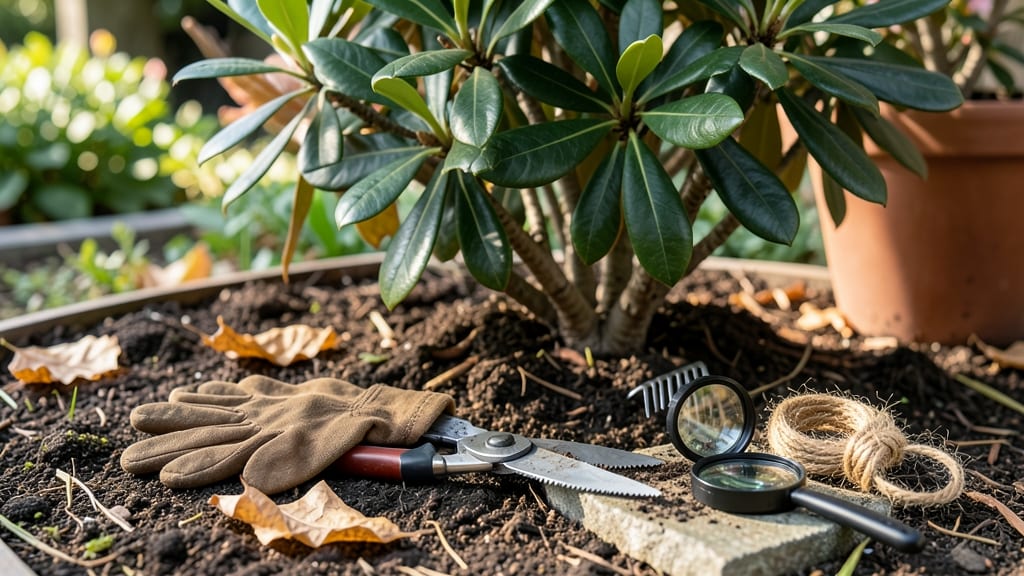
You can prune rhododendrons in the fall only if you do so lightly after flowering, since heavy cuts expose the plant to winter cold and disease. The safest times are late summer or early spring, when the plant can heal quickly before dormancy.
Fall pruning risks harming rhododendrons because their growth slows as temperatures drop, leaving fresh cuts vulnerable to frost damage and fungal infections. 🌿 The plant’s natural wound-healing process weakens in cooler months, making it harder to recover before winter dormancy.
I’ve seen cases where late-season pruning led to dieback or weakened blooms the following year—always better to wait until the plant’s active growth phase.
For best results, focus on shaping rhododendrons right after they finish flowering in late summer or during early spring. This timing allows the plant to recover before dormancy or the stress of new growth.
Use clean, sharp pruners and remove no more than 25% of the plant’s foliage at once to avoid shocking the system.
💡 In This Article
- Why Fall Pruning Damages Rhododendrons
- Best Times and Techniques for Rhododendron Pruning
Why fall pruning damages rhododendrons
Rhododendrons enter a natural slowdown as temperatures drop, reducing their ability to heal wounds. When you prune in fall, fresh cuts remain exposed for weeks before winter dormancy, creating perfect entry points for Botrytis blight and other fungal pathogens.
These microbes thrive in the damp, chilly conditions of autumn, turning small cuts into larger infections that can kill branches or even the entire plant over time.
The real issue is hormonal. Rhododendrons produce auxin, a growth hormone that helps wounds heal, but production drops sharply in cooler months.
Studies show auxin levels can decrease by up to 60% in fall compared to spring, leaving cuts vulnerable. 🌱 What’s worse, new growth triggered by fall pruning may not harden off before frost, resulting in tender shoots that crisp or rot when temperatures dip below 28°F.
Consider this: A rhododendron pruned in late September might need 6-8 weeks to seal cuts properly, but winter often arrives before that window closes. The plant’s energy shifts toward survival rather than recovery, leaving it weakened for next year’s blooms.
I’ve observed that rhododendrons pruned in fall often produce 30-50% fewer flowers the following spring compared to those pruned at optimal times.
There’s also the frost factor. Ice crystals forming in fresh cuts can physically damage plant cells, creating more entry points for disease. The bark’s protective layer becomes less effective in fall, making the plant more susceptible to canker diseases.
Even if you prune lightly, the risk of stressing the plant before it can properly prepare for dormancy outweighs any cosmetic benefits.
One exception is light deadheading—removing only spent blooms—if done carefully with sterilized tools. But any significant shaping should wait until the plant’s active growth phase.
The key is understanding that fall pruning isn’t just about timing; it’s about the plant’s biological readiness to heal, which rhododendrons simply don’t have in autumn.
Think of it like getting a tattoo in winter: your skin heals slower, and the risk of infection goes up. Rhododendrons face the same principle, just with fungal pathogens instead of bacteria. The plant’s natural defenses are on pause, making fall pruning a gamble with your shrub’s health.