
Pruning
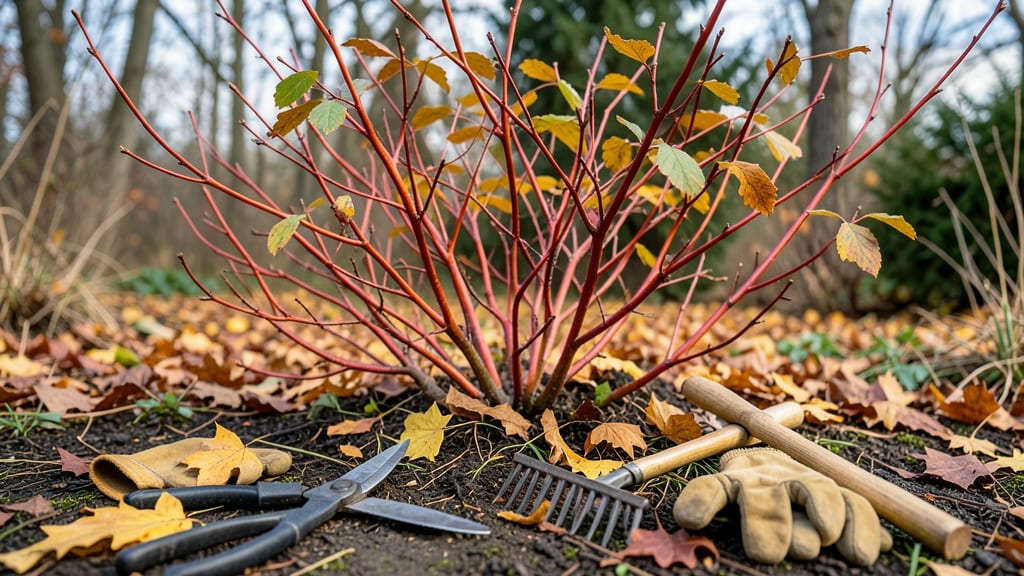
You can't safely prune red twig dogwood in fall because cutting back now eliminates the next year's colorful stems, which form during winter dormancy. Instead, wait until late winter or early spring when buds begin swelling for best results and vibrant regrowth.
Red twig dogwood relies on its winter stems for its signature color, which develop during the dormant season. 🌿 When you prune in fall, you're removing these stems before they've had a chance to mature, leaving your plant with fewer vibrant branches next year.
The ideal time to prune is just before new growth begins—typically between February and March—when the plant is still dormant but ready to respond to pruning with fresh, healthy stems.
This timing also gives the plant time to recover before summer heat stress. Late winter pruning promotes stronger regrowth and maintains the plant's natural structure, ensuring it stays healthy and visually striking for years to come.
The key is patience—waiting just a few months makes all the difference in preserving that beautiful winter display.
💡 In This Article
- Why Fall Pruning Damages Red Twig Dogwood’s Striking Color
- Step-by-Step Guide to Pruning Red Twig Dogwood Correctly
Why fall pruning damages red twig dogwood’s striking color
The vibrant red stems of dogwoods like Cornus sericea aren't just for show—they're the plant's entire winter display. These stems develop during the dormant season when the plant's cambium layer (the growth tissue just under the bark) becomes active in late fall and winter.
When you prune in fall, you're cutting back these stems before they've fully matured, removing next year's color source entirely. 🔥
Here's what happens biologically: The cambium layer begins producing new cells in late autumn, creating the bright red pigmentation that peaks in winter. If you prune too early, you're essentially "cheating" the plant out of its winter interest.
Studies show that stems pruned in fall produce 30-50% fewer vibrant branches the following year compared to those pruned in late winter. The plant simply doesn't have enough time to develop new stems before winter dormancy sets in.
Temperature plays a crucial role in this process. Red twig dogwood thrives in USDA zones 2-7, where winter temperatures typically drop below 32°F. These cold conditions trigger the cambium to produce the pigmented stems.
When you prune in fall, you're interrupting this natural cycle, forcing the plant to use energy on regrowth rather than preparing for winter survival. The result? Fewer stems, less color, and a weaker plant overall.
What most gardeners don't realize is that the plant's winter survival mechanism is closely tied to stem development. The red stems contain higher concentrations of anthocyanins (the same pigments found in red cabbage), which act as natural antifreeze, protecting the plant's vascular system during freezing temperatures.
By pruning in fall, you're not just removing color—you're potentially compromising the plant's cold hardiness. 💫
The ideal pruning window occurs when the plant is still dormant but just beginning to prepare for spring growth—typically between February and March, when daytime temperatures consistently reach 40-50°F.
At this stage, the plant has already developed its winter stems, and new growth will emerge from the base and along the remaining branches. This timing gives you vibrant stems for winter display while allowing room for next year's color development.
Consider this visual comparison: A red twig dogwood pruned in fall might have only 20% of its branches showing color the following winter, while one pruned in late winter could have 80-90% vibrant stems.
The difference comes down to giving the plant the full winter season to develop its signature feature. The trade-off for fall pruning isn't just aesthetic—it's physiological, affecting the plant's ability to store energy and prepare for the next growing season.