
Pruning
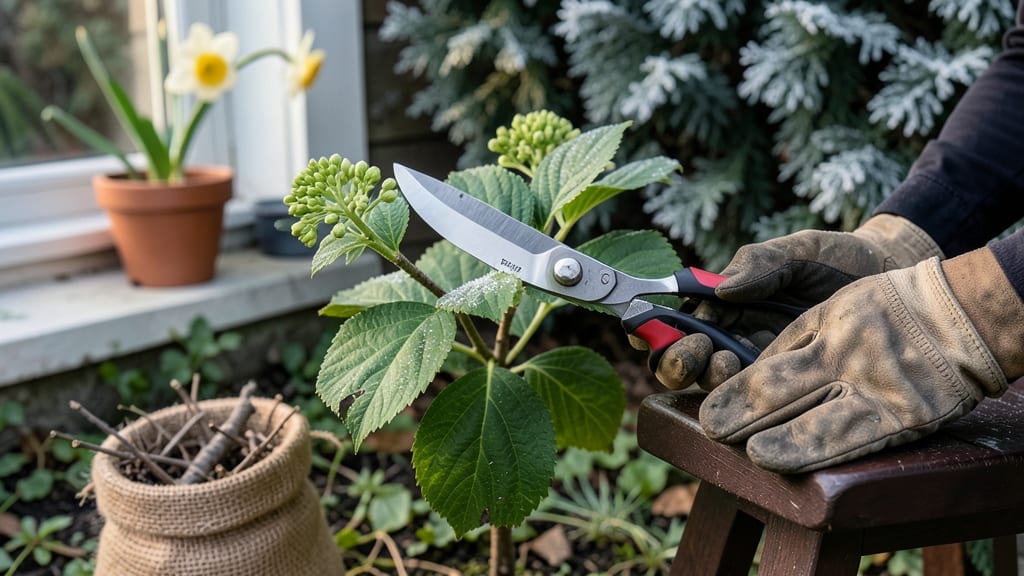
Pruning hydrangea plants at the right time is the secret to stronger blooms and healthier growth.
If you’ve ever waited until summer to trim your 🌸 hydrangeas only to end up with sparse flowers—or worse, no blooms at all—you’re not alone. The best time to prune hydrangeas is actually in late winter, when the plant is dormant but just waking up.
This small shift in timing can transform your garden from average to showstopping.
Why does timing matter so much? Because different hydrangea types bloom on old wood, new wood, or both—and cutting at the wrong time can mean sacrificing next season’s flowers.
Late winter pruning (typically February or March in most climates) gives you the perfect balance: enough time for new growth before summer heat sets in, without risking damage to next year’s buds.
In this guide, I’ll walk you through the exact steps for late winter pruning, including which tools to use, how to identify dead wood, and how to shape your hydrangeas for maximum blooms.
Plus, I’ll cover common mistakes and how to fix them—so you can enjoy lush, vibrant flowers all summer long.
When to prune hydrangeas for maximum blooms: late winter timing explained
Timing your hydrangea pruning in late winter (February–March) is the secret to unlocking next year's most vibrant blooms. This dormant season window gives your plants a head start on new growth while avoiding the critical mistake of cutting back too early.
Different hydrangea varieties bloom on old wood, new wood, or both, so understanding their unique needs is key to avoiding a bare-bush summer.
Pruning at the right time isn't just about when—it's about how. A sharp cut in late winter removes dead wood, shapes the plant for better airflow, and encourages strong stems that will support heavier summer blooms.
But wait too long, and you risk cutting back next year's flower buds before they've formed. The science behind late winter pruning lies in the plant's dormancy cycle—when it's resting but not yet actively growing.
Let's break down the optimal pruning timeline for each hydrangea type. Whether you're growing mophead, panicle, oakleaf, or smooth hydrangeas, knowing their specific needs will ensure you're not accidentally pruning away next year's flowers. The comparison below shows exactly when and how to prune each variety for maximum impact.
| Hydrangea Type | Bloom Time | Best Pruning Time | What to Cut | Key Notes |
|---|---|---|---|---|
| Mophead (Bigleaf) | Late spring/early summer | Late winter (Feb–March) | Dead wood + 1/3 of oldest stems | Blooms on old wood—never cut back more than 1/3 |
| Panicle | Mid to late summer | Late winter (Feb–March) | All stems down to strong buds | Blooms on new wood—can be pruned harder |
| Oakleaf | Late summer/fall | Late winter (Feb–March) | Dead wood + shape lightly | Blooms on old and new wood—prune carefully |
| Smooth (Annabelle) | Mid to late summer | Late winter (Feb–March) | All stems down to 6-12 inches | Blooms on new wood—rejuvenates with hard pruning |
The late winter window (February–March) is ideal because it allows you to prune while the plant is still dormant but before new growth begins. This timing ensures you're not accidentally removing next year's flower buds, which form in late summer and fall.
For mophead hydrangeas, which bloom on old wood, late winter is your only chance to shape the plant without sacrificing flowers.
For panicle and smooth hydrangeas, which bloom on new wood, late winter pruning is even more critical. These varieties thrive when pruned back hard, as it encourages vigorous new growth that will produce larger, more abundant blooms.
Think of it as giving your plant a fresh start—like a haircut that reveals healthier, fuller hair underneath.
One of the biggest pruning mistakes is cutting back hydrangeas in early spring or fall. Early spring pruning can stimulate new growth that gets damaged by late frosts, while fall pruning removes next year's flower buds before they've formed.
Always wait until late winter when the plant is fully dormant but before the first signs of new growth appear.
To check if your hydrangea is ready for pruning, look for dormant buds along the stems. These small, plump swellings indicate where new growth will emerge. If you see green shoots or leaves, it's too late—wait until next year's late winter window.
For most climates, this falls between mid-February and mid-March, but adjust based on your last frost date.
Regional adjustments matter! In warmer climates (Zones 8-10), prune in January–February to avoid encouraging early growth that could be damaged by unexpected cold snaps. In colder climates (Zones 3-6), wait until March when the ground is workable but before buds swell.
Always align your pruning with your local frost dates to maximize success.
Pro tip: Mark your calendar now for February 15–March 15 as your target pruning window. Set a reminder to avoid missing this critical task. A well-timed prune can transform a leggy, overgrown hydrangea into a bushy, bloom-filled powerhouse by next summer.
The effort pays off in dramatic, vibrant flowers that turn heads in your garden.
Remember, the goal isn't just to prune—it's to prune strategically. Shape your hydrangea to allow sunlight and air to reach the center, which reduces disease risk and encourages stronger growth. Aim for an open, vase-like shape that lets light penetrate to the inner branches where future blooms will form.
Step-by-step late winter pruning guide: tools, techniques, and what to cut
Late winter is the perfect window to prune hydrangeas because plants are dormant but not yet actively growing. This timing minimizes stress and ensures your shrubs burst into vibrant blooms come summer.
Whether you have mophead, panicle, or oakleaf varieties, the process is surprisingly simple once you know the key steps.
Before grabbing your shears, gather the right tools—clean, sharp bypass pruners for small branches and loppers for thicker stems. You’ll also need rubbing alcohol to sterilize tools between cuts and gardening gloves to protect your hands from thorns. Pro tip: Disinfecting tools prevents spreading diseases like powdery mildew.
- 1
- 2
- 3
- 4
- 5
After pruning, resist the urge to over-fertilize—hydrangeas thrive on moderate feeding. Focus on watering deeply once a week to encourage root growth. If your hydrangeas are reblooming varieties like 'Endless Summer', avoid heavy pruning in late winter to preserve next year’s flower buds.
Watch for new growth in early spring as a sign your pruning paid off. If you notice yellowing leaves or stunted growth, it may mean you pruned too aggressively. Adjust next year by cutting back only 10–20% of the plant to maintain balance.
With these steps, your hydrangeas will reward you with larger blooms and healthier foliage all season long. Happy pruning—your garden will thank you! 🌸✂️