
Pruning
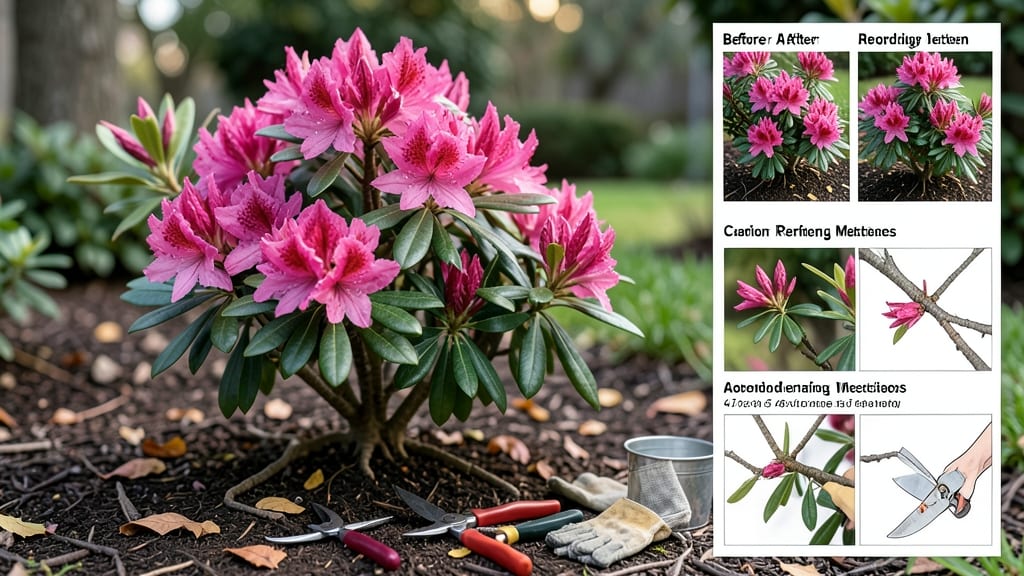
Your azaleas could be blooming twice as much if you avoid these five deadly pruning mistakes. 🌸 I’ve seen stunning azalea bushes turn into sad, leggy shadows after just one wrong cut—usually because gardeners don’t realize azaleas bloom on old wood, not new growth.
The timing, the angle, and even when you prune make all the difference between a showstopper and a disappointment.
Most people over-prune in spring, stripping away next year’s flowers before they even form. Others cut too late, missing the 3-4 week window after blooming when the plant is still storing energy for new buds. And don’t even get me started on shearing—azaleas hate it.
The result? Fewer blooms, weaker stems, and a plant that struggles to recover. But here’s the good news: fixing these mistakes is easier than you think.
By pruning at the right time—right after blooms fade—you’ll encourage vibrant, healthy growth and fuller blooms next season. We’re talking lush, dark-green foliage and clusters of flowers so dense they’ll make your neighbors jealous.
The key is working with the plant’s natural rhythm, not against it. And yes, even a black thumb can master this with a few simple rules.
We’ll cover the exact cuts to avoid, the best tools to use, and how to shape your azaleas for maximum impact—without sacrificing next year’s blooms. Trust me, your bushes will thank you.
Root Causes Behind Poor Pruning
Azaleas are finicky about how you handle their branches, and even small pruning errors can trigger big problems—like stunted blooms, leggy growth, or worse. Understanding why these mistakes happen helps you avoid them.
Below, we break down the science and habits that lead to pruning pitfalls, so you can prune with precision next time.
Azaleas are late-winter dormant bloomers, meaning their flower buds form in late summer and early fall—but they only open in spring. Cutting at the wrong time disrupts this natural cycle.
- ❌ Spring pruning (after blooms): Triggers new growth from leaf buds (which produce foliage, not flowers). Since azaleas bloom on old wood, you’re essentially telling the plant, "Skip the flowers this year!"
- ❌ Mid-summer pruning: Encourages tender, weak growth that won’t survive winter. Azaleas need time to harden off before cold snaps.
- ✅ Correct timing: Prune right after flowering (late spring) but before new buds form. For spring-blooming varieties, aim for June–July in most climates.
💡 Pro tip: If your azalea blooms in fall (like Enkianthus hybrids), prune in early spring instead. Always check your specific variety!
Azaleas are light-pruners—they thrive on gentle shaping, not drastic haircuts. Over-pruning removes too much foliage, which the plant relies on for photosynthesis. Here’s what happens when you go overboard:
- ❌ Removing >1/3 of the plant: Stops flower bud formation for 1–2 years while the plant recovers. Azaleas store energy in their roots, and heavy cuts deplete that reserve.
- ❌ Heading back (cutting into old wood): Encourages suckers (weak, water-sprout-like growth) instead of strong, flowering branches.
- ✅ Rule of thumb: Never remove more than 25% of the plant in one session. Focus on thinning out crowded branches (cutting back to the base) rather than shearing.
🌡️ Science note: Azaleas have terminal buds (at branch tips) that control growth. Cutting these off forces the plant to redirect energy to new buds—often at the expense of flowers.
Dull, dirty, or improperly used tools can cause more damage than the pruning itself. Here’s how poor technique backfires:
| Mistake | Why It Fails | Fix It |
|---|---|---|
| Shearing (like a hedge) | Creates a dense, bushy look but removes flower buds and encourages weak growth. | Use hand pruners for precision cuts; avoid power shears. |
| Leaving stubs | Stubs never heal and invite disease (like Phytophthora root rot). | Cut just above a bud or branch collar (the swollen area where leaves meet the stem). |
| Unsterilized tools | Spreads bacterial leaf spot or powdery mildew between cuts. | Wipe blades with rubbing alcohol between plants. |
🔪 Tool must-haves:
- Bypass pruners (for clean cuts)
- Loppers (for thicker branches)
- Sterilizing solution (1 part bleach : 9 parts water)
Pruning a stressed azalea is like cutting hair while sick—it makes recovery harder. Common pre-pruning oversights include:
- ❌ Pruning during drought: Water-stressed plants can’t heal properly, leading to dead branches or disease entry points.
- ❌ Skipping soil prep: Compacted or nutrient-poor soil weakens the plant’s ability to regenerate. Azaleas need acidic, well-draining soil (pH 4.5–6.0).
- ❌ Over-fertilizing before pruning: High nitrogen (like lawn fertilizer) promotes leafy growth over flowers and makes cuts bleed sap excessively.
💪 Pre-pruning checklist:
- Water deeply 1 week before pruning.
- Test soil pH—amend with sulfur if too alkaline.
- Avoid fresh fertilizer 2 months before/after pruning.
Azaleas bloom on old wood, but their buds look like regular leaves until spring. Cutting them off by mistake is a silent killer of next year’s blooms.
- ❌ Cutting "leaf buds" (actually flower buds): These are small, rounded, and fuzzy (unlike smooth leaf buds).
- ❌ Pruning in fall/winter: Buds are invisible until late winter—wait until after blooms to see where they formed.
- ✅ How to spot them:
- Look for swollen nodes along branches (where buds cluster).
- Avoid cutting within 6–12 inches of last year’s blooms.
🔍 Visual clue: If a branch has no leaves but a thickened bump, it’s likely a flower bud. Leave it alone!
Fixing Azalea Pruning Errors
Now that you know the common mistakes that sabotage your azaleas, let’s turn things around with practical fixes and prevention tips. Whether you’ve over-pruned, cut at the wrong time, or missed key steps, these solutions will help your azaleas bounce back—and thrive for years to come.
Cause: You trimmed more than ⅓ of the plant’s growth in one go, stripping it of energy and blooms. Fix:
- 🌱 Assess the Damage: Look for bare stems, sparse foliage, or weak new growth. If the plant looks shocked, it’s a sign you’ve gone too far.
- 💧 Hydrate & Fertilize: Give your azalea a deep watering and a balanced fertilizer (high in phosphorus for blooms) to recover. Use a slow-release granular fertilizer for steady nourishment.
- 🌿 Encourage Regrowth: Avoid pruning again for at least 6 months. Focus on keeping the soil moist and providing partial shade to reduce stress.
- 🌸 Plan for Next Year: Commit to pruning only 10–20% of the plant’s growth in a single session.
💡 Pro Tip: If your azalea is severely over-pruned, it may take a full year to recover. Be patient—new growth will emerge from the base or dormant buds.
Cause: Trimming in late winter (before buds swell) or after mid-summer (when blooms have faded) disrupts flowering cycles. Fix:
- 📅 Reset Your Schedule: For spring-blooming azaleas, prune immediately after flowering (late May to early June). For fall-blooming varieties, prune in late winter to early spring (just as buds begin to swell).
- 🌼 Stimulate New Growth: After pruning at the right time, apply a light layer of compost or mulch to encourage fresh shoots. This helps the plant redirect energy to blooming.
- 📝 Mark Your Calendar: Set a reminder for your azalea’s bloom time so you never miss the window again.
🎯 Prevention Tip: If you’re unsure when your azalea blooms, observe it for a few years. Most azaleas bloom in spring or early summer, but some varieties (like Rhododendron hybrids) bloom in fall.
Cause: Using shears to trim foliage or cutting too close to the stem’s base, which removes flower buds or weakens the plant. Fix:
- 🌿 Prune Selectively: Use sharp bypass pruners (not shears) to remove only dead, diseased, or crossing branches. Aim to open the center of the plant for airflow.
- 📏 Follow the “Bud” Rule: Make cuts just above a outward-facing bud (about ¼ inch above) to encourage new growth in the right direction. Avoid “heading back” (cutting into old wood)—this can lead to sparse blooms.
- 🌸 Shape Gradually: If your azalea is leggy, prune back a few branches by ⅓ each year instead of hacking it all at once.
✨ Prevention Tip: Step back and visualize the plant’s shape before cutting. Azaleas naturally grow in a rounded form—mimic that instead of forcing a square or boxy look.
Cause: Trimming when temperatures are below 40°F or above 85°F stresses the plant, slowing recovery. Fix:
- 🌦️ Wait for Mild Weather: Choose a day with temperatures between 50–75°F for pruning. This gives the plant time to heal without added stress.
- 💦 Hydrate Before & After: Water the azalea thoroughly 24 hours before and immediately after pruning to help it recover faster.
- 🌿 Provide Shade: If pruning in hot weather, do it in the early morning or late afternoon. Use shade cloth temporarily if your azalea is in full sun.
🔥 Pro Tip: If you must prune in less-than-ideal conditions, focus on removing only dead or diseased branches and avoid heavy cuts.
Cause: Leaving dead branches or infected stems can spread disease or attract pests, weakening the plant. Fix:
- 🔪 Remove the Problem: Use sterilized pruners to cut out all dead, diseased, or pest-infested branches. Cut back to healthy wood (green tissue inside the stem).
- 🧼 Sterilize Tools: Wipe pruners with rubbing alcohol or a 10% bleach solution between cuts to prevent spreading pathogens.
- 🌱 Monitor for Recovery: After removing infected branches, keep an eye out for new signs of disease. If issues persist, treat with a fungicide labeled for azaleas.
💡 Prevention Tip: Inspect your azalea monthly for signs of trouble (yellowing leaves, black spots, or sawdust-like frass from pests). Early removal is key!
No matter the error, these steps will help your azalea bounce back: - 🌧️ Water Deeply: Azaleas have shallow roots—water slowly until it drains 6–8 inches deep. - 🍄 Mulch Properly: Apply 2–3 inches of organic mulch (like pine bark) to retain moisture and regulate soil temperature. - 🌸 Feed Lightly: Use an acid-loving plant fertilizer (like 10-10-10 or a rhododendron-specific formula) once in early spring and again after pruning. - 🌳 Avoid Transplant Shock: If your azalea is struggling, it may need repotting or soil adjustment.
Test soil pH (ideal: 4.5–6.0) and amend with sulfur if needed.
Final Thought: Azaleas are forgiving—with the right care, they’ll reward you with vibrant blooms next season. The key is patience, precision, and timing. Now grab those pruners and give your azalea the fresh start it deserves! 🌸✂️
Frequently asked questions
Why do my azaleas have fewer blooms after pruning?
Azaleas bloom on old wood, meaning last year's branches hold next season's buds. Pruning too late (after June) or removing too many branches cuts off these hidden buds. Always prune right after flowering—never in spring when buds are forming.
Can I prune azaleas in fall or winter?
Only if your variety blooms in fall (like some Enkianthus hybrids). Most azaleas bloom in spring, so pruning in fall/winter removes flower buds before they open. Wait until after blooms fade (late spring) for spring-blooming types.
How do I know if I've over-pruned my azalea?
Look for bare stems, sparse foliage, or weak new growth. If you removed more than 25% of the plant in one session, it's likely over-pruned. Recovery takes 6-12 months, so avoid pruning again until new buds appear.
What's the best way to shape azaleas without harming them?
Use bypass pruners (not shears) to thin out crowded branches by cutting back to the base. Never cut into old wood—always make cuts just above a bud facing outward. Avoid shearing for a formal look, as this removes flower buds.
Can I fix a leggy azalea after pruning mistakes?
Yes! Focus on selective pruning—remove only the longest, weakest branches by ⅓ each year. Add 2-3 inches of mulch and fertilize lightly with acid-loving plant food. With patience, new growth will fill in over 1-2 seasons.