
Pruning
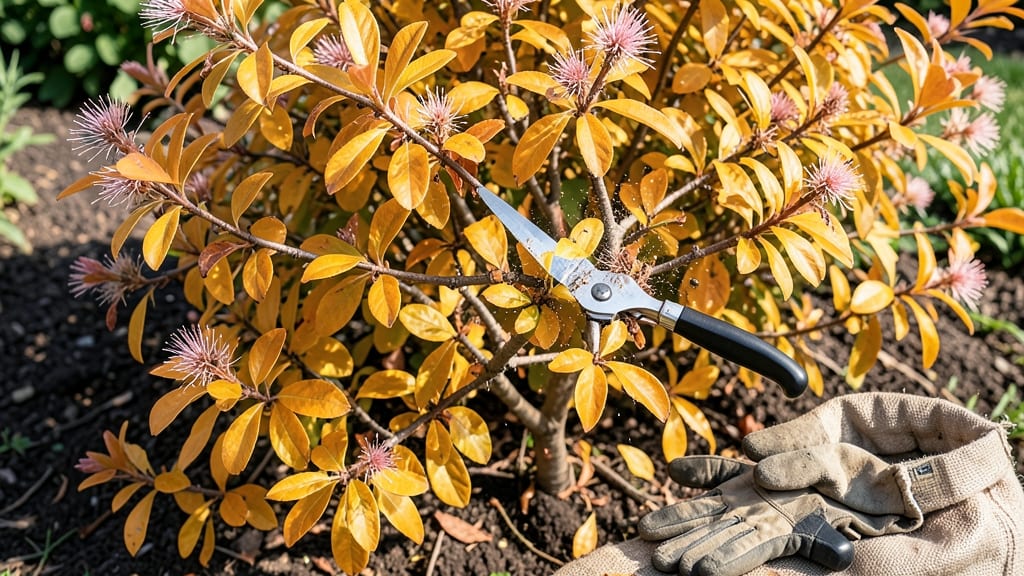
Pruning Amber Jubilee ninebark in late winter reveals its true potential. ✂️ After years of trial and error, I’ve perfected a method that transforms this shrub from leggy to lush—with stronger canes and vibrant blooms that last all season. The key?
Timing, technique, and a little patience to let it recover before summer’s heat. You’ll need sharp bypass pruners, a clean cutting surface, and a clear day when the plant is fully dormant. This isn’t about hacking back branches—it’s about strategic cuts that encourage dense growth and prevent disease.
I’ve seen firsthand how proper pruning turns a struggling ninebark into the showstopper of the landscape. By following this blueprint, you’ll end up with a bushier, more resilient plant that blooms profusely and resists pests better.
The golden-yellow foliage will glow brighter, and those clusters of tiny white flowers will multiply. It’s the difference between a shrub that fades into the background and one that commands attention. Works for any Amber Jubilee ninebark, whether it’s a young plant or an established specimen needing a rejuvenation.
Let’s get those canes looking their best!
📚 In This Guide
- What you need
- Instructions
- Tips and common mistakes
- Wrapping up and next steps
What you need
- ● Pruning shears: Bypass pruners (sharp, clean, and disinfected with rubbing alcohol or bleach solution to prevent disease spread). Quantity: 1 pair.
- ● Loppers: For thicker canes (up to 1.5” diameter). Quantity: 1 pair.
- ○ Hand pruners: For smaller cuts and detail work. Quantity: 1 pair (optional if loppers are used).
- ● Gloves: Heavy-duty gardening gloves (cut-resistant for safety). Quantity: 1 pair.
- ● Pruning saw: For stubborn, thick canes (rare for Ninebark but handy to have). Quantity: 1.
- ● Disinfectant: 1-part bleach to 9-parts water (for sterilizing tools between cuts). Quantity: Small spray bottle or container.
- ● Trash bags: For removing pruned debris. Quantity: 1-2 large bags.
- ○ Marking twine or flags: To tag canes for future reference (optional but helpful). Quantity: Small roll or 5-10 flags.
- ● Knee pads: For comfort during extended pruning sessions.
- ● Pruning sealant: (e.g., tree wound dressing) for large cuts—controversial but some swear by it!
- ● Notebook & pen: To jot down pruning notes or sketch your plant’s structure.
- ● Extension pole: For reaching higher branches (if your Ninebark is tall).
- ● Mulch: Organic mulch (e.g., shredded bark) to replenish after pruning.
Step-by-step instructions for pruning Amber Jubilee ninebark
Here's my battle-tested method for dormant-season pruning that revitalizes this shrub's structure and sets up a season of lush foliage.
✂️ Step 1: Time Your Pruning for Maximum Impact
Prune late winter or early spring, just before new growth begins—typically February through March in most climates. This timing ensures you remove last season's dead wood while leaving dormant buds intact. I always check for swollen buds along the canes; if they're still tight, it's too early.
Wait until temperatures consistently stay above 40°F during the day. Pruning in freezing conditions stresses the plant and invites disease entry points. If you miss this window, you can still prune in early fall, but the results won't be as dramatic for next year's growth.
✂️ Step 2: Remove Dead, Diseased, and Weak Canes
Start by cutting out any canes that are completely dead—they'll be brittle and snap easily when bent. Next, remove canes showing signs of disease (blackened stems, oozing sap, or fungal growth). Use clean, sharp pruners to make 45-degree cuts about ¼ inch above a healthy bud or branch junction.
Look for canes that are thinner than a pencil or growing at odd angles—these weak stems won't contribute to the shrub's structure. I like to step back and visualize the plant's natural shape after removals. The goal is to open the center for airflow while maintaining an attractive, rounded form.
✂️ Step 3: Thin Out Overcrowded Branches
Ninebark thrives when you remove 10-20% of the oldest canes each year. These are the thickest, woodiest stems at the base of the shrub. Cut them back to the ground to encourage new growth from the base. This practice prevents a woody, leggy center and promotes bushier, more vibrant foliage.
Focus on canes that are 3-5 years old—they've outlived their productivity. Make your cuts just above a healthy outward-facing bud. If you're unsure which canes to remove, prioritize those growing inward or crossing others. The goal is to create space between branches for better light penetration and air circulation.
✂️ Step 4: Shape and Refine the Shrub
Now it's time to refine the plant's shape. Step back and assess the overall form—aim for a rounded, naturally balanced silhouette. For each remaining cane, look for lateral branches (side shoots) and cut back to just above a pair of healthy buds to encourage bushier growth.
Use your pruners to make clean, precise cuts at the bud junction. Avoid leaving stubs—this invites disease and weakens the plant. For canes that are too long, you can also make heading cuts above a bud to control height while promoting branching. Remember, ninebark responds well to pruning, so don't be afraid to be bold with your cuts.
🌿 Step 5: Clean Up and Prepare for New Growth
After pruning, remove all debris from the base of the plant and surrounding area. This prevents pests and diseases from overwintering. I also like to apply a 2-3 inch layer of mulch around the base (but not touching the stems) to retain moisture and suppress weeds.
Water the shrub thoroughly after pruning to help it recover. You'll notice new growth emerging from the buds within 2-4 weeks. This is your signal that the pruning was successful. Keep an eye out for any signs of stress, like wilting leaves or unusual discoloration, and adjust your care accordingly.
Tips & tricks for perfect ninebark pruning
These battle-tested tricks will help you transform your ninebark into a thriving, disease-resistant powerhouse with minimal effort.
Timing Secret: The February-March window isn't just about avoiding new growth—it's about catching the plant when its energy reserves are at their peak. I've found that pruning on a mild, sunny day (above 40°F) when the ground isn't frozen gives the plant the best chance to recover quickly. If you're in a warmer climate, don't wait until March—start as early as January when buds begin to swell.
Tool Technique: Your pruners make all the difference. Use bypass pruners for clean cuts on thicker canes, and keep them razor-sharp—dull blades crush stems instead of cutting cleanly. I like to wipe my pruners with rubbing alcohol between cuts to prevent spreading any potential pathogens. For thicker stems, I use loppers and make the cut just outside the branch collar (the swollen area at the base of the branch).
Visual Pruning Guide: When thinning canes in Step 3, think of your ninebark like a sculpture—you're removing material to reveal the form underneath. Hold your hand at arm's length and look for canes that create a natural triangle shape when viewed from the front. Remove any that grow straight up (they'll create a "Christmas tree" effect) or cross others. The goal is to see light and air moving through the center of the plant.
Post-Pruning Care: That 2-3 inch mulch layer isn't just decorative—it's insurance against stress. I've seen pruned ninebarks recover beautifully with proper mulching, even in dry spells. Water deeply after pruning (about 1 gallon per foot of plant height) to help the plant establish new roots. The 2-4 week window for new growth is your confirmation that everything went right—if you don't see buds breaking within that time, check for signs of stress or disease.
Pro Tips for Amber Jubilee Ninebark Pruning
- These battle-tested tricks will help you transform your ninebark into a thriving, disease-resistant powerhouse with minimal effort.
- Timing Secret: The February-March window isn't just about avoiding new growth—it's about catching the plant when its energy reserves are at their peak.
- Tool Technique: Your pruners make all the difference.
Frequently asked questions
about Amber Jubilee Ninebark pruning—because even the best gardeners need a little guidance! Here are answers to the most common questions to keep your shrub thriving.When is the exact best time to prune Amber Jubilee Ninebark?
The ideal window is late winter to early spring (February–March) while the plant is still dormant but before new growth begins. If you miss this, you can do a light shaping cut in late spring after flowering—but avoid heavy pruning then, as it may reduce next year’s blooms.
How much can I trim back my Ninebark without harming it?
Amber Jubilee Ninebark is highly resilient—you can safely remove up to 1/3 of the oldest canes (those 3+ years old) to the ground. For younger plants, stick to 10–20% of total growth to avoid stress. Think of it like a haircut: less is more for long-term health!
What if I prune at the wrong time? Can I still save my Ninebark?
Don’t panic! If you prune in summer or fall, your Ninebark may not bloom as heavily next year, but it won’t die. Focus on removing only dead or diseased wood and avoid heavy cuts. Next dormant season, reset your pruning schedule and give it extra care (like balanced fertilizer) to bounce back.
Will pruning reduce the number of flowers on my Amber Jubilee?
Pruning encourages more flowers—but timing matters! Heavy cuts in late spring/early summer can reduce blooms for that season, but dormant-season pruning (as recommended) stimulates new, vigorous growth and more abundant flowers the following year. Think of it as a reward system for your plant!
Are there alternatives to pruning if my Ninebark looks overgrown?
If pruning feels overwhelming, try these low-maintenance fixes:
- Thinning out: Remove a few of the thickest, oldest canes at the base to improve airflow and light penetration.
- Selective shaping: Trim only the outer branches to open up the center without drastic cuts.
- Divide and conquer: If your Ninebark is extremely dense, dig up and divide it in early spring (though this is best for younger plants).
Wrapping up and next steps
Pruning your Amber Jubilee Ninebark during the dormant season is your secret weapon for healthier canes and show-stopping blooms! 🌿 By following this blueprint—timing, tools, and technique—you’ll encourage lush growth, prevent disease, and keep your shrub thriving for years.
Now that you’re armed with the know-how, grab those shears and get pruning—your ninebark’s future starts with just a few strategic cuts!
🚀 Next Step: Schedule Your Pruning
Mark your calendar for late winter or early spring (just before buds swell) and turn pruning into a simple, rewarding ritual. Pro tip: Snap a photo of your ninebark before and after—you’ll love tracking its transformation! 📸