
Pruning
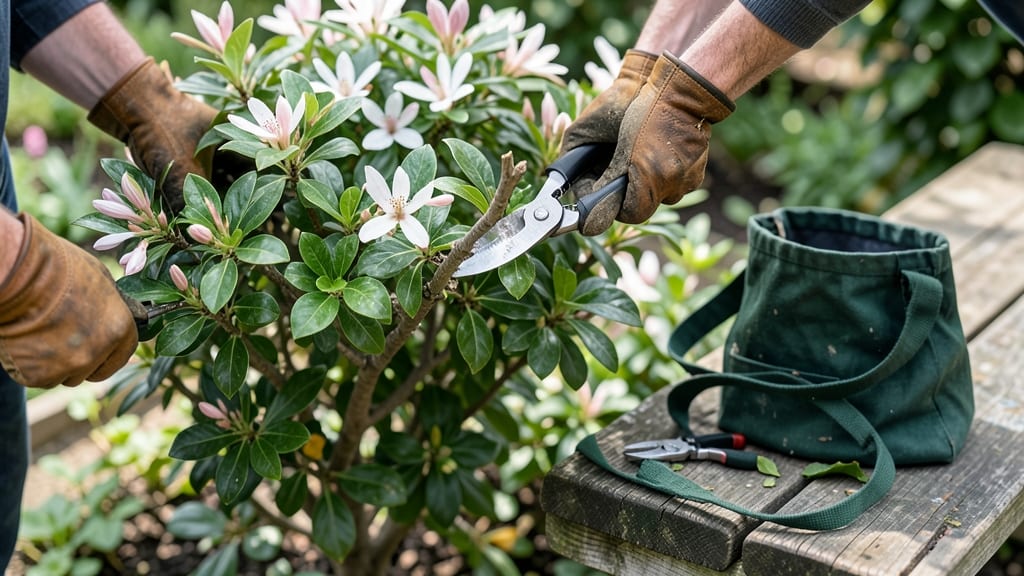
Pruning abelia plants transforms them from straggly shrubs into bushier, blooming powerhouses—and the secret is timing, not just cutting. 🌿 I learned this the hard way when my abelia looked like a tangled mess after years of neglect, but three strategic cuts turned it into the showstopper of my garden.
The key isn’t just when you prune, but how you shape it to encourage dense growth and continuous flowers.
You only need three tools: sharp pruning shears, hand pruners, and gloves—no fancy equipment required. The real magic happens in late winter or early spring, when you remove up to one-third of the oldest growth to make room for fresh, vibrant stems.
This isn’t about drastic cuts; it’s about opening up the center so air and light can circulate, which is what triggers those bright pink or white blooms from spring through fall.
After pruning, your abelia will reward you with thicker foliage and longer flowering seasons—some varieties even bloom on new and old wood, so you get double the impact.
The first flush of flowers arrives in 4-6 weeks, and if you maintain the shape, you’ll avoid the leggy, sparse look that makes abelias feel underwhelming. Think of it as a spa day for your plant: a little trim goes a long way.
For those worried about over-pruning, don’t be—abelias are forgiving. If you miss the spring window, you can still shape them in summer, though you’ll sacrifice some early blooms. The goal is to keep the plant compact and full, not to turn it into a topiary masterpiece.
With this method, my abelia now gets compliments every season—and so will yours.
📚 In This Guide
- What you need
- Instructions
- Tips and common mistakes
- Wrapping up and next steps
What you need
- ● Pruning shears: Sharp, bypass-style shears (not anvil-type) to make clean cuts. Size: 5–7 inches for medium branches.
- ● Hand pruners: For smaller stems and precision work. Look for: Ergonomic grips and stainless steel blades.
- ○ Loppers: Optional but helpful for thicker branches (up to 2 inches). Size: 18–24 inches.
- ● Disinfectant: 70% isopropyl alcohol or a gardening disinfectant spray to sterilize tools between cuts (prevents disease spread).
- ● Gloves: Heavy-duty gardening gloves to protect hands from thorns and sap.
- ● Rubbing alcohol or hydrogen peroxide: (3%) to clean tools after pruning.
- ○ Pruning sealant: Optional for large cuts (e.g., ½-inch diameter or thicker). Choose a water-based sealant to avoid suffocating the plant.
- ● Bucket or bag: For collecting pruned branches (line with a plastic bag for easy disposal).
- ● Timing: Prune in late winter or early spring (before new growth) or right after flowering (summer). Avoid heavy pruning in fall.
- ● Weather: Choose a dry, overcast day to reduce stress on the plant and minimize sap oozing.
- ○ Safety gear: Optional but recommended: Safety glasses (if dealing with large branches) and long sleeves.
- ● Plant health check: Inspect your Abelia for dead, diseased, or crossing branches before starting.
Step-by-step revival for bushier abelia blooms
Here’s how I transform leggy abelia into a lush, flowering powerhouse—no guesswork, just proven cuts.
✂️ Step 1: Prune for Structure in Late Winter
Timing is everything with abelia. I wait until late winter—after the last frost but before new growth starts—when the plant is still dormant. This ensures you’re cutting old wood that won’t sprout new shoots too early. Grab your clean, sharp pruners and remove any dead, crossing, or weak branches first. These are easy to spot—they’re brown, brittle, or growing inward toward the center.
Next, shape the plant by cutting back overgrown branches to just above a leaf node or outward-facing bud. Abelia blooms on both old and new wood, so avoid heavy pruning on last year’s flowering stems unless they’re diseased. Look for strong, healthy branches—they’ll have smooth bark and green leaves. Aim to open up the center so light and air circulate freely. You’ll see immediate improvement in the plant’s ability to flower evenly.
✂️ Step 2: Encourage Bushiness with Summer Trimming
About 6 weeks after flowering, when the plant has finished its main bloom cycle, it’s time for a lighter trim. This is where you coax that thick, bushy growth. I focus on pinching back the tips of new shoots to encourage branching. Use your fingers or small pruners to snip just above a set of leaves—this signals the plant to grow more side shoots instead of stretching upward.
Watch for water sprouts—those weak, vertical shoots that pop up in the center. These steal energy from flowering. Cut them back to the main stem or remove them entirely. You’ll notice the plant starts filling out more densely within 4-6 weeks. Abelia responds well to this mid-season pruning because it’s still actively growing but not yet preparing for dormancy. Avoid heavy cuts—just enough to shape and redirect growth.
🌿 Step 3: Light Maintenance for Year-Round Blooms
After the summer trim, shift to light maintenance pruning twice a year: once in early spring (just as buds swell) and again in early fall (before hard frosts). These are quick touch-ups—remove any stray shoots, spent blooms, or branches rubbing together. Deadheading faded flowers encourages more blooms, but don’t overdo it. Abelia’s natural habit is to flower intermittently, so let some stems go to seed if you want a more relaxed, natural look.
Here’s the thing—I never prune more than one-third of the plant’s total volume in a single season. Abelia is forgiving, but it won’t bounce back from drastic cuts. After pruning, give the plant a light fertilizer to support new growth. You’ll see fresh, vibrant foliage and more abundant blooms by next season. The key is consistency: a little pruning now means fewer drastic cuts later.
Tips & tricks for perfect abelia plant pruning
Real talk: Pruning abelia wrong can turn your flowering powerhouse into a leggy mess. Here’s how to avoid the most common mistakes and get results that’ll make your neighbors jealous.
Timing is Everything: That late winter window is non-negotiable—after the last frost but before buds swell. I’ve seen people prune too early and end up with frost-damaged new growth. Check your local frost dates and mark your calendar. If you miss this window, wait until early spring when buds are just starting to swell, but you’ll sacrifice some of that early-season bloom.
Tool Prep Matters: Clean, sharp pruners aren’t just about ease—they’re about precision. Dull blades crush stems instead of making clean cuts, which invites disease. I sterilize my tools with rubbing alcohol between cuts, especially when dealing with diseased branches. For thick branches, I use loppers with a bypass blade to avoid tearing the bark. The cleaner the cut, the faster the plant recovers.
Summer Trimming Secret: The 6-week mark after flowering is your golden opportunity to shape the plant’s future. I look for those water sprouts—they’re the plant’s way of saying “I need help!”—and cut them back to just above a leaf node. This might seem counterintuitive, but those little cuts trigger the plant to produce multiple side shoots instead of one long, weak stem. You’ll start seeing bushier growth within weeks.
Visual Cues for Maintenance: When doing your light maintenance prunes, look for branches that cross or rub against each other—they’ll eventually create wounds where disease can enter. Also, check for any stems that are growing strictly upward instead of outward. These are your clues that the plant needs redirecting. A quick pinch or cut will send it in the right direction without shocking the plant.
Pro Tips for Abelia Plant Pruning
- Real talk: Pruning abelia wrong can turn your flowering powerhouse into a leggy mess.
- Timing is Everything: That late winter window is non-negotiable—after the last frost but before buds swell.
- Tool Prep Matters: Clean, sharp pruners aren’t just about ease—they’re about precision.
Frequently asked questions
Got questions about keeping your Abelia thriving with the perfect prune? Here are answers to the most common ones—because even pros need a little guidance!
When is the best time to prune Abelia for maximum blooms?
The ideal window is late winter to early spring (just before new growth starts) or right after flowering (late summer). Avoid heavy pruning in fall—it can stimulate tender growth that won’t survive winter. Light shaping in spring keeps blooms abundant!
How much can I cut back my Abelia without killing it?
You can safely remove up to 1/3 of the plant’s height in one go, but avoid drastic cuts. For older wood, prune just above a leaf node or bud. Over-pruning stresses the plant—think of it as a haircut, not a buzz cut!
What if my Abelia isn’t blooming after pruning?
Check these fixes:
- Light: Ensure 6+ hours of sun daily—Abelia loves it!
- Fertilizer: Use a balanced 10-10-10 in spring to encourage blooms.
- Deadheading: Snip spent flowers to redirect energy to new blooms.
- Age: Young plants (under 3 years) may need patience—blooms peak at maturity.
Can I shape my Abelia like a hedge, or should I stick to natural pruning?
Abelia can be shaped into a hedge with regular trims, but it thrives best with a natural, rounded form. For hedges, prune lightly every 4–6 weeks. For bushier blooms, focus on selective pruning to open the center to sunlight.
What do I do if my Abelia looks leggy after pruning?
Leggy growth often means it needs more light or nutrients. Try:
- Move it to a sunnier spot (but avoid harsh afternoon sun in hot climates).
- Fertilize with a low-nitrogen, high-phosphorus formula to boost blooms.
- Prune again in early summer to encourage denser, fuller regrowth.
Patience is key—Abelia recovers quickly!
Wrapping up and next steps
Mastering Abelia plant pruning is your ticket to a lush, blooming shrub that steals the show year-round! 🌿 With the right tools, timing, and techniques—like light pruning in early spring and shaping cuts in late winter—you’ll encourage vibrant growth and nonstop flowers.
Don’t let hesitation hold you back: grab those shears and give your Abelia the TLC it deserves!
Ready to transform your garden? Start small—prune just one section this week, then build confidence with each cut. Before you know it, your Abelia will be the star of your outdoor space! 🌸