
Pruning
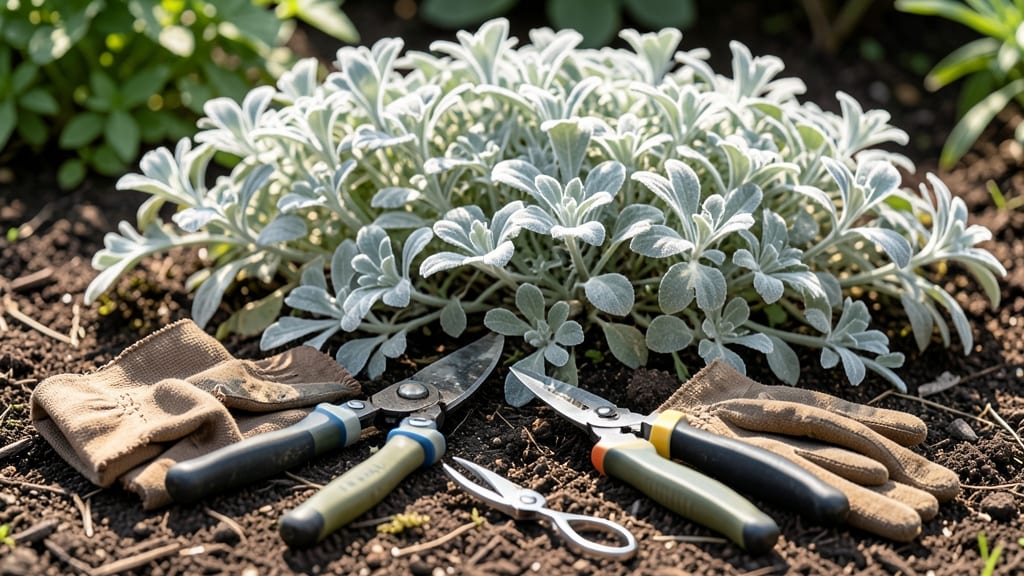
Pruning lamb’s ear plants is the secret to keeping those silvery, velvety leaves looking like fresh snow year after year. 🌿 I used to let mine get leggy and sparse until I discovered the simple cuts that trigger bushier, denser growth—no matter the season.
The key is timing, technique, and knowing exactly where (and where not) to snip.
You’ll only need sharp pruning shears, a clean pair of gloves, and about 15 minutes twice a year. The best time to prune is early spring (just as new growth starts) and late summer (after flowering), but you can lightly trim dead leaves anytime.
Avoid cutting into woody stems—those won’t regrow—and never remove more than one-third of the plant at once.
After pruning, your lamb’s ear will bounce back with thicker, more vibrant foliage in just a few weeks. The secret is encouraging new shoots from the base by cutting just above a set of healthy leaves.
This keeps the plant compact, prevents legginess, and ensures those signature fluffy leaves stay soft and lush for seasons to come.
For container plants, pruning also helps control size—perfect for small spaces. And if you notice yellowing leaves? That’s your cue to trim them immediately. The plant will thank you with longer-lasting beauty and fewer gaps in its velvety canopy.
📚 In This Guide
- What you need
- Instructions
- Tips and common mistakes
- Wrapping up and next steps
What you need
- ● Pruning shears: Bypass pruners (sharp, clean, and sterilized to prevent disease). Size: 5–7 inches for precision.
- ● Hand pruners: Anvil-style (for thicker stems, but avoid crushing foliage). Quantity: 1 pair.
- ● Gloves: Garden gloves (thick, durable—Lamb’s Ear can be fuzzy and irritating to bare hands!)
- ● Disinfectant: Rubbing alcohol (70%+) or hydrogen peroxide (3%) to sterilize tools between cuts.
- ○ Pruning saw (optional): For thick, woody stems (rare in Lamb’s Ear, but useful if neglected). Type: Fine-toothed saw.
- ● Trash bag or bucket: For pruned debris (compost later or discard if diseased).
- ● Best time to prune: Early spring (before new growth) or late summer/early fall (to shape). Avoid pruning in winter (dormant phase).
- ● Weather check: Prune on a dry, overcast day (or morning) to reduce stress on the plant.
- ● Water: Hose or watering can (to hydrate the plant post-pruning).
- ○ Mulch (optional): Organic mulch (e.g., shredded bark) to retain moisture and protect roots after trimming.
- ○ Plant food (optional): Balanced fertilizer (10-10-10) to boost recovery after heavy pruning.
Step-by-Step guide to pruning lamb's ear for year-round lushness
Here's how I keep my lamb's ear looking like a cloud all season—no dead spots, no leggy stems, just perfect fluff.
✂️ Step 1: Time Your First Spring Pruning
Wait until late spring after the last frost when new growth emerges—you'll see fresh, bright green leaves pushing through the old ones. This is your cue to revive the plant after winter dormancy. I like to prune in early April in my zone 6 garden, but adjust for your climate.
Use sharp, clean pruners to cut back any dead or browned stems to the base. Look for stems that feel mushy or have blackened tips—these won't recover. Cut at a 45-degree angle just above a leaf node to encourage new growth from there. This prevents water from pooling on the cut, which could rot the stem.
✂️ Step 2: Thin Out Overcrowded Growth
As summer progresses, lamb's ear can get dense in the center where light struggles to reach. I prune again in early June to open up the plant and improve airflow—this prevents fungal issues. Look for stems growing toward the center or crossing over others. Remove these completely at the base.
For leggy stems reaching outward, cut them back by one-third to encourage bushier growth. You'll see new side shoots emerge within 2-3 weeks—that's your reward for pruning. Never remove more than a third of the plant at once, or you'll shock it into dormancy.
✂️ Step 3: Summer Maintenance for Consistent Fluff
Every 4-6 weeks throughout summer, do a light pruning to maintain shape. Pinch off the tips of new growth when they reach 3-4 inches—this triggers bushier branching. The fuzzy texture comes from these new shoots, so you're actually preserving the plant's signature look.
Watch for any leaves that develop brown edges or spots—this signals too much sun or water stress. Trim these immediately to prevent spread. I always prune on a mild morning when the plant is hydrated but not sweating from heat, which reduces stress.
✂️ Step 4: Fall Preparation for Winter Hardiness
Start pruning again in late September to prepare for winter. Cut back all stems by half their height to reduce winter damage from snow or ice. The plant will enter dormancy with a stronger structure. Remove any diseased or damaged foliage first—this prevents pathogens from overwintering in the soil.
Leave the center of the plant slightly taller than the edges. This creates a natural windbreak that protects the crown from cold winds. Mulch with 2-3 inches of shredded bark after pruning to insulate the roots—this is non-negotiable in colder zones.
✂ Step 5: Cleanup Pruning in Early Spring
Just before new growth appears in early March, do a final cleanup. Remove all dead stems and any remaining browned leaves. You'll see fresh green shoots emerging from the base—this is your signal to stop pruning until late spring. The plant needs these new leaves to build energy for the season.
Sterilize your pruners with rubbing alcohol between cuts to prevent spreading disease. I always finish by giving the plant a light watering after pruning—this helps the plant recover faster. Within 2 weeks, you'll see dense, velvety new growth filling in any gaps.
Tips & tricks for perfect lamb's ear pruning
These garden secrets will transform your lamb's ear from scraggly to show-stopping in no time.
Timing is Everything: The late spring timing in Step 1 is critical because lamb's ear needs to recover from winter dormancy before you prune. If you prune too early, you'll remove the new growth that's just starting to emerge. I've learned the hard way—wait until you see those fresh green shoots pushing through before touching your pruners. The 45-degree angle cut in Step 1 isn't just aesthetic—it prevents water from pooling on the cut surface, which could lead to rot. Think of it like creating a little roof over the cut to keep moisture out.
Summer Maintenance Secret: That 4-6 week summer maintenance schedule in Step 3 might seem frequent, but it's what creates that signature velvety texture. When you pinch off those tips at 3-4 inches, you're essentially telling the plant "branch out here instead!" This technique creates more surface area for those fuzzy leaves to develop. I always do this on mild mornings because the plant is hydrated but not stressed from heat—it's like giving your plant a spa day before the workout.
Winter Prep Strategy: The half-height cut in Step 4 might seem drastic, but it's actually preparing your plant for winter survival. That taller center creates a natural windbreak that protects the crown from cold winds, while the shorter outer stems prevent snow accumulation that could break branches. The 2-3 inches of mulch is non-negotiable in colder zones—it's like putting a cozy blanket on your plant's roots. I've seen lamb's ear survive winters with just this preparation that would otherwise be lost to frost damage.
Pruning Tool Essentials: You don't need fancy tools—just sharp, clean pruners that you sterilize between cuts with rubbing alcohol. This might seem like overkill, but I've seen fungal diseases spread rapidly when tools aren't sanitized. The light watering after pruning in Step 5 helps the plant recover faster by replenishing moisture lost during cutting. Think of it like giving your plant a drink after a workout—it helps it bounce back quicker.
Pro Tips for Lambs Ear Plant Pruning
- These garden secrets will transform your lamb's ear from scraggly to show-stopping in no time.
- Timing is Everything: The late spring timing in Step 1 is critical because lamb's ear needs to recover from winter dormancy before you prune.
- Summer Maintenance Secret: That 4-6 week summer maintenance schedule in Step 3 might seem frequent, but it's what creates that signature velvety texture.
Frequently asked questions
Got questions about keeping your Stachys byzantina (Lamb’s Ear) looking its best? Here are some of the most common ones—plus straightforward answers to help you prune like a pro!
When is the best time to prune Lamb’s Ear?
Prune Lamb’s Ear in early spring (just as new growth appears) or late summer (after flowering). Avoid heavy pruning in fall—this tender perennial needs time to harden off before winter. Light trims to remove dead leaves can happen year-round, but avoid aggressive cuts in cold months.
How much should I trim back my Lamb’s Ear?
For a bushier look, cut back one-third of the plant’s height in spring. If it’s leggy, trim individual stems to just above a set of healthy leaves. Never remove more than half the plant at once—this can stress it. Think of it like giving your plant a haircut, not a shave!
What if my Lamb’s Ear looks yellow or crispy after pruning?
Yellow or brown leaves after pruning usually mean over-trimming or stress. If it’s mild, the plant will bounce back with new growth. For severe damage, reduce watering slightly and avoid fertilizing until it recovers. Pro tip: Always use clean, sharp shears to prevent tearing leaves, which can invite pests.
Can I propagate Lamb’s Ear from pruned cuttings?
Spring or summer
is ideal for propagating. Take 3–4 inch cuttings from healthy stems, remove the lower leaves, and dip in rooting hormone (optional). Plant in well-draining soil and keep moist until roots form (about 4–6 weeks). It’s a great way to multiply your fluffy friends for free!
Do I need to prune Lamb’s Ear in winter?
Minimal pruning is needed in winter. Focus on removing dead or frost-damaged leaves to prevent rot. Avoid heavy cuts—Lamb’s Ear is semi-evergreen in mild climates and benefits from its natural winter shape. If you live in a harsh winter zone, a light tidy-up in late winter (just before spring) works too.
Bonus Tip:
Use your pruned Lamb’s Ear stems for natural mulch or compost—they break down quickly and add nutrients to the soil! Just avoid using diseased or pest-ridden clippings.
Wrapping up and next steps
Pruning your Stachys byzantina (lamb’s ear) is the secret to keeping its velvety leaves lush and abundant year-round! 🌿 By following the right techniques—whether deadheading, shaping, or encouraging bushier growth—you’ll reward yourself with a thriving, low-maintenance plant that’s as charming as it is resilient.
With just a little effort, your lamb’s ear will stay fluffy, healthy, and ready to steal the show in your garden.
Ready to take your pruning skills to the next level? Grab your shears and give your plant a fresh trim today! For extra inspiration, explore how to pair lamb’s ear with other drought-tolerant plants or dive into seasonal care tips to keep your garden flourishing all year. Happy pruning! ✂️