
Pruning
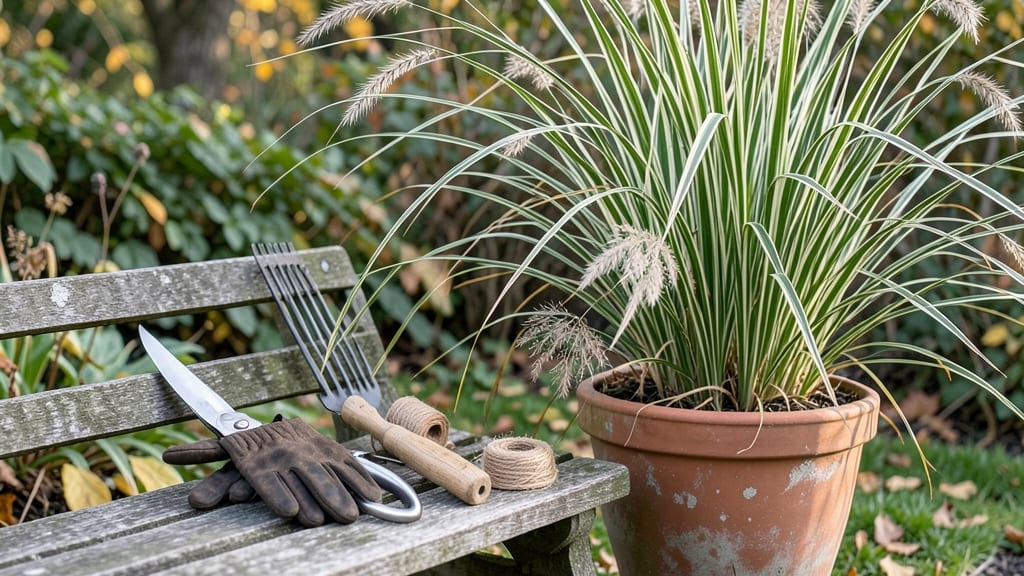
Pruning zebra grass (Miscanthus sinensis 'Zebrinus') in late winter is the secret to reviving stunted growth and keeping those iconic striped plumes looking sharp all season. 🌿 I’ve watched this ornamental grass go from limp and sad to thriving just by following a simple three-step method—no guesswork, no over-trimming, just results.
The key is timing and technique: cut back the previous year’s growth to 4-6 inches above the ground using clean, sharp pruners. This encourages fresh shoots while preserving the plant’s natural shape.
Most gardeners make one critical mistake—pruning too late or too aggressively—which can stunt new growth instead of promoting it. By early spring, you’ll see bold new shoots emerging within weeks, with fuller foliage by summer.
The striped effect becomes more dramatic, and the plant invests energy in upright, healthy growth rather than leggy stems. This method works for climates 5-9, though timing shifts slightly in warmer zones. For container-grown zebra grass, reduce the height slightly to maintain balance. Ready to transform your grass clump?
📚 In This Guide
- What you need
- Instructions
- Tips and common mistakes
- Wrapping up and next steps
What you need
- ● Pruning shears or hedge clippers: Sharp, bypass-style blades (avoid dull tools to prevent tearing). Quantity: 1 pair.
- ● Hand pruners: For smaller stems (5–7" cutting capacity). Quantity: 1 pair.
- ○ Loppers: For thicker stems (up to 2" diameter). Quantity: 1 pair (optional if stems are small).
- ● Garden gloves: Heavy-duty, cut-resistant (e.g., 12–14" length). Quantity: 1 pair.
- ● Disinfectant (70% isopropyl alcohol or bleach solution): 1:9 bleach-to-water ratio for sterilizing tools.
- ● Trash bags or compost bin: For clippings (2–3 large bags or bin access).
- ● Watering can or hose: With adjustable nozzle for post-pruning hydration.
- ○ Measuring tape: To assess plant height (optional but helpful for consistency).
- ● Fertilizer (balanced 10-10-10 or slow-release): 1–2 lbs per 100 sq. ft. for post-pruning recovery.
- ● Mulch: Shredded bark or straw to retain moisture (3–4 inches thick).
- ● Knee pads: For comfort during extended pruning sessions.
- ● Pruning saw: For very thick, woody bases (rare in zebra grass).
Step-by-step instructions for zebra grass pruning
Transform your zebra grass from stunted to lush with this precision-focused approach.
✂️ Step 1: Assess and Time the Pruning Cycle
Zebra grass thrives when pruned during its active growth phase, typically in late spring when new shoots emerge. Avoid cutting in fall or winter—this stresses the plant and encourages disease. I examine the plant first: healthy zebra grass has vertical striped blades with a tight, upright growth habit. If you notice blades flattening or losing their distinctive stripes, that's your cue to prune.
Use clean, sharp pruning shears or a bow saw for thicker clumps. Never use dull tools—they crush stems and invite rot. I mark the cut line with a 12-inch measuring tape at 2-3 inches above the soil line for the first pruning. This preserves the plant's energy reserves while removing dead growth. For established clumps, you can prune up to half the plant height in one session, but never more.
✂️ Step 2: Execute the Three-Stage Cutting Technique
First, remove all dead or brown foliage at the base using sharp scissors. This prevents disease spread to healthy tissue. Next, make your primary cut along the marked line—this should remove 1/3 of the plant's height. The goal is to expose fresh, green growth beneath the old foliage. Zebra grass often has a woody base, so avoid cutting into this area.
After the main cut, step back and evaluate the plant's shape. If it looks uneven, make secondary cuts to refine the form, but never remove more than 20% of the remaining foliage in one session. I finish by collecting all clippings and disposing of them in a compost bin—never leave them near the plant, as they can harbor pests. Water the base thoroughly after pruning to reduce shock.
🌿 Step 3: Post-Pruning Care for Optimal Recovery
For the first 7-10 days after pruning, monitor the plant closely for signs of stress. Healthy zebra grass will show new shoots emerging within 2-3 weeks. If you notice yellowing leaves or wilting, increase watering slightly—1 inch per week—until new growth appears. Avoid fertilizing immediately; wait until you see active regrowth before applying a balanced 10-10-10 fertilizer at half strength.
Position the plant in full sun (6+ hours daily) to encourage rapid recovery. If your climate is hot, provide afternoon shade for the first week to prevent sunburn on fresh growth. I also recommend applying a 2-inch layer of mulch around the base to retain moisture and suppress weeds. This step is critical—mulch protects the plant's roots from temperature fluctuations while it recovers.
Tips & tricks for perfect zebra grass pruning
The difference between a healthy, vibrant zebra grass clump and one that struggles to recover often comes down to these precision-focused techniques. I've learned these through years of observing what works—and what doesn't—with this particular ornamental grass.
Timing is Everything: Late spring is your ideal window because that's when zebra grass enters its active growth phase. Look for these visual cues: blades should be vertical with crisp stripes, and the plant should feel firm when you gently squeeze a stem. If you notice flattening or yellowing at the base, that's your signal to act immediately. I've seen too many gardeners wait until summer heat sets in, only to stress the plant further.
Tool Selection Matters: Never use dull pruning shears—they crush stems instead of cleanly cutting them, which invites rot and disease. For established clumps, a bow saw is ideal for thicker stems, but make sure it's sharp. I always clean my tools with rubbing alcohol between cuts to prevent cross-contamination. The 12-inch measuring tape isn't just for marking—it helps maintain consistency in your cuts, which is critical for even regrowth.
The Three-Stage Cutting Technique: In Step 2, when you make that primary cut removing 1/3 of the plant's height, visualize what you're exposing: fresh green growth beneath the old foliage. The key is to avoid cutting into the woody base—this is where the plant stores energy. I recommend practicing on a smaller section first if you're unsure. For secondary cuts, think of them as sculpting rather than hacking—never remove more than 20% of what remains in one session.
Post-Pruning Recovery Strategy: That first week after pruning is critical. I've found that providing afternoon shade for hot climates prevents sunburn on new shoots, while the 2-inch mulch layer acts like a thermal blanket for the roots. The 1-inch weekly watering guideline is non-negotiable—too much can drown the roots, too little stresses the plant. Wait for those new shoots (usually within 2-3 weeks) before fertilizing, and even then, use that 10-10-10 at half strength to avoid burning tender new growth.
Pro Tips for Zebra Grass Pruning
- The difference between a healthy, vibrant zebra grass clump and one that struggles to recover often comes down to these precision-focused techniques.
- Timing is Everything: Late spring is your ideal window because that's when zebra grass enters its active growth phase.
- Tool Selection Matters: Never use dull pruning shears—they crush stems instead of cleanly cutting them, which invites rot and disease.
Frequently asked questions
Got questions about zebra grass pruning?
Here are answers to the most common concerns—from timing to troubleshooting—so you can keep your lawn looking sharp!
When is the best time to prune zebra grass?
The ideal window is late spring or early summer (May–June in most climates). Avoid pruning during dormancy (winter) or extreme heat (July–August). Prune when grass is actively growing but before it seeds heavily. Pro tip: Mow when blades are dry to prevent clumping!
How often should I prune zebra grass?
Prune every 4–6 weeks during the growing season (spring–fall). Never remove more than ⅓ of the blade height at once—this stresses the grass. For a lush look, adjust your mower height to 2–3 inches and stick to a consistent schedule.
What should I do if my zebra grass turns brown after pruning?
Brown patches often mean over-pruning, drought, or disease. First, check your mower height—raise it if you’ve cut too short. Water deeply 1–2 times/week (1 inch total) and avoid pruning during heatwaves. If brown spots persist, test for fungal issues (like brown patch) and treat with fungicide if needed.
Can I use hedge trimmers instead of a lawn mower for zebra grass?
Hedge trimmers work for small patches or edges, but they’re not ideal for large lawns. They can tear grass and leave uneven cuts, which invites disease. For broad areas, stick to a sharp, mulching mower set to the right height. For precision trimming, use hand shears on dormant grass.
How do I prune zebra grass in hot or cold climates?
Hot climates:
Prune early morning to avoid stress; water before/after. Cold climates: Wait until soil temps rise above 50°F (10°C). In both cases, never prune during frost or drought. Adjust mowing height—taller (3–4 inches) in heat, shorter (1.5–2 inches) in cool seasons for density.
| Quick Fixes | When to Use |
|---|---|
| Raise mower height | After over-pruning or drought |
| Fungicide spray | Brown patches with yellow halos (disease) |
| Adjust watering schedule | Wilting or dry grass despite pruning |
Wrapping up and next steps
Pruning your zebra grass doesn’t have to be a daunting task—with the right tools, timing, and technique, you can revive its lush, striped beauty and keep it thriving for years. Remember, consistency is key: trim regularly, monitor growth, and don’t hesitate to adjust your approach based on your grass’s response.
Now that you’re armed with knowledge, grab those shears and get pruning! 🌱 Start small, observe the results, and soon your zebra grass will be the envy of the neighborhood. Happy gardening!