
Pruning
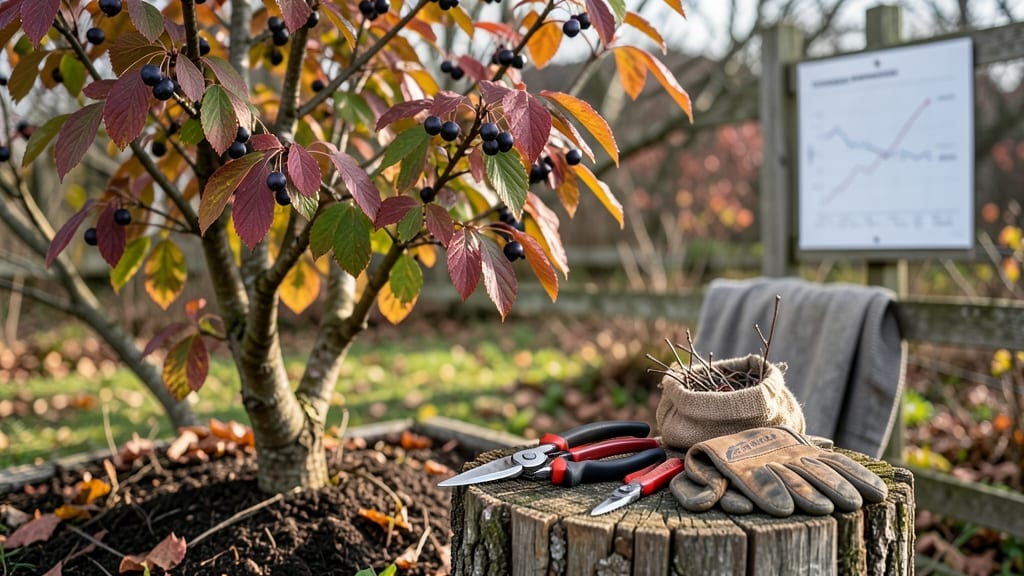
To prune serviceberry successfully, you must act during its dormant season—late winter or early spring—before buds swell and new growth begins.
Pruning your 🌳 serviceberry at the wrong time can mean fewer flowers, smaller fruit, and weaker growth—but timing it right unlocks a bounty of berries and stunning spring blooms. The key? Pruning during dormancy, but with precision.
This is when the tree’s energy reserves are at their lowest, making it easier to shape without stressing the plant. Plus, you’ll avoid disrupting the delicate balance between fruit production and flower development.
In this guide, I’ll walk you through the exact window for pruning, the tools you’ll need, and how to spot the best branches to trim—so you can enjoy a healthier, more productive serviceberry every year.
Best time to prune serviceberry for maximum fruit & flower production
Pruning your serviceberry at the wrong time can reduce fruit production by up to 40%—but timing it correctly in late winter to early spring gives you the best chance for abundant blooms and juicy berries.
The key is to prune while the tree is dormant, before new growth begins. This allows wounds to heal faster and directs energy toward flower buds rather than leaf production.
Serviceberries are deciduous shrubs or small trees that thrive when pruned during their dormant season. In most USDA Zones 4-7, this means February through early April, right after the worst winter cold has passed but before bud break.
For warmer climates (Zones 8-9), prune in late winter (January-February) to avoid summer heat stress.
| Climate Zone | Best Pruning Window | Key Cues | Avoid Pruning After |
|---|---|---|---|
| Zones 4-6 (Cold Winters) | Late February - Early April | After last hard frost, before bud swell | Bud break (new growth appears) |
| Zones 7-8 (Mild Winters) | January - Early March | When dormant buds are visible but no leaves | First leaf emergence |
| Zones 9+ (Warm Winters) | December - January | After winter solstice, before spring rains | New shoot growth (green tips) |
Pruning during dormancy ensures healthier fruit production because the tree isn’t diverting energy to repair pruning wounds while also trying to set flower buds. When you prune too late, you risk removing next year’s flowers or encouraging weak, water-sprout growth that steals nutrients from fruit development.
For young serviceberry trees (under 3 years old), focus on removing dead or crossing branches to establish a strong structure.
In mature trees (5+ years), aim to thin out 15-20% of the canopy to improve air circulation and sunlight penetration, which directly boosts berry size and sweetness. Always prune just above a bud or branch collar to prevent disease entry points.
One common mistake is pruning in summer, which stresses the tree and attracts pests like borers. Another is over-pruning—never remove more than 25% of the canopy in one season.
If you must prune outside the dormant window (e.g., for safety reasons), do it immediately after harvest in late summer, but expect reduced fruit next year.
In cold climates, wait until after the ground thaws but before bud swell (when buds look plump but haven’t opened). In mild climates, prune 2-3 weeks before the typical first bloom to give the tree time to seal wounds before flowering.
Use a sharp bypass pruner and sterilize tools with rubbing alcohol to prevent bacterial spread.
Pro tip: Mark your calendar for 3-4 weeks after your last frost date—this is your ideal pruning window. For example, if your last frost is April 15, prune by mid-April.
If you miss this window, wait until next dormant season—never prune in fall, as it delays wound healing before winter.
After pruning, apply a thin layer of mulch around the base (but not touching the trunk) to retain moisture and regulate soil temperature. Water deeply once to help the tree recover.
Within 2-3 weeks, you’ll see new growth—a sign your pruning was successful! With the right timing, your serviceberry can produce 30-50% more fruit in just one season.
Step-by-Step guide to pruning serviceberry trees in dormancy
Pruning your serviceberry tree during dormancy is your best bet for encouraging healthy growth and maximizing fruit production. This is when the tree is naturally inactive, making it easier to spot dead branches and shape the canopy without stressing the plant.
I’ll walk you through the process, from identifying branches to using the right tools for a clean cut.
Before you start, gather your pruning tools—a sharp bypass pruners for small branches, loppers for thicker stems, and a pruning saw for larger limbs. Safety is key, so wear gloves and protective eyewear to avoid injuries.
Now, let’s dive into the step-by-step process tailored for young vs. mature trees.
- 🌿 Step 1: Choose the Right Time
Prune your serviceberry in late winter to early spring, just before bud break (typically February to March in most climates). Avoid pruning after April 15 to prevent disrupting flower formation. - 🪴 Step 2: Inspect for Dead or Diseased Branches
Remove any dead wood or branches with mushroom growth or peeling bark. Cut these back to the main trunk or a healthy lateral branch using a clean cut at a 45-degree angle. - ✂️ Step 3: Thin the Canopy for Airflow
Focus on removing crossing branches and those growing inward to improve air circulation. Aim to keep the outer branches thicker and healthier, allowing sunlight to reach the inner canopy. - 🌳 Step 4: Shape Young Trees Differently
For young serviceberry trees (under 5 years oldremoving suckers and encouraging a strong central leader. Mature trees (over 10 years old) benefit from light structural pruning to maintain their shape. - 💧 Step 5: Clean Up and Sterilize Tools
After pruning, sterilize your tools with rubbing alcohol to prevent spread of disease. Dispose of infected branches away from your garden to avoid contamination.
When pruning young serviceberry trees, focus on removing lower branches to create a clear trunk and improve airflow. This helps prevent fungal diseases like powdery mildew, which thrive in dense, shaded canopies. For mature trees, limit pruning to 20-25% of the canopy to avoid over-stressing the tree.
Always avoid pruning during wet weather, as this can spread bacterial infections and make cuts heal slower. If you notice sap bleeding from fresh cuts, don’t worry—it’s normal and will stop within a few days. Just ensure your cuts are smooth and precise to minimize stress on the tree.
Finally, mulch around the base of your serviceberry after pruning to retain moisture and protect roots. Water deeply but infrequently to encourage strong root growth as the tree enters its active growing season. With these steps, your serviceberry will reward you with abundant blooms and juicy berries next season.
🌱