
How To
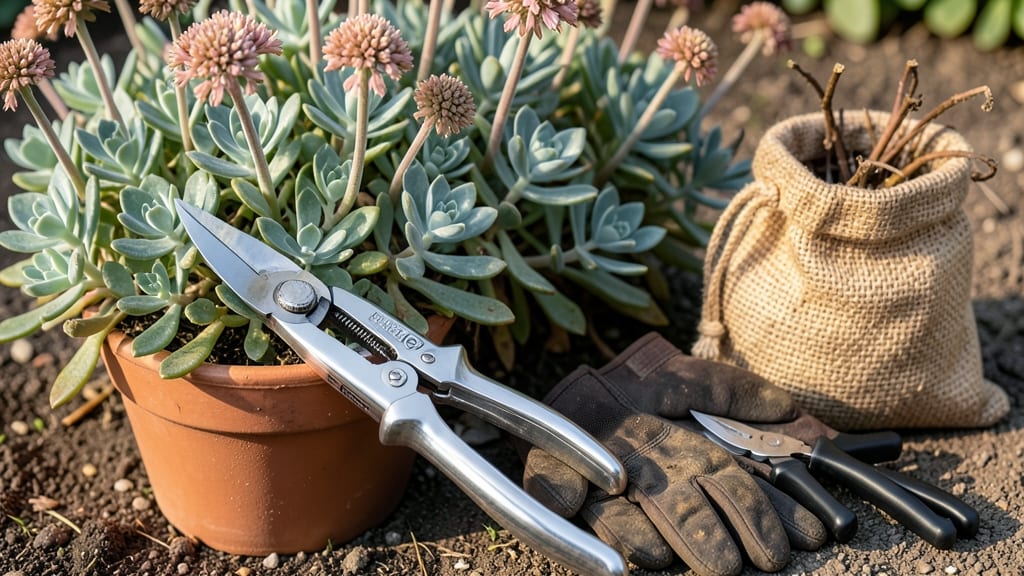
Pruning sedum at the wrong time can turn your summer blooms into a flop—but get the timing right, and you’ll unlock healthier plants with bigger, brighter flowers every year.
Picture this: You’ve spent months nurturing your 🌵 sedum, only to snip it back too early and watch it struggle through the heat. Or worse, you wait too long and lose that lush, vibrant growth.
The key to avoiding these mistakes? Understanding when to prune based on your climate and the plant’s natural cycle.
In Zone 6a, late winter or early spring—just as new growth begins—is the ideal window for a rejuvenating trim. But if you’re in a warmer region, fall pruning might be the game-changer you need to prep for winter dormancy.
We’ll break down the exact cues to watch for, so you never guess again.
By the end, you’ll know not just when to prune sedum, but how to do it for maximum impact—whether you’re tidying up leggy stems or encouraging a bushier, more abundant display. Let’s get started.
Optimal pruning seasons for sedum based on climate Zones
Timing your sedum pruning correctly can mean the difference between a lush, blooming plant and one struggling to recover. Since sedum thrives in diverse climates, understanding zone-specific deadlines is key to avoiding frost damage or heat stress.
In cold climates, late winter pruning prepares plants for spring growth, while warm climates often favor fall pruning to prevent summer stress. Let’s break down the best times for your region.
For USDA Zones 3-7, where frost is a real threat, pruning too early can expose tender new growth to freezing temperatures. Wait until late winter or early spring (after the last frost date) to prune.
In Zones 8-11, sedum’s natural dormancy in summer means pruning should happen in early fall or late winter to avoid heat stress. Tropical regions (Zones 12+) can prune year-round, but timing still matters for blooming cycles.
In cold climates (Zones 3-7), I always prune sedum in late winter because it removes dead foliage and stimulates fresh growth before spring. Look for new shoots emerging—this is your cue!
Avoid pruning in fall, as sedum needs its leaves to protect the crown during winter. If you miss late winter, wait until early spring after the last frost date.
For warm climates (Zones 8-11), fall pruning is ideal because sedum enters a natural dormancy phase. Prune in September or October to remove spent blooms and leggy stems before summer heat arrives.
If you live in a Mediterranean climate, late winter pruning (January-February) also works well to encourage spring blooms.
Tropical regions offer the most flexibility, but timing still matters. Prune sedum after flowering to maintain shape and encourage new growth. In areas with heavy rainfall, avoid pruning during monsoon season, as soggy soil can lead to rot. Instead, wait for dry spells to trim back overgrown stems.
One common mistake I see is pruning sedum during its blooming season. If you cut back too early, you’ll sacrifice those stunning pink, yellow, or white flowers.
Always wait until after flowering (or in late winter for cold climates) to prune. This ensures your sedum has time to recharge for next year’s blooms.
Pro tip: If your sedum looks overgrown or leggy, a light pruning in early summer can help, but avoid heavy cuts. Focus on removing only the longest, weakest stems to maintain its compact shape without stressing the plant.
This mid-season trim is especially useful in hot climates where sedum can stretch toward shade.
Remember, sedum is a low-maintenance plant, but proper pruning timing ensures it stays healthy and vibrant. Whether you’re in a frost-prone zone or a tropical paradise, aligning your pruning schedule with your local climate will keep your sedum thriving for years.
With the right timing, you’ll enjoy bold foliage and stunning blooms season after season.
Step-by-Step guide to pruning sedum for maximum blooms
Pruning sedum correctly is the secret to keeping those vibrant blooms and dense foliage thriving year after year. Unlike many plants, sedum responds best to timely pruning—whether you're shaping leggy stems or reviving overgrown plants. The key is knowing when and how to cut without stressing your succulent beauty.
I’ve pruned sedum for over a decade, and these steps will help you avoid common mistakes while encouraging healthier growth and bigger flowers.
Timing is everything with sedum pruning. The best time to prune is late winter or early spring, just as new growth begins but before the plant fully wakes up from dormancy. This gives your sedum a head start on the growing season.
If your plant looks overgrown or leggy after flowering, a second light pruning in early summer can also help maintain shape. Avoid pruning in fall or winter, as this can leave your plant vulnerable to frost damage or stress.
- 📅 Step 1: Choose the Right Time
Prune in late winter (February-March) for spring blooms or early summer (June) to shape leggy growth. Avoid pruning after first frost or during active flowering. - 🪴 Step 2: Gather Your Tools
Use clean, sharp pruners or bypass shears to make precise cuts. Disinfect tools with rubbing alcohol to prevent disease spread. - ✂️ Step 3: Trim Leggy Stems
Cut back overlong stems by 1/3 to encourage bushier growth. Focus on stems that are bare or stretched beyond the plant’s natural shape. - 🌱 Step 4: Shape for Density
Prune outer growth to open up the center for better airflow. This reduces fungal risks and promotes denser foliage. - 💧 Step 5: Water and Fertilize
Water deeply after pruning to help recovery. Apply a light fertilizer (5-10-10) to encourage new growth—but avoid over-fertilizing.
When pruning, always cut just above a leaf node or healthy stem to encourage regrowth. If your sedum looks woody or overcrowded, you can do a harder prune in late winter by cutting back 1/2 to 2/3 of the plant.
This rejuvenates older sedum and stimulates new, vibrant growth. Just be sure to leave some foliage at the base to protect the plant.
Safety is just as important as technique. Always wear gloves to protect your hands from sharp stems or sap, and never prune when the plant is wet or icy. Wet conditions can spread disease, while icy stems are more likely to snap unpredictably.
If you’re pruning in hot weather, do it early in the morning to avoid heat stress on the plant.
After pruning, monitor your sedum for signs of stress, like yellowing leaves or wilting. This is normal for a few days, but if it persists, your cuts may have been too severe.
To revive a struggling plant, reduce watering slightly and place it in bright, indirect light until it recovers. With the right timing and care, your sedum will reward you with lush foliage and stunning blooms all season long.
Remember, sedum is a low-maintenance plant, so don’t overcomplicate the process. A little regular pruning goes a long way in keeping your garden looking neat and thriving. Once you master the timing, you’ll have a year-round showstopper that requires minimal effort. Happy pruning! 🌵