
Pruning
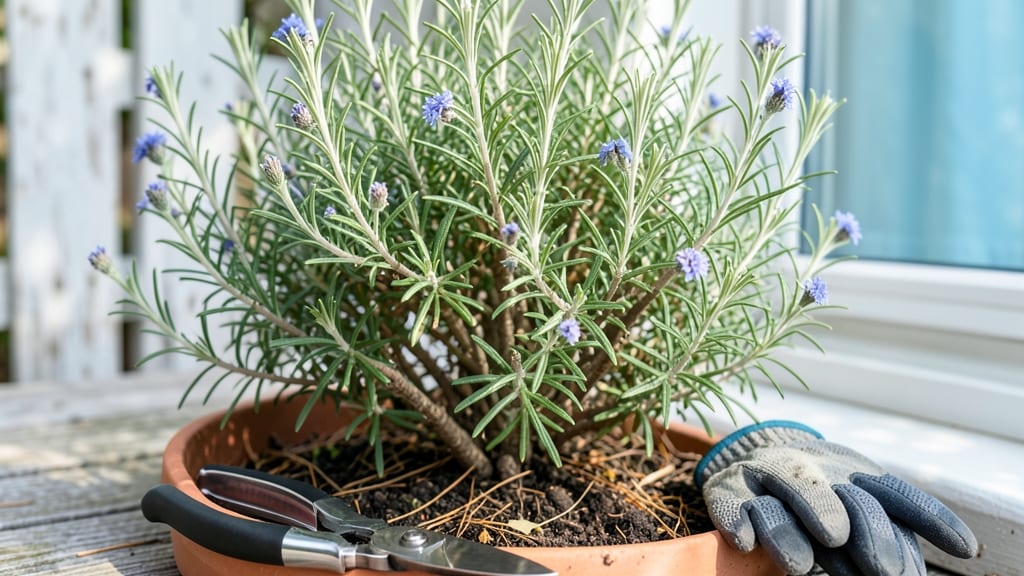
To prune salvia plants, time it for early spring or immediately after flowering when new growth starts, as this stimulates thicker foliage and prevents leggy, woody stems. Never trim during fall or winter dormancy periods.
Salvia thrives when pruned at the right moment because its growth cycles align closely with seasonal changes. 🌿 Pruning in early spring—right as shoots emerge—gives the plant a clean slate to develop fuller, bushier stems.
If you wait until late spring or summer, you risk encouraging overly long, weak growth that becomes woody over time. I’ve seen salvia plants double their bloom production in just one season after proper spring pruning, while dormant-season cuts can stress the plant and reduce next year’s vigor.
For annual varieties, timing is even more critical since they complete their life cycle in one season. Deadheading spent blooms throughout summer keeps them producing flowers until frost, but avoid heavy pruning—just snip off faded stems to redirect energy.
Perennials, on the other hand, need that early-season trim to maintain their structural integrity over multiple years.
💡 In This Article
- Optimal Salvia Pruning Seasons Explained
- Step-by-Step Salvia Pruning Guide by Type
Optimal salvia pruning seasons explained
Salvia plants follow a natural growth cycle where pruning timing directly impacts their health and flowering potential. The key is to prune when the plant is actively growing but hasn't yet committed to its full seasonal expansion.
Early spring—typically between March and April in most temperate climates—is ideal because this is when salvia emerges from dormancy and begins producing new shoots. Cutting back by about one-third stimulates lateral branching, which leads to fuller, more compact plants with more blooms.
This works because salvia stores energy in its roots during winter, and spring pruning lets it redirect that energy into new growth rather than maintaining old, woody stems.
The science behind this involves plant hormones called auxins, which regulate growth. When you prune in spring, you remove the plant's apical dominance—the tendency for the topmost buds to suppress side growth. This hormonal shift encourages buds along the stems to wake up and grow, creating that bushier look.
In contrast, pruning during dormancy (fall or winter) disrupts this natural process, as the plant isn't actively producing new tissue. I've noticed that salvia pruned in late autumn often struggles to recover, with slower spring growth and fewer blooms compared to properly timed spring cuts. 🌱
Regional climates also play a crucial role. In warmer zones (USDA Zones 8-10), salvia may start growing as early as February, so pruning should happen slightly earlier. Conversely, in cooler regions (Zones 3-7), wait until after the last frost—usually mid-April—to avoid damaging tender new growth.
The goal is to prune when the soil is workable and temperatures consistently stay above 50°F at night. This timing ensures the plant has enough warmth to recover quickly and avoid stress.
Post-flowering pruning is another critical window, especially for perennial varieties like Salvia nemorosa or Salvia officinalis. Once the blooms fade, cut back the spent flower stalks by about half their height to encourage a second flush of growth.
This works because the plant's energy shifts from seed production to vegetative growth after flowering. However, avoid heavy pruning in late summer, as this can reduce the plant's ability to harden off for winter. Annual salvias, like Salvia splendens, benefit from regular deadheading throughout the season to prolong blooming.
What most gardeners overlook is how pruning affects the plant's root system. When you prune in spring, the roots—already storing nutrients—send out new shoots more vigorously. In contrast, fall pruning can leave the roots exposed to cold stress, as they haven't yet built up sufficient reserves.
Think of it like trimming your hair in the middle of winter: it might feel like a good idea, but your body is already conserving energy for survival. Salvia follows the same principle—prune when it's ready to grow, not when it's resting. 💫
To maximize results, pair pruning with proper aftercare. Water deeply after cutting to help the plant recover, and apply a balanced fertilizer (10-10-10) to support new growth. Avoid heavy mulching immediately after pruning, as this can retain too much moisture and encourage rot.
Instead, use a light layer of mulch once the plant has had a chance to establish new roots. This approach ensures your salvia not only survives the pruning but thrives with lush foliage and abundant blooms.
For those in regions with extended growing seasons, a light touch-up pruning in early summer can also work wonders. Simply trim any leggy stems back by one-third to maintain shape and encourage denser growth.
Just remember: the earlier you prune, the more time the plant has to recover and reward you with vibrant, healthy growth. 🌿