
Pruning
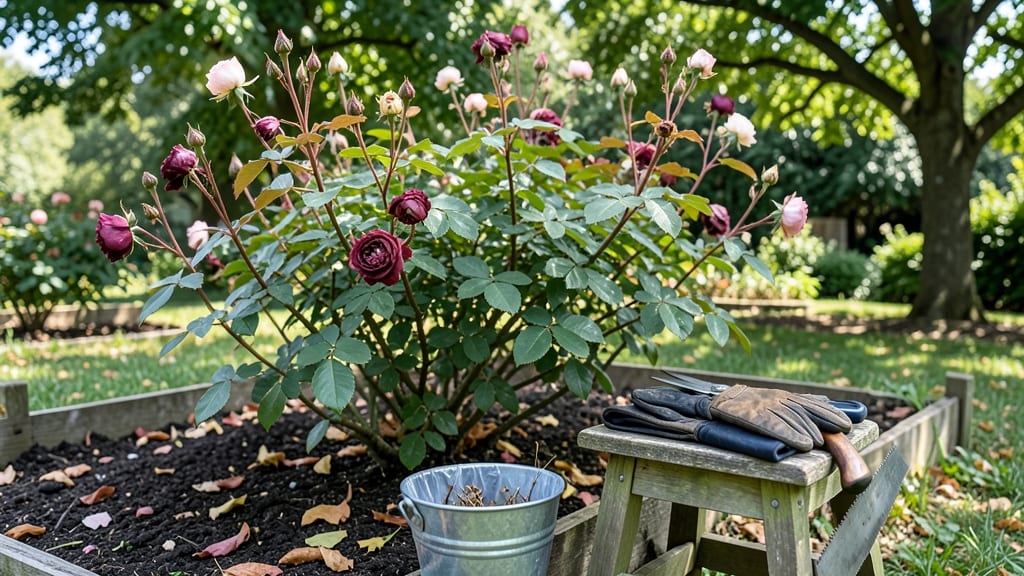
Pruning roses in Virginia at the right time can mean the difference between vibrant blooms and struggling bushes fighting off disease.
Picture this: your 🌹 roses are just waking from winter dormancy, their canes still brittle from the cold. If you prune too early, you risk damaging new growth before it’s strong enough to handle Virginia’s unpredictable late frosts.
But wait too long, and you’ll cut back the buds that could have been this year’s showstopper flowers.
The key is timing—late winter to early spring (February through April) is your best window, but there’s more to it than just the calendar.
Virginia’s 7a-8a zones mean your Piedmont roses might need a slightly different approach than those in the Coastal Plain, where milder winters can shift the schedule by a few weeks.
In this guide, I’ll walk you through the exact timing for your rose type, how to spot the signs that your bushes are ready, and the step-by-step cuts that keep your roses thriving all season long.
Virginia’s rose pruning calendar: month-by-month guide for optimal blooms
Virginia’s humid subtropical climate (USDA zones 7a-8a) creates unique challenges for rose care. Pruning at the wrong time can invite black spot disease or leave your roses vulnerable to late frosts.
The key is timing—late winter to early spring for most varieties, but with regional adjustments for Piedmont’s cooler temps versus Coastal Plain’s milder winters.
Your last frost date (typically mid-April) is the anchor for pruning. In northern Virginia, aim for February to early March when days warm above 40°F. Southern Virginia gardeners can wait until late March due to milder winters.
Here’s your Virginia-specific pruning calendar, broken down by rose type and month, to ensure healthier canes and longer bloom seasons.
🌹 Pro Tip: Always prune on a dry, sunny day to prevent fungal spores from splashing onto fresh cuts.
For hybrid teas, the late February window is critical—they need severe pruning to produce their signature single, large blooms. Cut back to 4-6 buds per stem, always making cuts at a 45-degree angle just above an outward-facing bud.
Floribundas, like 'Knock Out' roses, thrive with moderate pruning in mid-February. These cluster-flowering roses benefit from removing one-third of the plant’s height to encourage dense, continuous blooms all season.
Climbing roses demand special care—prune them lightly in early March to avoid weakening their woody stems. Focus on shaping rather than heavy cuts, and never remove more than 20% of the plant at once.
After the initial spring pruning, switch to post-bloom maintenance. In June, deadhead spent blooms to trigger repeat flowering. For fall-blooming varieties like 'Belinda’s Dream', delay deadheading until after the last frost.
In September, do a light cleanup—remove only diseased or broken canes. Avoid heavy pruning now, as new growth won’t harden off before winter. This late-season prep reduces black spot risks and helps roses overwinter successfully.
Virginia’s Coastal Plain (zones 8a) can extend pruning into early April, while Piedmont (zones 7a) should finish by late March. Always check your local frost dates—pruning too early risks frost damage to fresh cuts.
How to prune roses in Virginia: step-by-step for beginners and experts
Pruning roses in Virginia’s climate isn’t just about timing—it’s about technique. Whether you’re a beginner or an experienced gardener, mastering the art of precise cuts ensures your roses stay healthy and produce abundant blooms.
The key lies in removing dead or diseased wood, shaping the plant, and making cuts in the right places to encourage new growth.
Before you grab your pruners, gather the essential tools: bypass pruners for clean cuts, loppers for thicker branches, disinfectant (like rubbing alcohol), and gloves to protect your hands.
Virginia’s humid summers mean disease can spread quickly, so keeping your tools clean is non-negotiable. Now, let’s dive into the step-by-step process tailored for Virginia’s unique growing conditions.
- 1 Remove dead or diseased wood first. Look for branches that are brown, mushy, or hollow—these are disease magnets. Cut them back to healthy green wood to prevent fungal spread.
- 2 Cut at a 45-degree angle, about 1/4-inch above an outward-facing bud. This angle helps water runoff away from the bud, reducing rot. Always make cuts just above a bud that points in the direction you want the branch to grow.
- 3 Shape the rose bush by thinning out crowded branches. Aim for an open center to improve airflow, which is critical in Virginia’s humid climate. Remove any branches growing inward or crossing others.
- 4 Avoid cutting into old wood. For most roses, you’ll want to prune back to 2-3 healthy buds from the base. Older wood (more than 2 years) rarely produces new growth, so leave it unless it’s diseased or dead.
- 5 Clean up your workspace. Remove all pruned branches and dispose of them in the trash—not your compost pile—to prevent disease spread. Disinfect your tools with rubbing alcohol or bleach solution before storing them.
One of the biggest mistakes I see in Virginia gardens is over-pruning. Cutting back too aggressively can stress your roses, especially in late winter when they’re just waking up from dormancy.
For most roses, aim to remove no more than 1/3 of the plant’s total growth. This balance ensures your roses have enough energy to bounce back and bloom beautifully.
For climbing roses or shrub roses, the approach differs slightly. Climbers need minimal pruning—just remove dead wood and shape to control their growth along trellises or fences. Shrub roses, on the other hand, benefit from regular thinning to maintain their bushy form and encourage more blooms.
Always tailor your pruning to the specific rose variety you’re working with.
After pruning, give your roses a light fertilizer application to support new growth. In Virginia’s USDA Zones 7a-8a, early spring is the perfect time to feed your roses, but avoid heavy fertilizing until after the last frost date.
Mulch around the base of the plant to retain moisture and protect roots from temperature fluctuations—especially important during Virginia’s unpredictable spring weather.