
Pruning
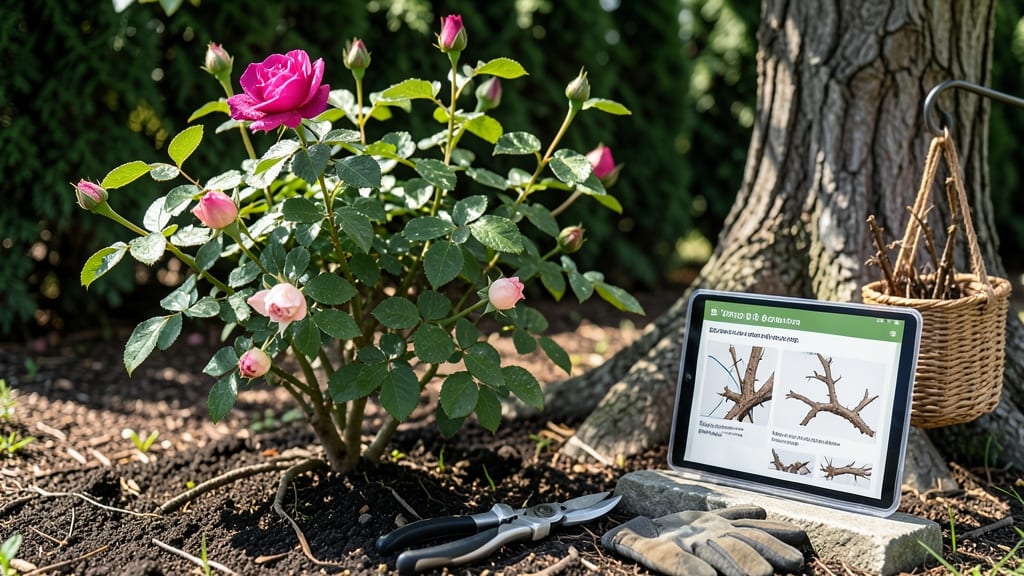
Pruning roses in Louisiana at the right time keeps your 🌹 blooms lush and disease-free while avoiding the humidity’s worst traps.
Ever watched your favorite rosebush languish after a spring trim, only to see black spot fungus creep in? That’s what happens when you prune too early in Louisiana’s damp climate. The key is timing it just as the last frost passes—usually by mid-February—but before the heat peaks.
Louisiana’s 8a-9b zones demand a different approach than cooler regions. Hybrid teas and climbers need a hard prune in late winter, while repeat-bloomers get a lighter touch after their first flush.
Below, I’ll walk you through the exact schedule, tools, and tricks to keep your roses thriving without inviting fungal trouble.
You’ll discover how to sterilize your shears, spot dead wood, and even prune for airflow—all tailored to our sticky summers. No more guesswork, just stronger stems and more blooms all season.
Louisiana rose pruning calendar: month-by-month deadlines for zones 7-9
Louisiana’s warm winters and humid summers create a unique challenge for rose pruning. Pruning at the wrong time can stress your plants and invite black spot fungus, while perfect timing ensures vibrant blooms and healthy growth.
Since Louisiana spans USDA Zones 7-9, this schedule accounts for mild winters and long growing seasons.
I’ve tailored this calendar for hybrid teas, climbing roses, and native varieties like the Cherokee Rose. The key is balancing disease prevention with growth stimulation—especially critical in Louisiana’s high humidity.
⚠️ Pro Tip: Always sterilize your pruners with rubbing alcohol or a 10% bleach solution before and after pruning to prevent spreading fungal spores. Louisiana’s climate makes this non-negotiable!
For climbing roses, delay heavy pruning until late winter (February) to preserve flower buds formed on old wood. Louisiana’s mild winters mean you’ll often see buds swelling by January, so hold off until you’re sure frost isn’t coming.
If you’re growing native roses like the Cherokee Rose, prune lightly in late winter (February) to shape the plant. These varieties are disease-resistant but still need airflow to thrive in Louisiana’s humid summers.
After pruning, apply a 2-inch layer of mulch around the base to retain moisture and regulate soil temperature. In Louisiana’s heat, mulch also reduces weed competition, which can stress your roses.
🌹 Key Reminder: Never prune when roses are under stress (e.g., during drought or extreme heat). Louisiana’s summers can push plants
How to prune roses in Louisiana: step-by-step technique for disease prevention
Louisiana’s humid climate turns rose pruning into a delicate balance—too early, and you risk fungal diseases like black spot; too late, and your roses miss their peak blooming season. The key is timing cuts to align with the plant’s natural growth cycle while keeping airflow maximized to prevent moisture buildup.
I’ve pruned roses here for over a decade, and these steps have kept my hybrid teas and climbing varieties thriving year after year.
Before you grab your shears, remember: sterilize tools with rubbing alcohol or a 10% bleach solution to avoid spreading pathogens. Louisiana’s heat and humidity create the perfect storm for rose diseases, so cleanliness isn’t optional—it’s non-negotiable.
Now, let’s dive into the step-by-step technique that’s saved my roses from winter dieback and summer wilting.
Step-by-Step Rose Pruning for Louisiana’s Climate
-
Step 1: Prune in Late Winter (Feb 15–March 15)
Cut back dead or diseased wood first—look for brown, brittle stems with no green underneath. For hybrid teas, reduce canes by ⅓ to ½ to encourage bushier growth. -
Step 2: Remove Crossing Branches (March–April)
Eliminate rubbing branches to improve air circulation. Aim for an open vase shape—this reduces humidity pockets where fungi thrive. -
Step 3: Deadhead Spent Blooms (Spring–Fall)
Snip off wilted flowers just above a 5-leaf cluster. This redirects energy to new growth and prevents seed formation, which drains the plant. -
Step 4: Light Summer Trim (June–July)
Trim overly long canes to maintain shape. Avoid heavy pruning in summer—it stresses plants in Louisiana’s heat. -
Step 5: Post-Bloom Cleanup (Fall)
Remove diseased leaves and weak stems in October. Stop pruning by November 1 to let roses harden off before winter.
Identifying dead wood vs. healthy growth is where most gardeners stumble. Dead wood is hollow, brown, and snaps easily—like a dry twig. Healthy canes are green inside with a slight bend (not brittle).
Pro tip: Scratch the bark—if it’s green underneath, it’s alive; if it’s brown and mushy, it’s dead. Never leave dead wood attached; it’s a disease magnet in Louisiana’s damp air.
After pruning, apply a copper fungicide spray (like Bonide Copper Fungicide) to protect fresh cuts. Mulch with 2–3 inches of pine bark to retain moisture and suppress weeds, which compete for nutrients.
Water deeply in the morning to let foliage dry quickly—wet leaves overnight are an open invitation to black spot fungus.
For repeat-blooming roses (like Knock Out® roses), deadhead weekly during bloom season to encourage continuous flowers. Climbing roses, however, need less aggressive pruning—focus on shaping and removing old, woody canes to keep them vigorous.
With these steps, your roses will reward you with bold blooms and minimal disease all season long.