
How To
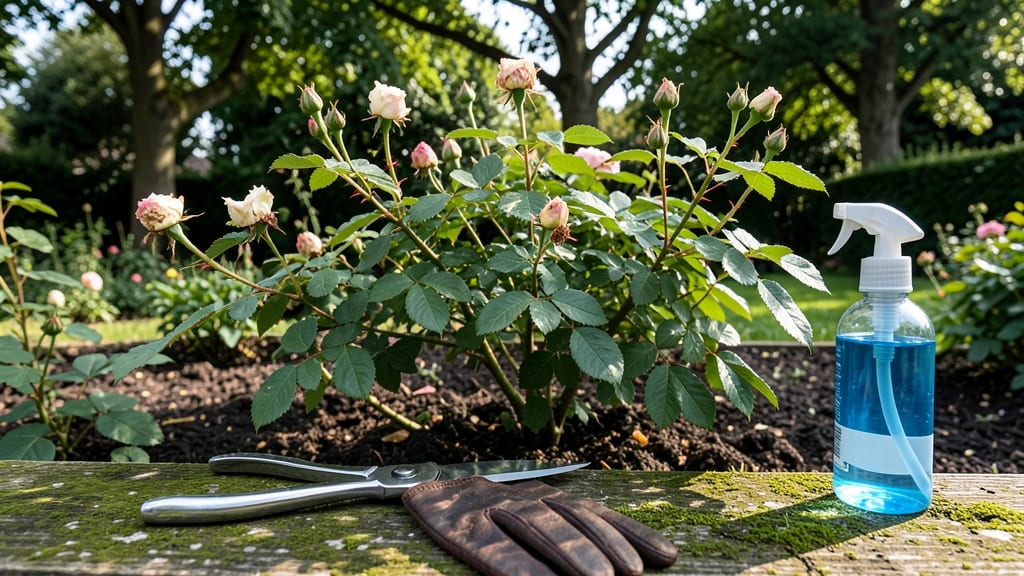
Pruning rose bushes back at the right time is the key to vibrant blooms and a healthier plant 🌹 — and getting it wrong can leave you with sparse flowers or worse.
If you’ve ever watched your rose bushes struggle after a late-winter trim or fail to bloom as expected, you’re not alone. The secret isn’t just when to prune—it’s understanding how your climate, rose type, and even last year’s growth affect the timing.
Most gardeners know late winter or early spring is ideal, but climbers, ramblers, and repeat-blooming varieties have their own rules. In Zone 6a, that means pruning between March and April—but push it too early, and you risk frost damage or missed blooms.
Below, I’ll break down the exact windows for your rose type, how to spot the perfect moment, and the 5 mistakes that sabotage even the best-intentioned pruners.
Best months to prune rose bushes for maximum blooms & health
Timing your rose pruning correctly is the difference between lush, repeat-blooming roses and struggling plants with sparse flowers. The best time to prune most rose bushes is during their dormant season, typically in late winter or early spring before new growth begins.
This timing removes dead wood, shapes the plant, and encourages strong spring blooms—but regional climates and rose types can shift this window slightly.
For example, in USDA Zone 6a (like much of the Midwest), pruning in March or early April gives roses time to recover before summer heat. However, in warmer climates (Zones 8-10), you might prune in late winter or even early fall to avoid stressing the plant during peak heat.
Understanding your local frost dates and rose variety is key to avoiding common mistakes like pruning too early, which exposes roses to frost damage.
Pruning in late winter or early spring (before buds swell) is ideal for most roses because it removes dead, diseased, or crossing branches while the plant is dormant. This reduces the risk of fungal infections and allows energy to focus on new growth.
For example, hybrid tea roses benefit from this timing because their blooms form on current season's growth, so early pruning sets them up for a strong start.
However, climbing roses and ramblers often require a different approach. These varieties bloom on old wood, so heavy pruning in late winter can remove next year’s flowers. Instead, prune them in early spring (March-April) or even late winter only if they’re overgrown.
Light pruning in fall (October-November) to remove dead wood is safer for these types.
In warmer climates (Zones 8-10), roses may not fully dormancy in winter, so pruning in late winter (February) is safer than in colder regions. The key is to prune when the plant is dormant but before new growth starts.
For instance, in Southern California, pruning in late February avoids the heat stress of summer pruning while still giving roses time to recover before the growing season peaks.
If you miss the late winter/early spring window, you can still prune in summer (June-July), but only to deadhead spent blooms. Never prune major branches in summer, as this can stimulate tender new growth that’s vulnerable to heat stress or pests.
For example, cutting back a hybrid tea rose in July might produce a few blooms but weakens the plant for the rest of the season.
Fall pruning is controversial—some gardeners prefer it for light cleanup, while others avoid it entirely. If you choose to prune in fall (October-November), do so 6-8 weeks before first frost to allow wounds to heal.
This timing helps remove diseased wood that could harbor pathogens over winter, but avoid heavy pruning, which can stimulate new growth that won’t survive frost.
Regional adjustments matter! In
How to identify the perfect pruning window for your rose type
Not all roses bloom on the same schedule, so their pruning windows vary dramatically. Hybrid teas and grandifloras need aggressive pruning in late winter, while climbing roses and ramblers bloom on old wood and should only be lightly pruned after flowering.
Understanding your rose type's growth habit is the first step to timing pruning perfectly for vibrant blooms and disease resistance. 🌹
Start by checking your local last frost date—most roses need to be pruned 4-6 weeks before new growth begins. For USDA Zone 6a (like my garden), that’s typically mid-March to early April.
However, if you live in a warmer climate (Zone 8+), you might prune as late as February. Always wait until the dormant season ends to avoid shocking your plant. ✂️
| Rose Type | Pruning Window | Key Signal to Watch | Notes |
|---|---|---|---|
| Hybrid Teas | Late winter (Zone 6a: March) | Bud swell begins | Bloom on new wood; prune 1/3 of plant height |
| Climbing Roses | After flowering (June-July) | Blooms fade completely | Bloom on old wood; minimal pruning |
| Shrub Roses | Early spring (February-March) | Leaf buds swell | Repeat bloomers; prune 1/2 of plant height |
| Rambling Roses | Immediately after flowering (July-August) | Seed pods form | Never prune old wood; focus on new growth |
| Floribundas | Late winter (March) | New shoots emerge | Cluster bloomers; prune 1/2 of plant height |
Pay close attention to your roses’ dormancy signals. In late winter, look for leaf buds that begin to swell—this is your cue that the plant is waking up. For hybrid teas, these buds appear as tiny green bumps along the canes.
If you prune too early, you risk cutting off next season’s blooms. For climbing roses, wait until after the first flush of flowers has fully faded before trimming. 🌱
Local climate plays a huge role. In colder regions (Zone 5 or below), prune after the last frost to avoid frost damage. In milder climates (Zone 8+), you can prune as early as January.
Always check the weather forecast—if a late frost is predicted, delay pruning by a week. Over-pruning in cold snaps can shock the plant and invite black spot disease. ☀️
For repeat-blooming roses like floribundas, a second light pruning in mid-summer (after the first bloom cycle) encourages a second flush of flowers. Trim back 1/3 of the oldest canes to stimulate new growth.
This technique works best when combined with balanced fertilization (like my 10-10-10 NPK mix) applied in early spring. ✂️
Finally, observe your roses’ growth patterns over time. If your shrub roses bloom heavily in spring but fade by summer, they’re likely once-blooming types and should be pruned in late winter.
If they keep producing flowers all season, they’re repeat bloomers and need two pruning sessions: once in spring and again in summer. Adjust your schedule based on what works best for your specific varieties. 🌿