
How To
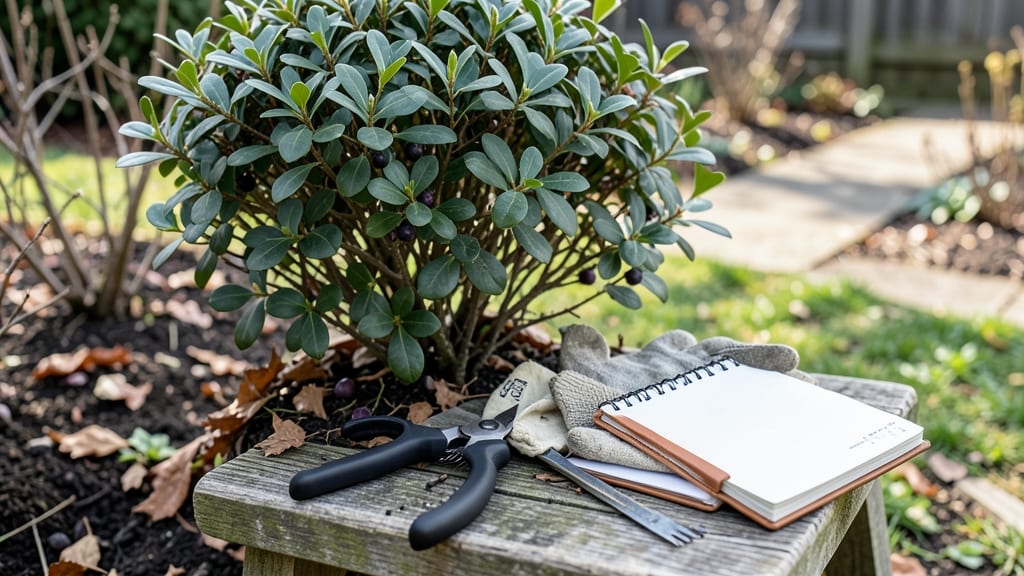
Pruning privet at the right time ensures a healthier hedge that grows fuller and stays pest-resistant 🌿 — and the best window is just before new growth starts in late winter or early spring.
Picture this: You’ve spent months shaping your privet, only to watch it wither after a summer trim or struggle to bounce back from a late-season cut. That’s because timing matters more than technique when it comes to this hardy shrub.
In USDA Zone 6a, the ideal time to prune is between late February and early April, when the plant is still dormant but ready to burst into growth. This gives you 3-4 weeks to shape it before the heat of summer stresses the new shoots.
Below, I’ll walk you through the exact steps, tools, and what to avoid—so you can keep your privet looking its best without risking damage.
Optimal pruning seasons for privet: spring vs fall timing explained
Pruning your privet hedge at the right time ensures healthy growth and a neat appearance. Unlike some shrubs, privet responds best to seasonal pruning, with two key windows: late winter/early spring and late summer/early fall.
Each season offers unique benefits, but timing matters—cut too early or late, and you risk stressing the plant or inviting pests. Let’s break down the best times, climate considerations, and growth impacts to help you decide.
Your privet’s growth cycle drives the ideal pruning schedule. In spring, the plant awakens from dormancy, making it resilient to hard pruning (cutting back up to one-third of the plant). Fall, however, is about light shaping and preparing for winter.
Understanding these differences helps you avoid over-pruning or stunted growth, both of which weaken your hedge’s structure. Let’s compare the two seasons in detail.
Spring pruning is my top recommendation for most gardeners because it aligns with the privet’s natural growth surge. When you prune in late winter or early spring (after the last frost date in your area), you’re encouraging new, vigorous growth for the entire season.
For example, in USDA Zone 7, this typically means pruning between March and April. The key is to act before buds swell—this ensures your cuts heal quickly and the plant can focus energy on recovery.
In fall, the goal shifts from revitalization to maintenance. Pruning too late in the season—especially in cold climates—can leave your privet vulnerable to winter dieback. Aim to finish pruning 6-8 weeks before the first frost.
In Zone 6, this might mean pruning by mid-October, while Zone 9 gardeners have until November. Fall pruning is ideal for light touch-ups, like trimming back overgrown branches to maintain shape without stressing the plant.
Avoid pruning privet in late winter (before frost risk passes) or summer (June-August). Late winter cuts expose new growth to frost damage, while summer pruning can stimulate tender shoots that won’t harden off before winter.
Both scenarios weaken the plant and invite pests or disease. Instead, stick to the spring or fall windows for the best results.
Your privet’s size and growth rate also influence pruning frequency. Dwarf varieties (3-5 ft tall) need annual pruning to maintain shape, while standard privet (10-15 ft) can handle biennial pruning. If you notice bare spots or uneven growth, a spring pruning will encourage denser foliage.
For flowering privet (like Ligustrum sinense), wait until after blooming to prune—this prevents removing next year’s flowers.
Use the right tools to make clean cuts: sharp bypass pruners for small branches and a hedge trimmer for larger hedges. Always cut at a 45-degree angle just above a leaf node to promote healing.
After pruning, apply a balanced fertilizer (like 10-10-10) to support new growth. In spring, this boosts recovery; in fall, it prepares the plant for dormancy.
Climate plays a huge role in timing. In mild climates (Zones 8-10), you can prune privet year-round with minimal risk, but spring is still best for shaping.
In cold climates (Zones 4-5), wait until after the last frost in spring and prune early fall to avoid winter stress. For example, in Chicago
Step-by-step privet pruning guide by season: what to do and when
Pruning your privet hedge isn’t just about shaping—it’s about revitalizing growth and preventing disease. The best time to prune depends on your climate and goals, but timing matters more than you might think.
Cut at the wrong moment, and you risk stunted growth or even dieback. Let’s break down the seasonal pruning schedule that keeps your privet thriving.
Privet responds best to structured pruning in early spring and late fall, with occasional summer maintenance for shape. Spring pruning encourages new growth, while fall prep helps the plant overwinter safely.
I’ll walk you through each season’s steps, including tools needed and safety tips to avoid common mistakes.
When to Prune Privet: Seasonal Timeline
- Late Winter/Early Spring (Feb-Mar) – Best time for hard pruning to shape and revitalize growth. Trim 1/3 of old growth to encourage dense foliage.
- Spring (Apr-May) – Light maintenance to remove dead or crossing branches. Avoid heavy cuts to prevent sunburn on new shoots.
- Summer (Jun-Aug) – Minimal pruning only for shape correction. Never cut into old wood—it won’t regrow.
- Fall (Sep-Oct) – Light pruning to prepare for dormancy. Remove weak or diseased branches before first frost.
- Avoid Winter (Nov-Jan) – Dormant pruning stresses the plant. Only prune if necessary for safety (e.g., dead branches).
For spring pruning, start as soon as the last frost has passed in your USDA Zone 6a (or equivalent). Use sharp bypass pruners to make clean cuts at a 45-degree angle, just above a bud or leaf node.
This encourages compact, bushy growth instead of leggy stems. I like to prune on a dry, sunny morning when the plant is fully hydrated—this reduces stress.
In fall, focus on sanitation rather than shaping. Remove any yellowing or diseased leaves and thin out crowded branches to improve air circulation. This helps prevent fungal infections during winter.
If you’re in a mild climate, you can prune lightly into early winter, but avoid heavy cuts—privet needs time to harden off before dormancy.
If your privet looks overgrown or leggy, don’t panic—just space out pruning over 2-3 years. For example, cut back 1/3 of the oldest growth in Year 1, another 1/3 in Year 2, and finish with light maintenance in Year 3.
This method prevents shock while still giving you a neat, dense hedge. Always step back and visualize the shape before making cuts—privet responds well to structured pruning.
Safety is key: Wear gloves and eye protection—privet thorns are sharp! Also, sterilize your tools with rubbing alcohol between cuts to prevent spreading disease. After pruning, water deeply and apply a balanced fertilizer (like 10-10-10) to support new growth.
With the right timing and technique, your privet will reward you with year-round greenery and minimal pests.