
Pruning
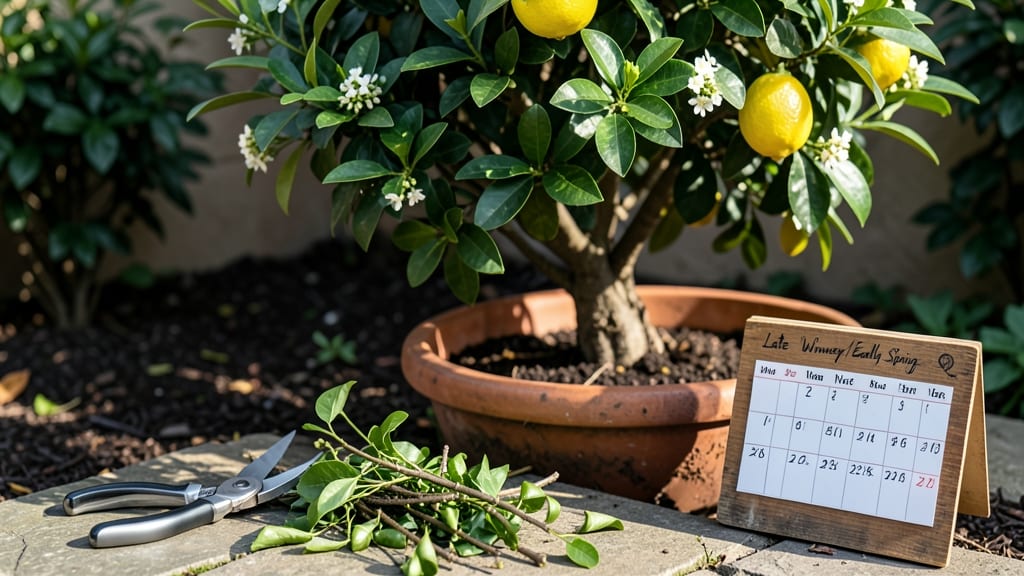
Pruning your lemon tree in California at the wrong time can turn a healthy harvest into a struggle—so knowing the exact months and seasonal triggers is the key to success.
Picture this: You’ve just spent months nurturing your 🍋 lemon tree, only to prune it too late and watch your fruit yield shrink. Or worse, prune too early and risk frost damage in inland zones.
The timing isn’t just about the calendar—it’s about reading your tree’s signals and aligning them with California’s microclimates.
From coastal USDA Zone 10 to inland Zone 9b, the best window for pruning shifts slightly. Late winter to early spring is your sweet spot, but there’s more to it than just the months.
You’ll learn how to spot the perfect cues—like leaf color, new shoot growth, and even the position of the sun—to decide when your tree is ready.
In this guide, I’ll break down the exact months, the tools you’ll need, and the 3 common mistakes that could harm your tree. Whether you’re a first-time grower or a seasoned gardener, these tips will help you prune like a pro and keep your lemon tree thriving year-round.
Best pruning months for California lemon trees: seasonal timeline
Pruning your California lemon tree at the right time ensures healthy growth and abundant fruit. Unlike temperate climates, California’s mild winters and year-round growing season create unique pruning windows.
The best time to prune is during the dormant season, typically late winter to early spring, before new growth begins. This aligns with the tree’s natural cycle and minimizes stress.
For most of California—especially coastal zones (USDA 10-11)—pruning in February or March is ideal. Inland areas with cooler winters (USDA 9) may benefit from pruning as early as January to avoid late frost damage.
Container-grown trees, which are more vulnerable to temperature swings, should be pruned slightly earlier to encourage spring flush before summer heat arrives.
Timing your prune with the tree’s bloom cycle is critical. Lemon trees bloom in spring and fall, and pruning too late can remove potential flower buds. Aim to finish pruning by late April to allow time for new shoots to harden before summer’s peak heat.
This balance ensures your tree enters dormancy with strong branches and minimal disease risk.
🌱
Understanding your local frost risk is non-negotiable. Inland areas like the Central Valley or San Joaquin Valley can experience light frosts in December or January. Prune after these frosts to avoid exposing fresh cuts to cold, which can invite bacterial infections.
Coastal gardeners, however, can prune later since frost is rare. Use a frost-free date map (like from the USDA) to guide your timing.
Light pruning for shape and size control can occur in summer or fall, but avoid heavy cuts during these seasons. Summer pruning should be minimal—focus on removing water sprouts or dead branches—to prevent stress during peak heat.
Fall pruning (September–October) is risky unless you’re in a mild microclimate like Southern California, where temps stay above 50°F at night. Even then, limit cuts to 10-15% of the canopy.
If you missed the optimal window, don’t panic. Lemon trees are resilient, but prune lightly in late spring (May) if needed, focusing on dead wood or crossing branches. Avoid heavy pruning in summer, as it can stunt flowering and reduce next year’s yield.
Always prioritize tree health over aggressive shaping—your lemon tree will thank you with juicier fruit and faster regrowth.
Pro tip: Mark your pruning calendar with three key dates—your last frost date, the start of bloom season, and the peak heat period. This ensures you never prune at the wrong time.
For container trees, also note when you’ll repot or fertilize, as these tasks should follow pruning by 4-6 weeks to avoid shocking the tree.
✂️
How to identify the perfect pruning triggers for lemon trees
Pruning your lemon tree at the right time ensures vibrant growth and a bountiful harvest, but California’s diverse microclimates can make timing tricky. Unlike other plants, lemon trees respond best to pruning when they’re transitioning from dormancy to active growth—typically in late winter or early spring.
However, visual cues like leaf color and new shoot growth often provide clearer signals than calendar dates alone.
In coastal regions like San Diego or Santa Barbara, where frost is rare, you might spot fresh green shoot growth as early as January. Inland areas like Sacramento or Fresno, with cooler winters, may need to wait until February or March when temperatures stabilize above 50°F (10°C).
Paying attention to these regional differences helps avoid stressing your tree during unexpected cold snaps.
🌱 5 Key Pruning Triggers for California Lemon Trees
- 1. Dormant Season End: Prune when 90% of leaves remain green and no new frost is forecasted (typically February-March inland, January-February coastal).
- 2. New Shoot Growth: Look for 1-2 inch (2.5-5 cm) green shoots emerging from branches—this signals the tree is waking up. Wait 1-2 weeks after spotting these to prune.
- 3. Leaf Color Shift: Healthy leaves turn from dull green to vibrant green as growth resumes. Avoid pruning if leaves appear yellow or brown (sign of stress).
- 4. Flower Bud Formation: Prune before buds appear (late winter) to encourage stronger flowering and fruit set. Post-bloom pruning reduces yield.
- 5. Post-Harvest Timing: If pruning after harvest, do so 4-6 weeks later to allow the tree to recover. Never prune during peak fruit production (May-July).
One of the most common mistakes I see is pruning based solely on the calendar, ignoring the tree’s actual readiness. For example, a lemon tree in Los Angeles might be ready in January, while one in Bakersfield could need to wait until March.
Always check for new shoot growth—this is your best indicator that the tree is prepared for pruning.
Another critical trigger is the absence of frost risk. Inland California regions like the Central Valley can experience late frosts in January or February. Prune too early, and you risk damaging tender new growth.
Use your local USDA hardiness zone map (typically Zones 9-11 for lemons) as a guideline, but prioritize visual cues over dates.
For container-grown lemon trees, which are common in urban California gardens, prune when you notice roots circling the pot or leaves touching the container edges. These signs indicate the tree is root-bound and needs pruning to promote aeration and new growth.
Pair this with a light fertilizer application post-pruning to support recovery.
Remember, lemon trees are evergreen, meaning they don’t shed all their leaves in winter like deciduous trees. Instead, focus on leaf health and shoot growth—these are your green light to prune.
If your tree looks stressed or diseased, prune immediately to remove affected areas, but time other cuts to align with the optimal late-winter window.