
Pruning
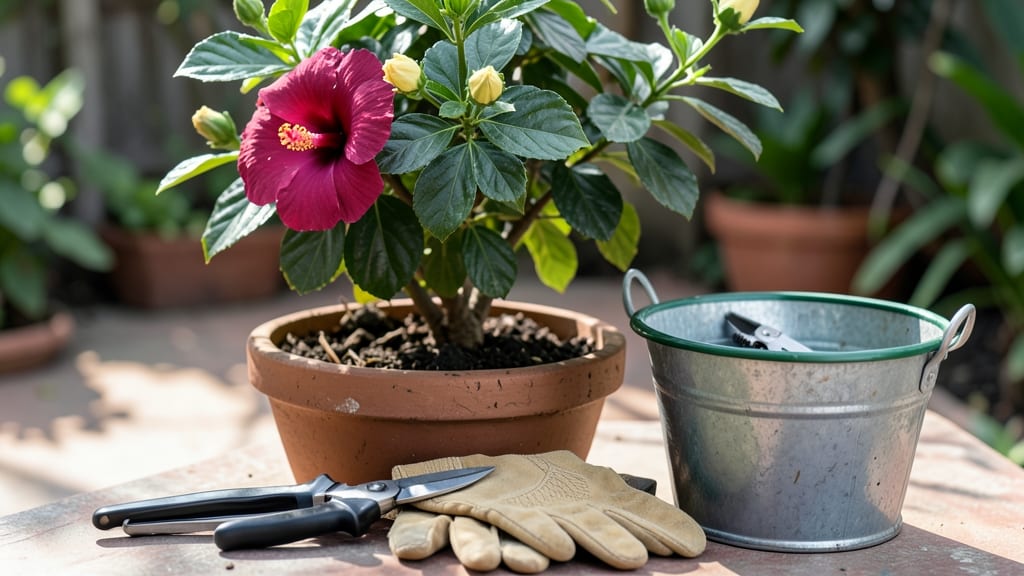
Pruning hibiscus in Florida at the right time keeps your 🌸 blooming nonstop—late winter or early spring, just as new growth starts.
Struggling to keep your Florida hibiscus blooming year-round? The secret lies in precise pruning timing—do it too early, and you lose flowers; too late, and you risk winter damage. Here’s the exact schedule Florida gardeners swear by.
Florida’s frost-free climate means you can prune almost any month, but the best window is late February to March, when the plant wakes up from its dormant phase. This timing ensures you remove dead growth without cutting off next season’s buds.
Below, I’ll walk you through the step-by-step process, including how to spot the perfect moment to prune, what tools to use, and how to care for your hibiscus afterward for maximum blooms all year.
Best pruning seasons for Florida hibiscus: month-by-month guide
Pruning your Florida hibiscus at the right time ensures year-round blooms while protecting it from winter chill. Unlike northern climates, Florida’s tropical zones (9a-11) allow pruning almost year-round—but timing still matters.
Cut too early, and you’ll sacrifice spring flowers; wait too long, and cold snaps can damage new growth. Here’s the exact schedule Florida gardeners use to keep their hibiscus thriving.
Most hibiscus varieties in Florida bloom continuously with proper care, but they need strategic pruning to maintain shape and encourage new flower buds. The two best windows are late winter/early spring (before new growth starts) and early fall (to prepare for cooler months).
However, Florida’s microclimates—like coastal humidity vs. inland dryness—can shift ideal timing slightly. We’ll break it down by month so you never miss a beat.
⚠️ Critical Note: Florida’s hard freezes (below 32°F) are rare but possible in north Florida (Zone 8b). If frost is forecasted, delay pruning until after the last frost date (typically mid-March). In South Florida (Zones 10a-11), you can prune year-round with minimal risk.
For North Florida gardeners (Zones 8b-9a), focus on late February to early March pruning to avoid late-winter frosts. In these areas, hibiscus can suffer cold damage if pruned too early, leaving them vulnerable to freeze-related dieback.
Always check your local frost dates—some inland areas of Panhandle Florida can drop below freezing even in March.
In Central and South Florida (Zones 10a-11), you have more flexibility. Prune year-round with caution, but prioritize February and September for best results. South Florida’s warmer winters mean hibiscus stays active longer, so avoid heavy pruning after October 15 to prevent unexpected cold snaps from stunting new growth.
After pruning, always sanitize your tools with rubbing alcohol to prevent bacterial spread. Use sharp bypass pruners for clean cuts, and avoid tearing branches, which invites disease. For large hibiscus shrubs, consider
How to prune hibiscus for maximum blooms: step-by-step technique
Pruning your Florida hibiscus isn’t just about shaping—it’s about stimulating new growth and encouraging non-stop blooms. The key is removing the right branches at the right time using the correct technique. Over-pruning can stress your plant, while under-pruning leads to leggy, sparse growth.
Let’s break it down into simple, actionable steps to keep your hibiscus thriving.
Start by gathering your pruning tools. You’ll need sharp bypass pruners for clean cuts and sterilized shears to prevent disease spread. Avoid dull tools—they crush stems and invite infections. Disinfect blades with rubbing alcohol between cuts, especially if your hibiscus shows signs of disease.
Florida’s humid climate makes this extra important.
Step-by-Step Pruning Technique
-
Step 1: Identify Dead or Diseased Branches
Remove yellowing leaves, brown stems, or branches with black spots. Cut back to healthy green tissue at a 45-degree angle.
-
Step 2: Prune for Shape and Airflow
Trim crossing branches and overcrowded growth to improve airflow. Aim for an open, rounded shape—this lets sunlight reach inner buds.
-
Step 3: Cut Back Old Wood
Look for woody stems (thicker than a pencil). Prune these back by one-third to encourage new, flowering branches from the base.
-
Step 4: Encourage Bushier Growth
Trim the tips of new growth to prompt side shoots. This creates a fuller, more compact plant with more bloom sites.
-
Step 5: Deadhead Spent Blooms
Snip off wilting flowers just above the next set of leaves. This redirects energy to new buds instead of seed production.
-
Step 6: Clean Up and Fertilize
Remove all pruned debris from the base and apply a balanced fertilizer (10-10-10) to support recovery. Water deeply afterward.
Timing your cuts matters just as much as where you cut. In Florida’s climate, the best time to prune is late winter or early spring (February-March) before new growth begins.
This gives your hibiscus time to recover before the summer heat sets in. Avoid pruning in fall—it can leave your plant vulnerable to cold snaps, even in frost-free zones.
After pruning, monitor your hibiscus closely. New shoots should appear within 2-3 weeks if done correctly. If you notice yellow leaves or stunted growth, you may have pruned too aggressively.
In this case, reduce watering slightly and apply a low-nitrogen fertilizer to help recovery. Patience is key—your hibiscus will bounce back with vibrant blooms in 6-8 weeks.
Pro tip: Take a before-and-after photo of your pruned hibiscus. Compare it to your plant’s progress in 3 months—you’ll see the difference in bushiness and bloom quantity. With this technique, your Florida hibiscus will reward you with continuous color from spring through fall. 🌸