
Pruning
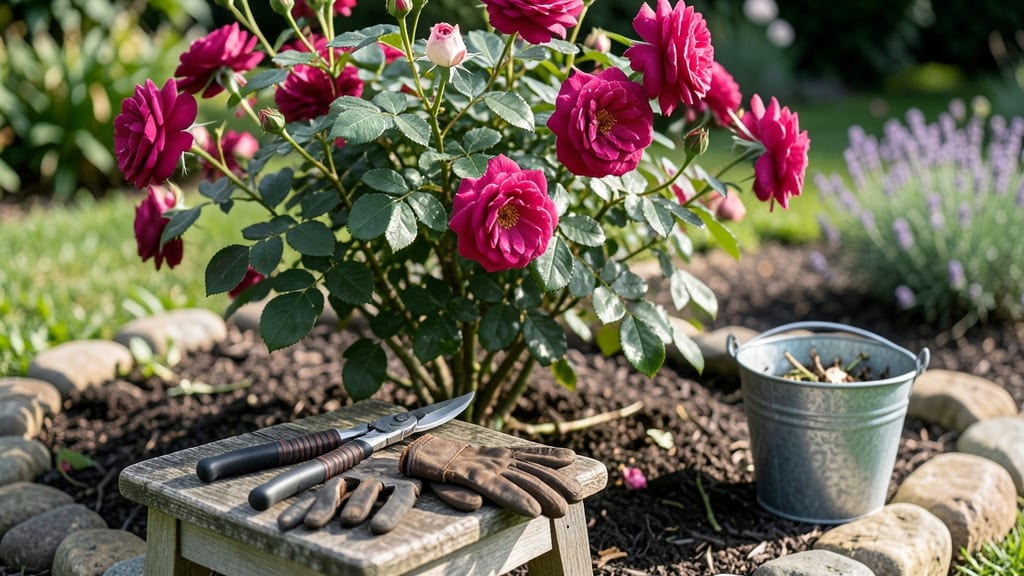
Pruning forever roses in late winter unlocks their secret to nonstop summer blooms—and I’ve learned the hard way that timing is everything. ✂️ One year, I pruned too early and lost weeks of growth; another year, I waited too long and missed the first flush of flowers.
The difference between a bush covered in blooms and one struggling to recover comes down to when you make those cuts.
For most climates, late winter—just as buds swell but before new growth starts—is the sweet spot. In colder zones, wait until after the last frost when the ground thaws; in milder areas, aim for February or early March.
The goal is to shape the plant without shocking it into early growth that could get nipped by frost. You’ll also remove dead wood and crowded stems, which lets sunlight and air reach the center—key for disease prevention and vigorous blooming.
After pruning, your rose should look like an open vase, with branches spaced evenly and no bare spots. The first flush of blooms arrives in 6-8 weeks, and with proper care, your forever roses will keep producing flowers until frost.
Just avoid heavy fertilizing right after pruning—let the plant focus on growing new stems first.
If you live in a warm climate where roses grow year-round, prune lightly in late winter and again in early summer to encourage a second flush. The key is always to prune when the plant is dormant but ready to wake up—never when it’s stressed by cold or heat.
That’s how you get those neighborhood-envy blooms all season long.
📚 In This Guide
- What you need
- Instructions
- Tips and common mistakes
- Wrapping up and next steps
What you need
- ● Pruning shears: Bypass pruners (sharp, 6–8-inch blades) for clean cuts on smaller stems.
- ● Loppers: Long-handled (24–36 inches) for thicker branches (up to 2 inches in diameter).
- ● Pruning saw: Curved-tooth or folding saw for stubborn, thick stems (2+ inches).
- ● Disinfectant: Rubbing alcohol (70%+), bleach solution (1:9 bleach:water), or pruning sealant to sterilize tools between cuts.
- ● Gloves: Heavy-duty, cut-resistant (e.g., leather or synthetic mesh) to protect from thorns.
- ○ Pruning paint/sealant: Optional but helpful for larger cuts (e.g., Tanglefoot Pruning Seal) to prevent disease.
- ● Garden twine or plant ties: 3–4mm diameter for securing heavy stems post-pruning.
- ● Trash bags or bucket: For collecting debris (aim for 20+ gallons if pruning multiple bushes).
- ● Dry, calm day: Avoid pruning if rain is forecasted within 24 hours (wet conditions spread disease).
- ● Temperature: Ideal range: 40–60°F (4–15°C). Cooler temps reduce stress on the plant.
- ● Sun protection: Wide-brim hat, sunglasses, and sunscreen for extended outdoor work.
- ● First aid kit: Bandages, antiseptic wipes, and tweezers for minor thorn pricks.
Step-by-Step guide to pruning forever roses for continuous blooms
Here’s the method I’ve used for years to keep my roses flowering nonstop—timing is everything.
⏰ Step 1: Time Your Prune for Late Winter Dormancy
Prune your forever roses in late winter, just as buds begin to swell but before new growth starts. In most climates, this means February or early March—after the worst cold snaps but before spring warmth triggers growth. You’ll know it’s time when you see tight, plump buds forming along the stems, but no leaves have emerged yet.
Never prune in fall or early winter—you’ll cut off next year’s blooms. And don’t wait until spring either; late pruning delays flowering and stresses the plant. If you missed the window, wait until after the first flush of blooms in spring, but expect fewer flowers that season.
✂️ Step 2: Remove Dead, Diseased, or Crossing Branches First
Start by cutting out dead, diseased, or weak stems—these are the first to go. Use clean, sharp pruners to make cuts at a 45-degree angle, about ¼ inch above a healthy outward-facing bud. You’ll see these branches easily: they’re brown, mushy, or hollow inside.
Next, remove any branches that cross or rub against each other. These create wounds where disease can enter. Thin out crowded stems to improve airflow—aim for an open center. The goal here is to shape the rose bush into a vase-like form, wider at the bottom and narrower at the top.
🌿 Step 3: Cut Back Last Year’s Blooms and Overgrown Stems
Now, focus on the old wood. Forever roses bloom on new growth, so you’ll cut back last year’s stems to encourage fresh, vigorous shoots. Make your cuts just above a strong, healthy bud—never leave stubs. For each stem, count 3-5 buds from the base and cut just above the lowest one you want to keep.
If a stem is overgrown or leggy, shorten it by one-third to stimulate bushier growth. You’ll see where to cut: look for a bud that faces outward and is at least ¼ inch thick. Avoid cutting into old, woody growth—this won’t produce new blooms.
☀️ Step 4: Shape for Sunlight and Airflow
Step back and assess the shape. Your goal is to create a rounded, open bush that lets sunlight and air reach the center. If the rose looks top-heavy, trim the top stems slightly to balance it. You’ll notice how the inner branches now have better access to light—this prevents fungal issues and encourages more blooms.
Remove any suckers (shoots growing from the base) unless you’re propagating. These drain energy from the main plant. After pruning, clean up all fallen leaves and debris around the base—this reduces disease risk. A light application of rose fertilizer now will give the plant a boost as it wakes up.
🌱 Step 5: Monitor and Maintain Through Spring
Once pruned, watch for new growth—it should appear within 2-3 weeks. If growth is slow, the rose may need more sunlight or fertilizer. Deadhead spent blooms throughout the season to encourage continuous flowering. Pinch back new stems occasionally to keep the bush compact.
Here’s the thing—forever roses thrive on regular care. Water deeply once a week (more in heatwaves) and mulch around the base to retain moisture. If you see yellow leaves, it’s often a sign of overwatering or poor drainage. Adjust your routine, and your roses will reward you with nonstop blooms all summer long.
Tips & tricks for pruning forever roses
Timing and technique make all the difference when you're shaping your forever roses for that endless summer bloom show.
Timing Secret: The late winter window is your golden opportunity—look for those tight, plump buds just starting to swell but with no leaves yet. I learned this the hard way after pruning too early one year and watching my roses struggle through spring. That February/March timing is critical because it lets the plant focus all its energy on new growth instead of recovering from winter stress.
Cutting Technique: When you're making those 45-degree cuts in Step 2, aim for just above an outward-facing bud. This isn't just about aesthetics—it's about directing future growth away from the center of the plant. I always test my pruners first on a small branch to make sure they're sharp enough to create clean cuts without crushing the stems. Dull pruners can damage the plant more than you realize.
Shape Matters: That open vase shape in Step 4 isn't just for looks—it's about airflow and sunlight penetration. I've seen roses with dense centers develop fungal issues because the center never dried properly. After pruning, I always run my hand through the center to make sure I can get my fingers all the way through without touching any branches. This simple check saves so many problems later.
Post-Pruning Care: The 2-3 week window for new growth in Step 5 is your first real test of success. If you don't see fresh green shoots appearing within that time, it might mean your pruning was too aggressive or the plant needs more sunlight. I keep a small notebook by my roses to track when I prune and when new growth appears—it's become my secret weapon for predicting bloom times.
Pro Tips for When To Prune Forever Roses
- Timing and technique make all the difference when you're shaping your forever roses for that endless summer bloom show.
- Timing Secret: The late winter window is your golden opportunity—look for those tight, plump buds just starting to sw...
- Cutting Technique: When you're making those 45-degree cuts in Step 2, aim for just above an outward-facing bud. This ...
Frequently asked questions
about pruning forever roses can help clarify the best practices for keeping your shrubs thriving. Here are some of the most common queries—and their answers!What’s the best time of year to prune forever roses?
Late winter (just before new growth starts) is ideal—typically February to early March in most climates. This timing encourages strong, healthy blooms while avoiding frost damage. If you miss it, prune in early spring, but avoid cutting back after buds appear.
Can I prune forever roses in fall or winter?
No, pruning in fall or dormant winter (before late winter) can harm the plant. Fall cuts may leave wounds vulnerable to disease, and winter pruning risks exposing tender canes to frost. Always wait until after the last frost but before buds swell—that’s your sweet spot!
How much should I cut back forever roses?
Remove 1/3 to 1/2 of the plant’s height, focusing on old, weak, or crossing canes. Cut just above an outward-facing bud (use a 45-degree angle) to encourage airflow and new growth. Never leave stubs—they invite pests and disease.
What if my forever roses don’t bloom after pruning?
Check these fixes:
- Pruned too late? New growth may not have time to set buds.
- Did you cut too aggressively? Forever roses need some old wood to rebloom.
- Lacking sunlight or nutrients? Fertilize with rose-specific food and ensure 6+ hours of sun daily.
How do I prune forever roses in hot climates?
In warmer zones (like Zones 8–10), prune in early spring (January–February) to avoid summer stress. Water deeply before and after pruning, and mulch to retain moisture. Avoid heavy cuts—focus on shaping and removing dead wood to reduce water loss.
Wrapping up and next steps
Pruning your Forever roses in late winter isn’t just a chore—it’s the secret to nonstop summer blooms! 🌸 By following the right timing, tools, and techniques, you’ll encourage healthier growth, more vibrant flowers, and a bush that thrives year after year.
Remember, patience and precision are key, but the reward—a garden bursting with color—is worth every snip.
Ready to transform your roses? Grab your pruners, mark your calendar for late winter, and get pruning! For extra confidence, download our pruning checklist or join a local gardening group to share tips with fellow rose enthusiasts. Happy gardening! 🌿✨