
Pruning
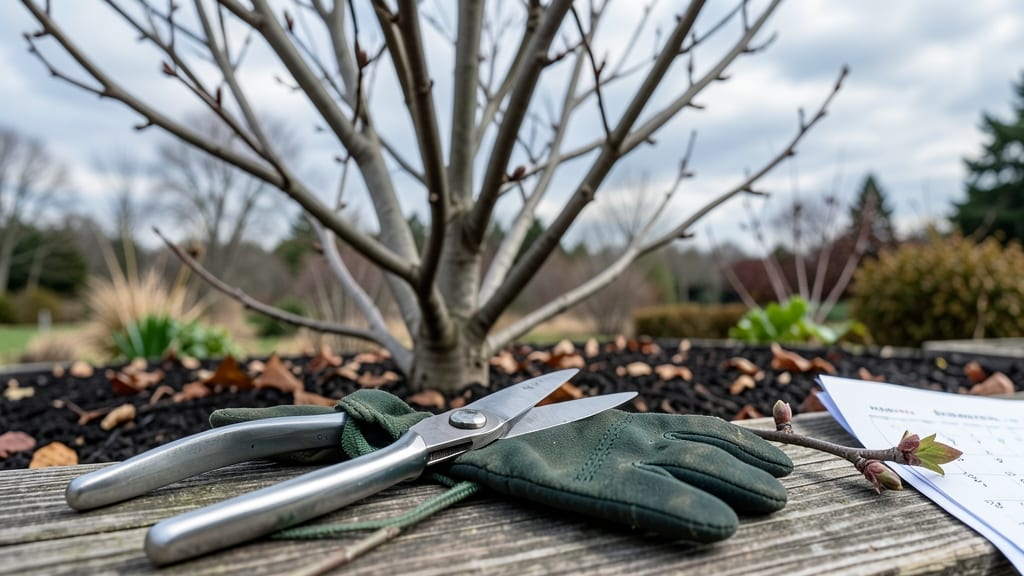
To prune a dogwood bush, aim for late winter or early spring just as new growth starts, which prevents damaging flower buds and reduces plant stress. Avoid pruning in fall or during blooming season, as this can weaken the tree and ruin its spring display.
Timing matters because dogwoods set their flower buds the previous summer, so cutting too late risks removing next year's blooms. 🌸 The ideal window—late winter to early spring—lets you shape the bush while it's dormant but before sap starts flowing heavily.
I've seen dogwoods recover poorly after fall pruning because the wounds take longer to heal in cooler months, inviting pests and diseases.
If you must prune outside this window, focus on removing only dead or diseased branches in summer—never more than 25% of the canopy at once. For best results, use sharp bypass pruners and sterilize them between cuts to prevent spreading infections.
The key is patience: a little strategic pruning now means vibrant blooms and healthier growth for years to come.
💡 In This Article
- Dogwood Pruning Timing Explained: Why Late Winter Works Best
- Step-by-Step Dogwood Pruning Guide by Season
Dogwood pruning timing explained: why late winter works best
Dogwoods set their flower buds during the previous summer, meaning any pruning after bud formation risks removing next year's blooms. The ideal late winter window—typically between February and early March in most climates—aligns with the plant's dormant phase, when it's least vulnerable.
During dormancy, the tree's energy is conserved, and pruning wounds heal faster because the sap flow remains minimal compared to spring or summer.
This timing also avoids the stress of late fall pruning, which can expose fresh cuts to prolonged cold and wet conditions. Wet, chilly weather creates perfect conditions for fungal infections like anthracnose, a common dogwood disease that thrives in damp environments.
The bark of dogwoods is relatively thin, so wounds take about 2-3 weeks to seal properly in ideal conditions—but that timeline stretches in fall's cooler temperatures, increasing susceptibility to pathogens.
What happens biologically is fascinating: when you prune in late winter, you're essentially giving the dogwood a clean slate before its active growth phase. The plant's cambium layer (the growth tissue just under the bark) is still dormant but ready to activate.
Cutting at this point stimulates new growth from the base of the cuts, promoting stronger branches. In contrast, summer pruning triggers immediate new growth that's often weaker and more prone to disease.
Consider this comparison: a dogwood pruned in June might produce vigorous but spindly growth that's susceptible to powdery mildew, whereas one pruned in February develops sturdy, well-balanced branches that support the heavy spring blooms.
The key is to prune when the plant's energy is focused on healing rather than flowering or fruiting, which happens in late winter when daylight increases but temperatures remain cool.
There's one exception to this rule: if you notice dead, diseased, or broken branches at any time, remove them immediately to prevent the spread of infection. However, even in these cases, limit yourself to no more than 10-15% of the canopy to avoid shocking the plant.
The rest should wait for the optimal late winter window when the tree can handle more extensive shaping without stress.
For visual learners, imagine the dogwood's growth cycle as a clock: 12 o'clock is the height of summer growth, 3 o'clock is fall dormancy (when you shouldn't prune), 6 o'clock is winter dormancy (safe but not ideal), and 9 o'clock is late winter—your sweet spot.
This timing ensures you're working with the plant's natural rhythms rather than against them. 🌱