
Pruning
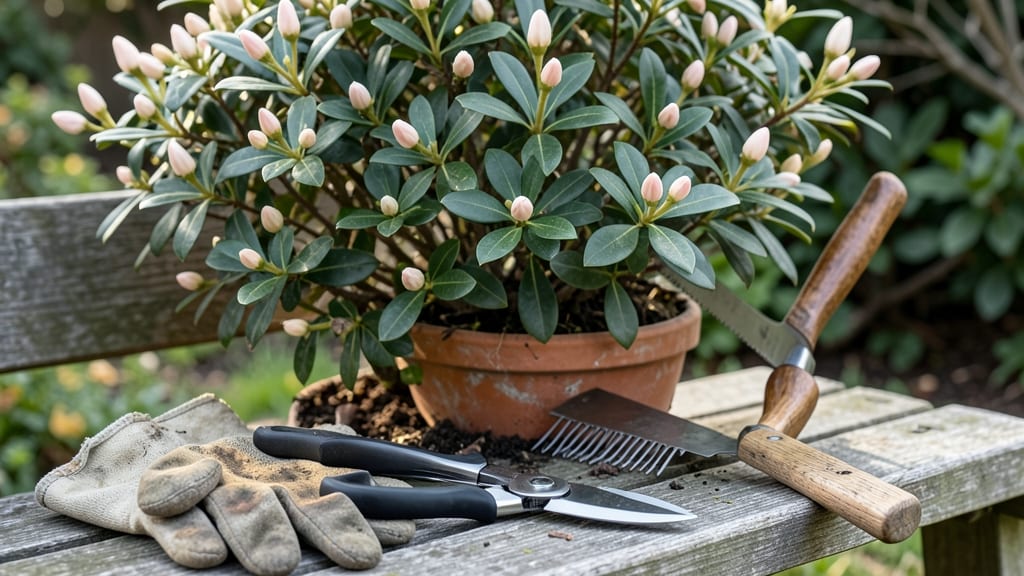
Pruning Daphne bushes should happen right after they finish blooming in late winter or early spring, as this timing prevents plant stress and preserves next year's flowers. Avoid cutting back during summer months, and limit winter trimming to just removing dead growth.
Timing matters because Daphne bushes set their flower buds in late summer and early fall, so heavy pruning during their active growing season can actually remove next year's blooms. 🌿 The plant's natural dormancy period in late winter makes it the safest time for pruning, as it's already preparing to push new growth.
I've noticed that in warmer climates (zones 7-9), you might see blooming slightly earlier, so adjust your schedule accordingly—never prune after mid-spring, as this cuts off the plant's energy reserves.
For best results, wait until all flowers have completely faded before making any significant cuts. This ensures you don't accidentally remove the stems that will produce next year's blossoms. Even light pruning should be done with clean, sharp tools to prevent tearing the delicate stems and inviting disease.
💡 In This Article
- Why Timing Matters for Daphne Bush Pruning
- Step-by-Step Guide to Pruning Daphne Bushes Safely
Why timing matters for Daphne bush pruning
Daphne bushes follow a precise growth cycle where flower buds form on old wood—last year's growth—during late summer and early fall. When you prune at the wrong time, you risk removing these buds before they mature.
The plant's natural dormancy period in late winter (typically February to early March in most U.S. zones) is when it's safest to prune, as it's already preparing to push new growth. This timing aligns with the plant's biological clock, minimizing stress and maximizing recovery.
The risks of summer pruning are significant. During active growth (spring to summer), Daphne bushes are vulnerable to stress, disease, and pest infestations.
Cutting back during this period forces the plant to divert energy from root development to healing wounds, often resulting in stunted growth or poor flowering the following year.
In my experience, summer-pruned Daphne bushes often show yellowing leaves or reduced blooms the next season—a clear sign of disrupted energy reserves. 🌱
Climate zones play a crucial role in determining the ideal pruning window. In cooler regions (zones 4-6), where winters are longer, prune in late winter as soon as the ground thaws but before new shoots appear.
In warmer zones (7-9), where blooming may start earlier, delay pruning until mid-to-late spring (after all flowers have faded) to avoid cutting off next year's buds prematurely. For example, a Daphne in zone 8 might bloom in February-March, so pruning should wait until April-May.
Here's what happens botanically: Daphne bushes produce flowers on one-year-old wood, meaning the stems that bloomed last year will carry next year's flowers. If you prune too early, you remove these stems before they've had a chance to set buds.
The plant's growth hormones (auxins) are also most active in spring, so pruning at this time encourages vigorous new growth without compromising flowering potential. 🌿
Another key factor is the plant's recovery rate. Daphne bushes have a slow-to-moderate growth habit, meaning they take longer to heal than faster-growing shrubs. Heavy pruning in summer can leave large wounds that take months to seal, increasing the risk of fungal infections like powdery mildew.
This is why even light pruning should be done with sterilized tools and only when the plant is in its dormant or post-bloom phase.
For those in transition zones (like zone 6b), pay attention to local frost dates. Prune after the last expected frost but before the plant shows signs of new growth—usually within a 2-3 week window.
This balance ensures you're not pruning too early (removing flower buds) or too late (encouraging tender new growth that could be damaged by late frosts).