
Pruning
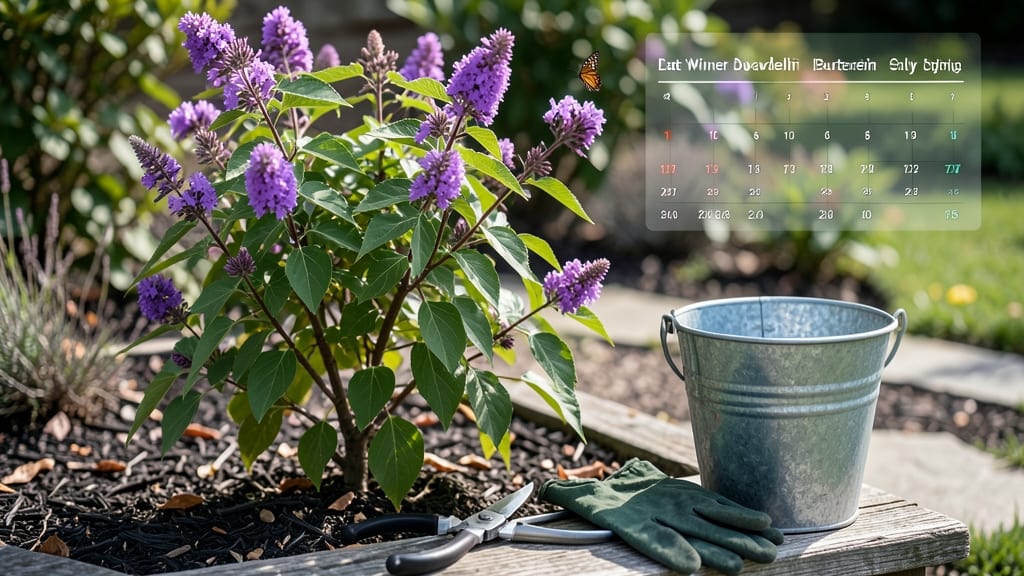
To prune a butterfly bush 🦋 in Zone 7, aim for late winter—right after the last frost but before new growth begins.
Picture this: You’ve just trimmed your butterfly bush, only to watch it sputter through the spring with half the blooms and leggy stems. That’s what happens when you prune at the wrong time, and in Zone 7, the stakes are higher—mild winters and hot summers demand precision.
Timing isn’t just about avoiding winter damage; it’s about unlocking vibrant blooms and a bush that thrives for years. Get it right, and you’ll enjoy fuller growth and longer flowering seasons—the kind that makes your garden the talk of the neighborhood.
In this guide, I’ll walk you through the exact timing for pruning, whether you’re in early spring or late winter, plus the tools and techniques to keep your butterfly bush looking its best all year.
Optimal pruning windows for butterfly bush in Zone 7: late winter vs. early spring
Timing your butterfly bush pruning in Zone 7 is everything—get it right, and you’ll enjoy vibrant blooms all summer, but prune at the wrong time, and you might stunt growth or invite pests.
Zone 7’s mild winters and hot summers create a unique window for pruning that differs from colder climates. The two best times to prune are late winter (just before buds swell) and early spring (after the last frost but before new growth).
Most gardeners swear by late winter pruning because it cleans up the bush before spring growth begins, but early spring pruning can also work if you missed the late winter window. The key difference?
Late winter pruning encourages earlier blooms by removing old wood, while early spring pruning focuses on shaping the bush and removing winter-damaged branches. Let’s break down the pros and cons of each approach for your Zone 7 butterfly bush.
| Pruning Time | Best For | Bloom Timing | Bush Shape | Winter Hardiness |
|---|---|---|---|---|
| Late Winter (Feb-March) | Removing dead wood, shaping | Earlier blooms (June-July) | Open, airy structure | Reduces winter stress |
| Early Spring (April) | Light cleanup, shaping | Slightly later blooms (July-August) | Fuller, denser growth | Minimal risk if timed right |
If you prune in late winter (typically February to early March in Zone 7), you’re cutting back the bush just as it’s emerging from dormancy.
This method removes last year’s dead wood and encourages new growth from the base, which leads to earlier and more abundant blooms in late spring or early summer. The trade-off?
You’ll sacrifice some of the bush’s natural density, but the trade-off is worth it for healthier, more vibrant flowers.
On the other hand, early spring pruning (after the last frost date, around mid-April in Zone 7) is gentler. It focuses on light shaping and removing only the most damaged branches.
This approach preserves the bush’s natural form and can result in later but slightly larger blooms in mid-to-late summer. It’s ideal if you missed the late winter window or prefer a fuller, bushier look.
Zone 7’s mild winters mean your butterfly bush may not experience the same level of freeze damage as in colder zones, but late winter pruning still helps by reducing disease risk and improving air circulation.
If you prune too early (before dormancy breaks), you risk stunting new growth or even killing tender buds. Conversely, pruning too late (after new shoots appear) can delay blooming and weaken the plant.
For maximum blooms, I recommend late winter pruning—it’s the most aggressive approach, but it pays off with earlier and more prolific flowers. Start by removing dead, diseased, or crossing branches, then cut back the remaining stems by one-third to one-half their height.
This encourages strong new growth from the base, which will flower more heavily in summer. Just be sure to sterilize your pruners with rubbing alcohol to prevent spreading disease.
If you choose early spring pruning, keep it lighter. Focus on shaping the bush and removing only the most damaged or unruly branches. Avoid heavy pruning, as this can delay flowering and leave the plant vulnerable to spring frosts.
Early spring is also a great time to fertilize lightly (use a balanced 10-10-10 fertilizer) to support new growth after pruning.
One common mistake in Zone 7 is pruning in fall, which can stimulate new growth that won’t harden off before winter. This weakens the plant and makes it more susceptible to freeze damage. Instead, wait until late winter or early spring.
Another pitfall is over-pruning, which can leave your butterfly bush looking sparse and leggy. Aim to never remove more than one-third of the bush in a single pruning session to avoid stressing the plant.
To make the most of your Zone 7 butterfly bush, mark your calendar for late February to early March for late winter pruning or mid-April for early spring pruning. After pruning, water deeply and mulch around the base to retain moisture and protect roots.
With the right timing, your butterfly bush will reward you with months of colorful blooms and a healthy, thriving shrub for years to come.
Step-by-step guide: how to prune butterfly bush for maximum blooms in Zone 7
Pruning your butterfly bush (Buddleia) in Zone 7 isn’t just about cutting branches—it’s about encouraging dense growth and longer bloom seasons. The right technique transforms a wild shrub into a neat, flowering powerhouse that attracts pollinators all summer.
Whether you’re a beginner or a seasoned gardener, follow these steps to prune like a pro and keep your bush thriving.
Before grabbing your pruning shears, gather your tools: sharp bypass pruners for clean cuts, loppers for thicker stems, and gloves to protect your hands from thorns. Disinfect your tools with rubbing alcohol to prevent disease spread between cuts.
Zone 7’s humid summers mean fungal risks are higher, so sterilization is non-negotiable. Work on a dry, sunny day to minimize stress on the plant.
- Step 1: Remove Dead or Diseased Wood
Start by cutting out any brown, mushy, or moldy stems at the base. These are energy drains and can spread disease. Look for discolored or hollow branches—these are prime candidates for removal.
- Step 2: Prune Back Last Year’s Flower Stems
Find the woody stems from last year’s blooms—they’re thicker and often darker brown. Cut these back to just above a healthy bud or lateral branch. This encourages new growth from the base, leading to fuller blooms next season.
- Step 3: Thin Out Overcrowded Branches
Look for crossing or rubbing branches—these create wounds and invite pests. Remove 1-2 older stems per cluster to improve air circulation and reduce fungal risks. Aim for an open, vase-like shape for better light penetration.
- Step 4: Shape for Balance and Height
Use your loppers to trim taller branches by 1/3 of their length to maintain a compact, bushy form. Focus on vertical stems that dominate the center—cutting these back opens up the canopy for sunlight to reach inner buds.
- Step 5: Fertilize and Mulch Post-Pruning
After pruning, apply a balanced fertilizer (10-10-10) to support new growth. Water deeply, then add 2-3 inches of mulch around the base to retain moisture and regulate soil temperature—critical in Zone 7’s hot summers.
After pruning, your butterfly bush will need extra care to recover. Water it deeply every 5-7 days until new growth appears, usually within 3-4 weeks. Avoid heavy fertilizing immediately after pruning—wait 4-6 weeks to let the plant establish new roots before feeding again.
Monitor for aphids or spider mites, which love stressed plants, and treat with neem oil if needed.
In Zone 7’s mild winters, your butterfly bush may retain some leaves or even bloom lightly. However, avoid pruning in fall—wait until late winter (February) when the plant is fully dormant.
This timing ensures you’re not removing potential flower buds that form over winter. If you prune too early, you risk stunting spring growth and delaying blooms.
With proper pruning, your butterfly bush will reward you with vibrant blooms from early summer to fall. The key is patience and precision—don’t rush the process, and always cut at a 45-degree angle just above a bud.
Soon, your garden will buzz with butterflies and hummingbirds, all thanks to your well-timed pruning efforts! 🦋🌿