
Pruning
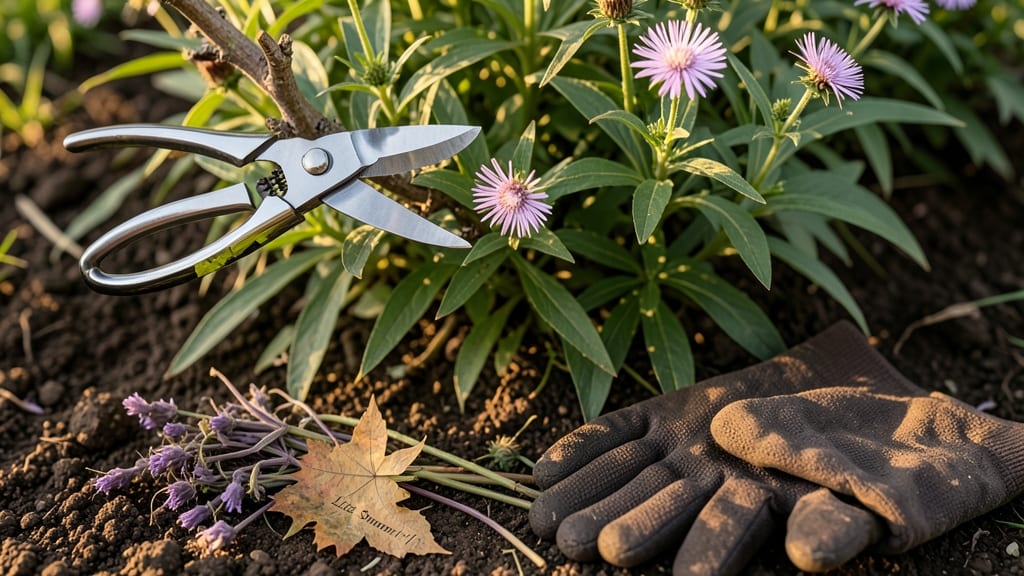
To prune asters, time it in late winter or early spring right as new shoots emerge to promote strong growth. Remove faded blooms in fall after flowering, but wait until dormancy to cut back stems. Avoid pruning during frost to prevent damage to the plant's core.
Timing your aster pruning correctly ensures your plants rebound with lush, vibrant blooms each fall. 🌸 The late-winter or early-spring cut stimulates fresh growth by redirecting the plant’s energy toward new stems, not just leaves.
Fall deadheading removes spent blooms, signaling the plant to focus on root strengthening rather than seed production. This two-step approach—spring rejuvenation and fall cleanup—keeps asters thriving year after year, while winter pruning is best left until after the last frost to avoid shocking the plant.
If you’re in a colder climate, wait until the ground thaws and new growth appears before touching your asters. This timing prevents frost damage to tender new shoots. For container-grown asters, prune slightly earlier in spring since they warm up faster than in-ground plants.
The key is balance: too early, and you stunt growth; too late, and you risk weak stems or disease from lingering moisture.
💡 In This Article
- How Pruning Timing Affects Aster Flowering Cycles
- Step-by-Step Aster Pruning Guide by Season
How pruning timing affects aster flowering cycles
Asters rely on photoperiodism—their blooming triggered by shorter daylight hours in fall. When you prune in late winter or early spring, you're manipulating the plant's auxin hormone levels, which stimulates new shoot growth from the crown.
This hormonal shift redirects energy from dormant roots to fresh stems, setting the stage for robust flowering later. 🌱 Without this spring pruning, asters may produce leggy, weak stems that struggle to support heavy blooms.
The timing is critical because asters enter vernalization (cold-induced growth preparation) in winter. Pruning too early—before 3-4 inches of new growth appears—can shock the plant and delay flowering by 2-3 weeks. Conversely, waiting too long lets the plant expend energy on unnecessary foliage.
The ideal window is when you see 1-2 inches of fresh green shoots, typically 4-6 weeks before your last frost date.
Fall deadheading works differently—it removes spent blooms to prevent seed production, which signals the plant to redirect nutrients to root storage. This process, called autumnal regrowth stimulation, ensures the aster stores enough energy for next year's spring growth.
Cutting back too aggressively in fall can stress the plant and reduce winter hardiness, while leaving too many stems may lead to powdery mildew from poor air circulation.
Frost timing matters because ice crystals can rupture cell walls in new growth. Pruning during frost exposes tender shoots to -5°F to 0°F temperatures, which can kill the plant's growing tips.
This is why gardeners in Zone 5-7 wait until mid-March to early April—when daytime temps consistently reach 50°F—before pruning. In warmer climates (Zone 8+), you can prune 2-3 weeks earlier since frost is less of a threat.
Consider the aster's growth habit: Some varieties like 'Patriot' or 'Alma Potschke' grow 2-3 feet tall and benefit from 1/3 height reduction in spring, while dwarf types (1 foot tall) only need 1/4 height pruning.
The rule is to cut back to 2-3 inches above ground level for vigorous regrowth, but never below the crown where new shoots emerge.
What most gardeners miss is how pruning affects flowering intensity. Asters that receive proper spring pruning often produce 20-30% more blooms than unpruned plants, thanks to increased stem density. The key is consistency—prune the same way each year to establish predictable growth patterns. 💫