
Pruning
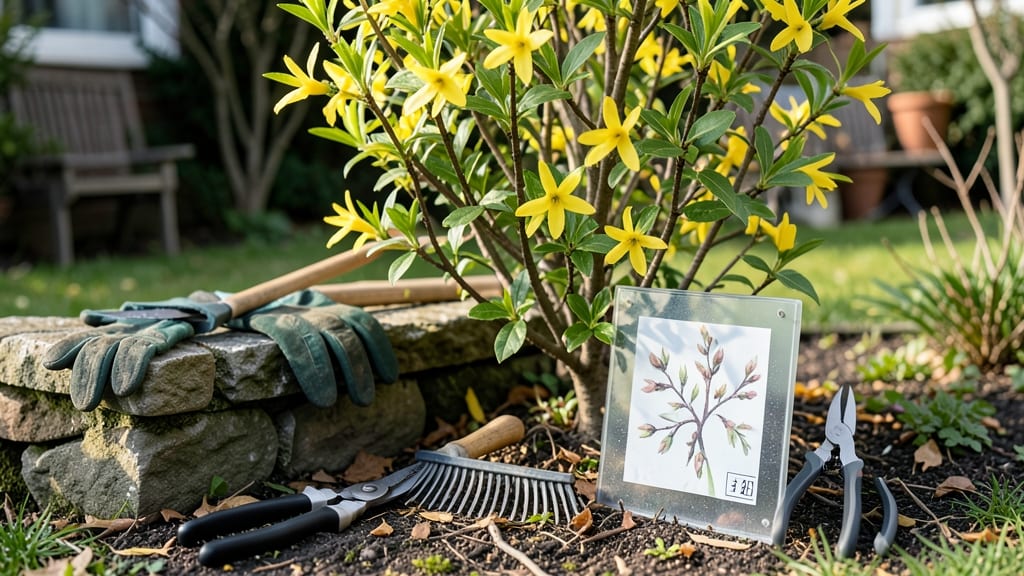
Pruning a forsythia bush in late winter unlocks its brightest spring blooms 🌸 — the secret to a showstopping display lies in timing it just right, before the buds even think about waking up.
If your forsythia bush isn’t bursting with vibrant yellow blooms each spring, the timing of your pruning might be the missing link.
Late winter is the perfect window to unlock next year’s showstopping display, but get it wrong, and you could end up with fewer flowers—or worse, no flowers at all.
Why does timing matter so much? Forsythia blooms on last year’s growth, so pruning too late risks cutting off the very branches that will carry next spring’s flowers. But don’t wait too early either—pruning in fall can leave the plant vulnerable to cold damage.
In this guide, I’ll walk you through the exact late-winter timeline, the tools you’ll need, and the simple steps to prune your forsythia for a healthier, bushier plant—and a dazzling spring show you’ll be proud of.
The exact late winter timeline for pruning forsythia bushes
Late winter is the golden window for pruning forsythia bushes, but timing matters more than you might think. These shrubs produce flower buds on old wood, meaning last year’s growth holds next spring’s blooms.
If you prune too late, you risk cutting off those buds before they open. Let’s break down the exact month-by-month timeline to ensure your forsythia bursts with color every spring.
Forsythia bushes thrive on dormant-season pruning, typically between January and early March, but the best time depends on your USDA hardiness zone and local climate.
In colder regions (Zones 3-5), prune as soon as the ground thaws, while milder climates (Zones 6-8) can wait until late February or early March. The key is to prune before new growth begins, usually 2-4 weeks before your last frost date.
| Month | Zone 3-5 (Cold) | Zone 6-8 (Mild) | Zone 9+ (Warm) |
|---|---|---|---|
| January | Prune after hard freeze ends (late Jan) | Wait until late Jan or early Feb | Not ideal—wait until Feb |
| February | Best time—prune by mid-Feb | Ideal window—prune by late Feb | Prune by early Feb |
| March | Risky—prune only if no buds swell | Too late—wait until next year | Too late—avoid pruning |
⚠️ Critical Tip: Always prune before buds swell—they’ll look like tiny green beads on stems.
In Zone 3-5, where winters are harsh, prune as soon as the ground is workable, usually in late January or early February. This timing ensures you don’t accidentally cut off buds that are already forming.
Look for dormant stems with no signs of swelling—those are safe to trim. If you see tiny green buds, hold off until next year.
For Zones 6-8, where winters are milder, you have a bit more flexibility. Aim to finish pruning by late February, just before the first signs of new growth.
In these zones, forsythia bushes often start pushing buds in early March, so waiting too long means sacrificing next year’s blooms. Check your local frost dates to guide your timing.
Gardeners in Zone 9+ face a different challenge: mild winters mean buds can swell earlier. Prune in January or early February, but stay vigilant for signs of growth. If you see leaves or flowers starting to form, stop pruning immediately.
In these regions, forsythia may bloom twice a year, so timing is even more critical to avoid cutting off potential blooms.
Why does timing matter so much? Forsythia flower buds form on last year’s wood, meaning they develop in late summer and early fall. If you prune too late, you risk removing these buds before they have a chance to open in spring.
The goal is to shape the bush while preserving as many buds as possible. Think of it like sculpting a canvas—you want to clean up the structure without erasing the masterpiece.
One common mistake is pruning after the first flush of blooms in spring. This is a big no-no! By then, the buds for next year’s flowers are already forming. Instead, focus on late winter cleanup to encourage healthy growth and abundant blooms the following season.
A well-pruned forsythia can produce up to 30% more flowers than one that’s neglected.
If you’re unsure whether your forsythia has already started budding, check the stems closely. Dormant buds look like tiny, rounded bumps, while swollen buds will feel firmer and may even show a hint of green.
When in doubt, wait a few weeks—it’s better to prune late than to remove next year’s blooms by accident.
Remember, forsythia bushes are hardy and forgiving, but they reward precise timing with vibrant, abundant blooms. By following this late-winter pruning timeline, you’ll set your forsythia up for a showstopping spring display that’ll make your neighbors green with envy. Happy pruning! 🌸
How to prune a forsythia bush: step-by-step for optimal growth
Pruning your forsythia bush correctly is the secret to those showstopping yellow blooms every spring. The key lies in understanding how much to trim and when to cut—both critical for encouraging healthy growth and abundant flowers.
Unlike many shrubs, forsythias bloom on last year’s growth, so timing and technique matter more than you might think.
Start by gathering your pruning tools: a pair of sharp bypass pruners for clean cuts and a hand saw for thicker branches. You’ll also want disinfectant to prevent spreading disease between cuts.
The goal is to shape your bush while removing dead, diseased, or crossing branches—this opens up the center for better airflow and sunlight penetration.
Prune your forsythia immediately after flowering (late spring) or during late winter (February-March) before buds swell. Avoid pruning in fall or early spring—this risks removing next year’s flower buds, leaving you with sparse blooms. If you miss the late winter window, wait until right after blooming to prune.
Begin by removing any dead or diseased wood first—these branches won’t recover and can harbor pests. Next, cut back up to one-third of the oldest stems at the base to encourage new, vigorous growth.
Focus on thinning out crowded branches to improve light penetration, which helps the center of the bush stay healthy. Always cut just above a bud or outward-facing growth to maintain the bush’s natural shape.
For shaping cuts, aim to make them at a 45-degree angle about 1/4 inch above a bud. This angle helps rainwater run off the cut, reducing the risk of rot.
If you’re pruning a mature forsythia, avoid over-trimming—never remove more than one-third of the plant’s total growth in a single year. This ensures the bush has enough energy to recover and bloom beautifully next spring.
After pruning, clean up all debris from the base of the plant to prevent fungal growth. Now’s also a great time to apply a layer of mulch around the base (but keep it 2-3 inches away from the trunk) to retain moisture and regulate soil temperature.
Water deeply to help the plant recover from the stress of pruning—this encourages root growth and sets the stage for next year’s flowers.
Finally, keep an eye out for common pruning mistakes like cutting too late in the season or using dull tools. Dull pruners can crush stems, making the plant more susceptible to disease.
If you accidentally prune too late, don’t panic—just wait until next year’s dormant season and adjust your timing. With the right approach, your forsythia will reward you with vibrant blooms and a lush, healthy shape for years to come. 🌸