
Light Requirements
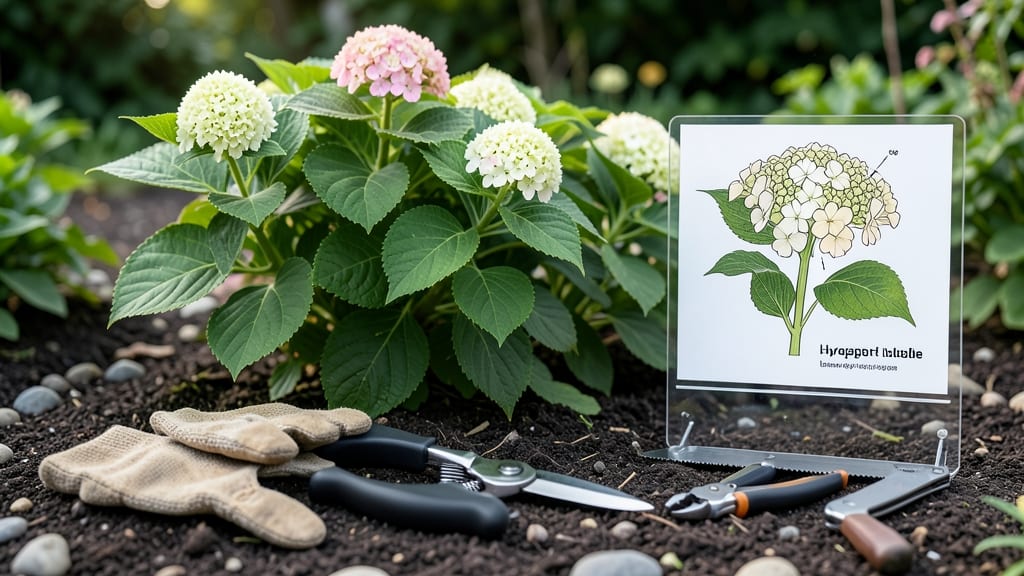
When should Limelight hydrangeas be pruned? Timing it right ensures bigger blooms and healthier growth—and getting it wrong can mean fewer flowers or even plant stress.
Struggling to keep your Limelight hydrangeas thriving? Pruning at the wrong time can mean fewer blooms—or even killing your plant. The best timing depends entirely on your climate zone, and getting it right transforms your garden from mediocre to showstopping.
For most gardeners in zones like 6a, the ideal window is late winter or early spring, just as new buds begin to form. But warmer climates may need to adjust their schedule slightly to avoid late-season heat stress.
In this guide, I’ll walk you through the exact timing cues—like when to prune after the first hard frost or how to spot new growth—so you never miss the perfect moment for your Limelight hydrangeas.
Best pruning time for Limelight hydrangeas by USDA climate Zone
Timing your Limelight hydrangea pruning correctly ensures stunning blooms next season. These everblooming varieties produce flowers on new wood, so late-winter pruning is ideal—but your exact timing depends on your USDA climate zone.
In colder zones (3-5), wait until after the last frost to avoid frost damage, while warmer zones (8-11) can prune slightly later. Get it wrong, and you risk fewer blooms or even plant stress.
Your local climate dictates everything from frost dates to bud formation. For example, Zone 6a gardeners should prune in late February to early March, while Zone 9 can wait until March or even April.
The key is to prune when the plant is dormant but before new growth begins. This ensures you’re cutting back last year’s stems without harming this year’s buds.
Here’s how to adjust your timing based on your zone, including frost considerations and early/late bloomer adjustments:
| USDA Zone | Best Pruning Window | Frost Consideration | Adjustment for Early/Late Bloomers |
|---|---|---|---|
| 3-5 | Late February to early March | Wait until after last frost (typically late March) | Prune earlier if buds swell before frost |
| 6-7 | Mid to late March | Avoid pruning before mid-March to prevent frost damage | Late bloomers? Wait until April |
| 8-9 | March to early April | No frost risk; prune when dormant | Early bloomers? Prune in February |
| 10-11 | February to March | Mild winters; prune when growth slows | Prune earlier if buds appear in January |
In Zone 3-5, where winters are harsh, prune after the last frost but before buds swell. This typically means waiting until late March in most regions. If you prune too early, frost can damage new growth, while pruning too late risks cutting off this year’s blooms.
For Zone 6-7, aim for mid-March, as frost dates vary widely—check your local last frost date for precision.
For warmer zones (8-11), your window is more flexible. Since frost isn’t a concern, prune when the plant is fully dormant but before active growth begins. In Zone 10-11, this could mean pruning as early as February, especially if you notice buds forming.
The goal is to encourage new growth without stressing the plant with late-season cuts.
If your Limelight hydrangea is an early bloomer, adjust your timing slightly later. Look for tight buds forming at the stem ends—this is your cue to prune. For late bloomers, you can wait until April in cooler zones or even May in warmer areas.
The key is to never prune after buds form, as this removes next year’s flowers.
Pro tip: If you’re unsure about your last frost date, use a frost calendar for your city. Many local cooperative extension offices provide this data. For example, Chicago (Zone 5) typically has its last frost around April 15, while Miami (Zone 10) rarely sees frost.
Adjust accordingly to avoid pruning too soon.
One common mistake is pruning too late in the season, which can stunt new growth or leave your hydrangea vulnerable to fall pests. Always prune before spring growth begins—you’ll see swollen buds or tiny leaves as a sign it’s time to stop.
For maximum blooms, aim to finish pruning by early April in most zones.
Finally, if you missed the window, don’t panic. You can lightly prune in early summer to shape the plant, but avoid heavy cuts. Focus on removing dead wood and thinning crowded stems to improve airflow.
Just remember: timing is everything for Limelight hydrangeas—get it right, and you’ll reward yourself with lush, vibrant blooms all season.
Step-by-step pruning guide for maximum blooms in Limelight hydrangeas
Pruning your Limelight hydrangeas correctly is the secret to those stunning, oversized blooms you dream of. Unlike other hydrangeas, Limelights bloom on new wood, so timing and technique matter more than you might think.
The goal? Encourage bushier growth and bigger flowers by removing old, spent stems while preserving next year’s blooms.
Before you grab your pruning shears, know this: cutting at the wrong time—or the wrong stems—can mean fewer flowers next season. Limelights thrive when you prune just after the last frost but before new growth starts.
This gives your plant energy to focus on new stems and larger blooms rather than repairing old damage.
Here’s your step-by-step guide to pruning Limelight hydrangeas for maximum blooms, including how to identify old vs. new wood and what tools to use:
🌿 Step-by-Step Pruning Guide for Limelight Hydrangeas
- 1 Wait for the right time: Prune after the last frost in your USDA zone (typically late winter to early spring). For zones 6-9, aim for February to March. Avoid pruning in fall or winter when the plant is dormant.
- 2 Identify old vs. new wood: Look for brown, woody stems (old wood) and green, flexible stems (new wood). Cut back only the old, brown stems—never the new growth where next year’s blooms will form.
- 3 Use the right tools: Grab sharp, clean pruning shears (or loppers for thicker stems) and disinfect them with rubbing alcohol to prevent disease. Avoid dull tools—they crush stems instead of cutting cleanly.
- 4 Cut back old stems: Remove 1/3 of the oldest stems at the base (where they meet the soil). This encourages new, vigorous growth and prevents overcrowding. Leave the younger stems intact—they’ll produce next year’s flowers.
- 5 Shape lightly: Trim any crossing or rubbing branches to improve airflow and reduce disease risk. Avoid heavy shaping—Limelights look best with a natural, rounded form.
- 6 Clean up: Remove all pruned stems and debris from the area to prevent pests or fungal growth. Apply a 2-inch layer of mulch around the base to retain moisture and regulate soil temperature.
- 7 Fertilize lightly: After pruning, add a balanced fertilizer (10-10-10) to support new growth. Water deeply to help the plant recover and prepare for the growing season.
One common mistake is pruning too late in the season, which can stimulate new growth that won’t harden off before winter. If you miss the window, wait until early spring—just don’t prune after June, or you’ll sacrifice next year’s blooms.
Patience is key: Limelights reward precise timing with showstopping, lime-green blooms that last all summer.
Pro tip: Take a photo of your hydrangea before pruning to visualize where old stems are hiding. This helps you avoid accidentally cutting back new wood, which holds next year’s flower buds. With the right technique, your Limelight will thank you with bigger, brighter blooms year after year. ✂️🌸