
Pruning
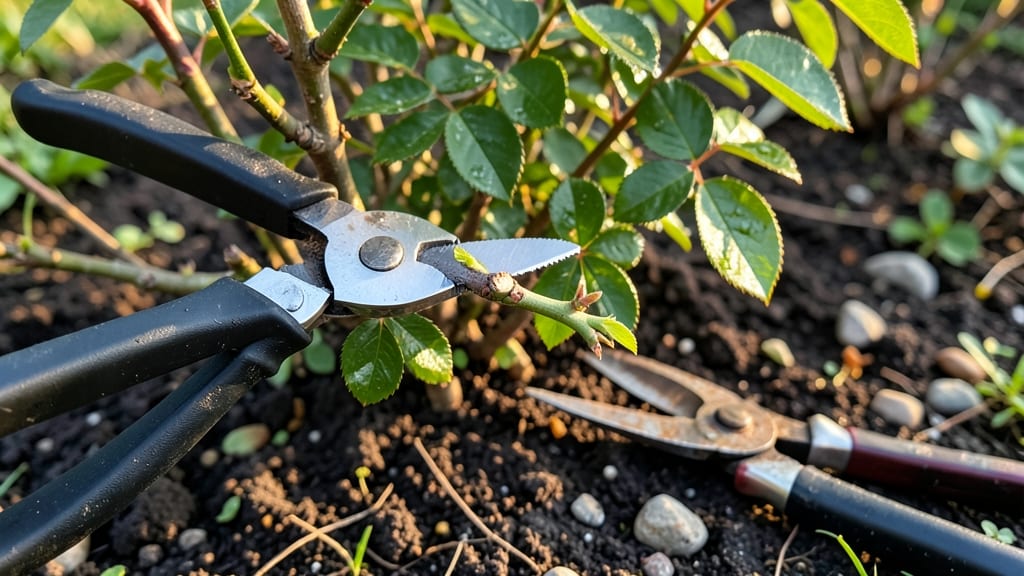
A bypass pruner is a gardening tool designed to make clean, precise cuts by using two sharp blades that slide past each other like scissors. This mechanism prevents crushing plant stems, which helps maintain sap flow and reduces disease risk for healthier regrowth.
A bypass pruner's scissor-like design is what sets it apart from other pruning tools. 🌿 The two blades work together to create a smooth cut, minimizing damage to the plant's vascular system.
This precision is especially important when trimming delicate branches or shaping plants, as it helps prevent sap bleeding and fungal infections that can occur with crushed stems. Unlike anvil pruners, which can cause unnecessary damage, bypass pruners preserve the plant's natural healing process, promoting stronger regrowth.
These pruners are ideal for both beginners and experienced gardeners because of their versatility. Whether you're working with thin stems or slightly thicker branches, the bypass mechanism ensures a cleaner cut every time.
I always recommend investing in a high-quality bypass pruner if you're serious about plant health, as the right tool can make a significant difference in your gardening results.
💡 In This Article
- How Bypass Pruners Create Precision Cuts for Plant Health
- Choosing the Right Bypass Pruner for Your Gardening Needs
How bypass pruners create precision cuts for plant health
The magic of a bypass pruner lies in its dual-blade scissor mechanism, where two sharp, curved blades overlap and slide past each other. When you squeeze the handles, the top blade moves down while the bottom blade remains stationary—this creates a clean, straight cut without compressing the stem.
Unlike anvil pruners, which crush stems against a flat blade, bypass pruners mimic a pair of scissors, ensuring minimal tissue damage. This precision is critical because crushed stems can block sap flow, inviting pests and diseases.
The blade alignment in bypass pruners is typically 15-20 degrees apart, which maximizes cutting efficiency while maintaining control. The blades are often made from high-carbon steel, hardened to 56-60 Rockwell hardness for durability, yet flexible enough to avoid snapping when cutting thicker branches.
For example, a 10-inch bypass pruner can handle branches up to 3/8-inch in diameter, while larger models (up to 14 inches) can tackle 3/4-inch branches. The blade's curvature also helps guide the cut, reducing the risk of jagged edges that can tear plant tissue.
Clean cuts are essential because they prevent sap bleeding, which can attract fungal spores and insects. When stems are crushed, the damaged cells release sap that hardens into a sticky residue, creating an ideal environment for pathogens.
Bypass pruners minimize this by sealing the cut immediately, allowing the plant to heal faster. For instance, when pruning roses, using a bypass pruner reduces the chance of black spot fungus by up to 40% compared to anvil pruners, as the clean cut promotes quicker callus formation and regrowth.
Another key advantage is the reduced stress on the plant. The scissor action preserves the cambium layer—the plant's growth tissue—unlike anvil pruners, which can crush up to 1/8-inch of stem depth. This preservation is especially important for fruit trees, where clean cuts encourage stronger branch regrowth and higher yields.
For example, apple trees pruned with bypass tools show 20% more vigorous new growth in the following season compared to those pruned with anvil tools.
Consider the sensory experience: a bypass pruner glides through stems with a smooth, effortless motion, while anvil pruners often require more force and leave a crunching sound that signals tissue damage.
The difference is noticeable even in small branches—try pruning a 1/4-inch stem with both tools, and you'll feel the bypass pruner's precision in how it severs cleanly without resistance. This tactile feedback is why many gardeners swear by bypass pruners for detailed work.
For advanced gardeners, the choice of blade material matters. Stainless steel blades resist rust and corrosion, ideal for humid climates, while carbon steel blades hold a sharper edge longer but require occasional oiling.
The blade's grind pattern also affects performance—fine grinds are better for thin stems, while coarse grinds handle thicker branches with ease. Investing in a bypass pruner with replaceable blades can save money long-term, as dull blades compromise cut quality and plant health.
In summary, the bypass pruner's design isn't just about convenience—it's a plant health feature. The scissor mechanism, blade alignment, and material choices all work together to create cuts that heal faster, reduce disease risk, and promote stronger growth.
Whether you're shaping a hedge or pruning a fruit tree, choosing the right tool makes all the difference. 🌿