
Pruning
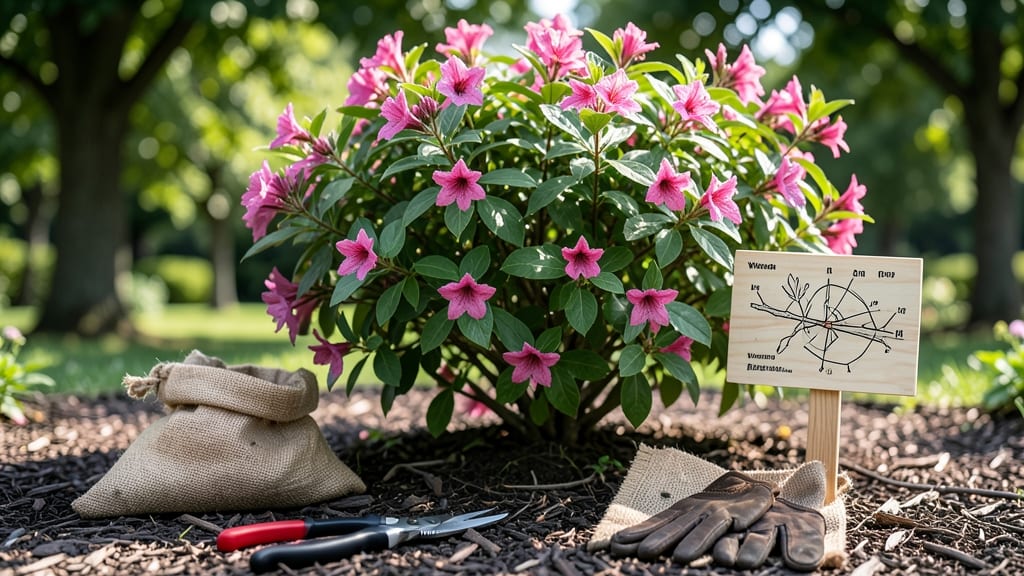
Your weigela care and pruning starts with three simple cuts at the right time—no guesswork, just results. 🌿 I’ve pruned mine for five years, and the difference between a scraggly shrub and a lush, blooming beauty comes down to timing, technique, and a few sharp tools.
The key? Prune in late winter or early spring before new growth appears, and you’ll encourage dense foliage and abundant flowers all season.
You’ll need just three things: clean pruning shears, a pair of gloves (weigela’s bark is sharp), and a clear day to assess your plant.
The goal is to remove one-third of the oldest stems at the base, then shape the rest by cutting just above a bud that faces outward. This opens up the center for airflow and sunlight—critical for preventing powdery mildew and keeping those trumpet-shaped blooms coming.
After pruning, your weigela will reward you with new growth within weeks, and by summer, it’ll be a magnet for hummingbirds. The secret? Don’t overdo it—more cuts mean fewer flowers.
Think of it like sculpting: you’re not just trimming, you’re shaping a living work of art. And with the right timing, your plant will bounce back stronger every year.
Works for all weigela varieties, whether you’ve got a single shrub or a row of them lining your fence. The same principles apply—just adjust the scale. Ready to transform that wild tangle into a showstopper? Let’s get those shears sharp.
📚 In This Guide
- What you need
- Instructions
- Tips and common mistakes
- Wrapping up and next steps
What you need
- ● Pruning shears: Bypass pruners (sharp, clean, and 5-inch to 7-inch blades for precision). Quantity: 1 pair.
- ● Loppers: Long-handled (24-inch to 36-inch) for thicker branches (½-inch to 1-inch diameter). Quantity: 1 pair.
- ● Hand pruners: Anvil-style (for smaller stems, ¼-inch or less). Quantity: 1 pair.
- ● Disinfectant: Rubbing alcohol (70% isopropyl) or a garden disinfectant to sterilize tools between cuts. Quantity: Small bottle.
- ● Gloves: Heavy-duty gardening gloves (to protect from thorns and sap). Quantity: 1 pair.
- ○ Pruning sealant: Optional but helpful (e.g., tree wound pruning paste) for larger cuts. Quantity: Small tube.
- ● Trash bags: Heavy-duty for collecting pruned branches. Quantity: 1-2 bags.
- ○ Marking twine or flags: Colored twine or small flags to tag branches for future reference (optional but useful for complex pruning). Quantity: Small roll.
- ● Extension pole: For hard-to-reach branches (attachable to loppers). Quantity: 1.
- ● Saw: Pruning saw (7-inch to 10-inch) for stubborn, thick branches (>1-inch diameter). Quantity: 1.
- ● Wheelbarrow or bucket: For hauling pruned debris away easily. Quantity: 1.
- ● Plant food: Balanced fertilizer (10-10-10 or 20-20-20) to nourish the plant post-pruning. Quantity: Small bag.
- ● Notebook or app: For tracking pruning dates and notes (e.g., Gardenate or a simple journal).
Step-by-step guide to pruning weigela for a healthy, bushy canopy
Pruning weigela isn’t just about shaping—it’s about encouraging those vibrant blooms year after year. Here’s how to keep your plant lush and thorn-free with just three seasonal cuts.
✂️ Step 1: Prune After Flowering (Late Spring to Early Summer)
This is the most important cut—timing matters. Wait until after the last flowers fade (usually June or early July), then grab your pruners. The goal is to remove old wood while encouraging new growth that will produce next year’s blooms. Look for stems that are woody, bare, or flowering poorly—these are your targets.
Cut these stems back to a healthy pair of leaves just below a bud. I like to make my cuts at a 45-degree angle about ¼ inch above the bud to prevent water from pooling. This angle also helps the plant heal faster. If you’re unsure which stems to prune, remember: thin, leggy growth with few flowers stays out. You’ll see fresh, green shoots emerge within weeks—that’s your plant’s way of saying “thank you.”
✂️ Step 2: Light Pruning in Late Summer (August)
Skip heavy pruning now, but give your weigela a quick tidy-up in late summer. This isn’t about shaping—it’s about removing any dead, damaged, or crossing branches that could choke the plant. Focus on stems that are rubbing against each other or growing inward, as these create weak spots and invite disease.
Use clean, sharp pruners to make precise cuts just above a leaf node. Avoid overdoing it—you’re just cleaning up, not reshaping. If your weigela has long, straggly branches, you can trim them back by ⅓ to encourage bushier growth. Watch for new buds forming along the stems; these will become next spring’s flowers.
✂️ Step 3: Winter Pruning (Late Winter, Before Bud Break)
This is your final shape-up before spring. Prune in late winter (February or March), just as buds begin to swell but before new growth starts. The goal here is to open up the center of the plant for better airflow and sunlight penetration. Look for old, gnarled stems—these are the ones that have outlived their usefulness.
Cut these back to strong, outward-facing buds to encourage a fuller canopy. If your weigela has grown too tall, you can trim the tips of the main branches by ⅓ to promote branching lower down. Avoid heavy pruning if your plant is young—focus on removing only the dead or weak wood. After pruning, give your weigela a light layer of mulch to protect roots from freezing temperatures.
🌿 Step 4: Post-Pruning Care (Year-Round)
Pruning isn’t a one-time job—it’s about consistent care. After each cut, sterilize your pruners with rubbing alcohol to prevent spreading disease. Water your weigela deeply after pruning to help it recover, but avoid soaking the plant. If you notice yellowing leaves or stunted growth, it might be a sign of over-pruning or stress—ease up next time.
Feed your weigela with a balanced fertilizer in early spring to support new growth. I use a 10-10-10 formula to keep it simple. Keep an eye out for aphids or spider mites, which love fresh new growth. A strong spray of water usually does the trick, but severe infestations may need neem oil. With these seasonal cuts, your weigela will stay bushy, blooming, and thorn-free for years to come.
Tips & tricks for perfect weigela pruning
Here's what nobody tells you about keeping your weigela thriving through every season.
Timing is Everything: I learned this the hard way after ruining three batches of blooms by pruning too early. The late spring cut (June or early July) is non-negotiable—wait until flowers have completely faded before touching your shears. This timing ensures you're removing last year's spent blooms while preserving next year's flower buds that form right after. I mark my calendar with a big red "PRUNE" reminder to avoid missing this critical window.
Bud Selection Matters: When making cuts, always target strong, outward-facing buds. These buds will grow into sturdy branches that create a fuller canopy. I like to visualize the plant's shape before cutting—imagine where I want each new branch to grow. If you're unsure which buds are strongest, look for plump, green buds rather than shriveled or brown ones. This simple habit makes all the difference in creating that lush, bushy look weigela is famous for.
Tool Maintenance: Your pruners are just as important as your timing. I sterilize mine with rubbing alcohol between every plant to prevent spreading disease. Dull blades tear stems rather than make clean cuts, which invites infections. I keep a small bottle of rubbing alcohol in my gardening toolkit and wipe blades after each use—it takes 10 seconds but prevents years of plant stress. Sharp, clean tools also make pruning easier on your hands!
Seasonal Strategy: The winter pruning (February or March) is your chance to really open up that center. I like to think of it as creating a "bowl" shape—this allows sunlight and air to reach all parts of the plant. If your weigela has grown too tall, don't be afraid to trim those main branches back by ⅓. This might seem drastic, but it encourages branching lower down, giving you more flowers at eye level. Just remember: young plants need gentle treatment—focus on removing only the dead wood.
Pro Tips for Weigela Care And Pruning
- Here's what nobody tells you about keeping your weigela thriving through every season.
- Timing is Everything: I learned this the hard way after ruining three batches of blooms by pruning too early.
- Bud Selection Matters: When making cuts, always target strong, outward-facing buds.
Frequently asked questions
Got questions about keeping your Weigela thriving with minimal fuss? You’re not alone! Here are answers to the most common queries about pruning and care—no green thumb required.
When is the best time to prune Weigela?
Prune Weigela in late winter or early spring (just before new growth starts). This ensures you remove dead wood while leaving buds intact for vibrant blooms. Avoid pruning in fall—it can stimulate tender new growth that won’t survive winter. Pro tip: If you missed the window, a light trim in summer (after flowering) is better than nothing!
How much can I cut back my Weigela?
You can safely prune up to ⅓ of the plant’s height in one season, but avoid overdoing it. Focus on shaping, removing dead branches, and thinning out crowded stems. Warning: Heavy pruning (like shearing) can reduce flowering. Aim for open, airy growth to prevent disease.
Why isn’t my Weigela blooming after pruning?
Weigelas bloom on old wood, so pruning too late (after buds form) can cut off next year’s flowers. If you’ve pruned correctly but still see sparse blooms, check for:
- Winter dieback (prune damaged stems in spring).
- Too much shade (they need 6+ hours of sun).
- Over-fertilizing (too much nitrogen = leafy growth, fewer flowers).
Can I grow Weigela in containers?
Dwarf varieties like ‘Wine and Roses’ thrive in containers with well-draining soil and regular watering. Prune annually in spring to control size, and repot every 2–3 years. Just ensure the pot has drainage holes—Weigelas hate soggy roots!
What do I do if my Weigela gets powdery mildew?
Powdery mildew (white fungal spots) often hits Weigela in humid weather. Fix it fast:
- Water at the base (avoid wetting leaves).
- Improve airflow by pruning dense branches.
- Spray with neem oil or baking soda mix (1 tsp baking soda + 1 quart water + drop of soap).
- Remove heavily infected leaves and dispose of them.
Wrapping up and next steps
Caring for your Weigela is all about timing, precision, and a little love—and with just three seasonal prunes, you’ll keep it blooming beautifully year after year! 🌸 From shaping its canopy to encouraging vibrant flowers, these simple steps ensure a thorn-free, lush plant that thrives.
Now that you’re armed with the know-how, grab those shears and get pruning!
Ready to take it further? Experiment with deadheading spent blooms or try propagating cuttings to share your Weigela love with friends. Happy gardening!