
Pruning
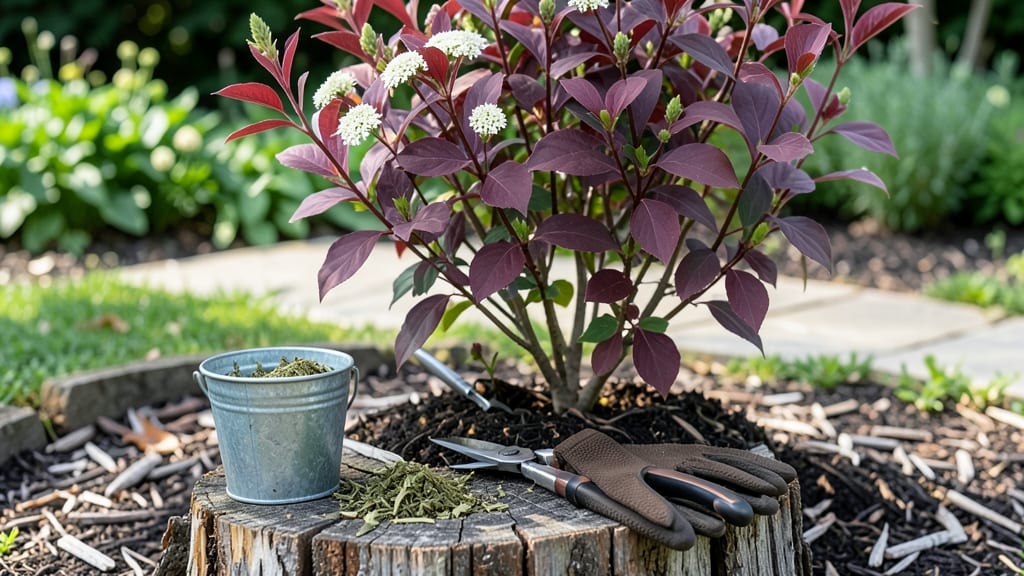
Pruning Summer Wine Ninebark in late winter or early spring unlocks its full potential—think vibrant foliage, fragrant blooms, and a shape that turns heads in your landscape. ✂️ I’ve pruned mine for five years, and the difference between a wild, leggy shrub and a polished, flowering powerhouse comes down to timing and technique.
The key is cutting before new growth starts, when the plant is still dormant but the buds are visible. You’ll remove dead wood, thin crowded branches, and shape the shrub to encourage airflow—all of which keeps pests and diseases at bay.
A sharp pair of pruners and a clear plan make this a 30-minute job that pays off all summer long. What you’ll end up with is a neat, rounded shrub covered in fragrant white flowers by June, with foliage that turns a stunning burgundy in fall. The best part?
Ninebark is forgiving—even if you mess up, it bounces back with new growth. Avoid pruning in summer, as it stresses the plant, and never cut into old wood (it won’t regrow). Stick to the dormant season, and you’ll have a healthy, showstopping shrub for years to come.
📚 In This Guide
- What you need
- Instructions
- Tips and common mistakes
- Wrapping up and next steps
What you need
- ● Pruning shears: Bypass pruners (sharp, clean, and 1.5”–2.5” cutting capacity) – 1 pair (for small branches).
- ● Loppers: Bypass loppers (for thicker branches, 3”–4” cutting capacity) – 1 pair.
- ○ Pruning saw: (if branches exceed 1.5” diameter) – 1 (optional but handy for stubborn growth).
- ● Disinfectant: Rubbing alcohol (70%+) or pruning sealant – small bottle (to prevent disease spread).
- ● Garden gloves: Cut-resistant or heavy-duty – 1 pair (protects hands from thorns and sharp edges).
- ○ Pruning rope or twine: (for temporary support if needed) – 1 roll (optional).
- ● Trash bags or bucket: (for debris disposal) – 1–2.
- ● Weather check: Prune on a cool, overcast day or early morning to reduce stress on the plant. Avoid pruning if rain is forecasted within 24 hours.
- ○ Safety gear: Safety glasses (optional but recommended if working near eyes).
- ● Plant assessment: Study your Summer Wine Ninebark’s structure beforehand—identify dead, crossing, or overcrowded branches.
- ○ Clean workspace: Lay down tarps or cardboard (optional) to collect fallen leaves/debris easily.
Step-by-step guide for pruning Summer Wine ninebark
Here's my foolproof method for shaping this fragrant shrub—timing, tools, and techniques that guarantee lush growth and vibrant blooms.
✂️ Step 1: Time Your Pruning for Optimal Growth
Prune your Summer Wine ninebark in late winter or early spring—just as new growth begins to swell but before buds break. This timing ensures you remove dead wood while encouraging fresh, fragrant foliage. I always check for swollen buds along the stems; that's your signal it's ready. Avoid pruning in fall, as new growth won't harden off before winter.
If you missed the window, you can do a light shaping cut in summer after flowering, but avoid heavy pruning then—it stresses the plant. For best results, stick to the late winter/early spring schedule. This is when ninebark responds most vigorously to pruning, producing thick, multi-stemmed growth that supports those fragrant blooms.
✂️ Step 2: Gather the Right Tools for Clean Cuts
Use sharp, clean pruning shears (or loppers for thicker stems) to make precise cuts just above a bud or leaf node. Dull tools crush stems, inviting disease. I always sanitize my shears with rubbing alcohol between cuts—this prevents spreading any hidden pathogens. Avoid hedge trimmers; they create jagged edges that heal poorly.
Wear gloves to protect your hands from thorns and sticky sap. Grab a small broom or leaf blower to clear debris afterward—ninebark leaves and twigs can pile up fast. I like to work on a dry morning when the plant is dormant; the cuts heal cleaner without the stress of heat or humidity.
☀️ Step 3: Remove Dead, Weak, or Crossing Branches First
Start by thinning out any dead, diseased, or weak branches at the base. Look for stems that are brown, brittle, or hollow—these won’t regrow and just take up space. Next, remove branches that cross or rub against others; these create wounds that invite pests. I always step back and squint to spot hidden issues—your eyes adjust to see what your hands might miss.
Cut these branches back to the main stem or a strong outward-facing bud. This opens up the center of the shrub, improving airflow and sunlight penetration. Summer Wine ninebark thrives when it gets at least 6 hours of sun daily, so don’t block that light with dense, tangled growth. You’ll see the difference in just a few weeks as new leaves fill in the gaps.
✂️ Step 4: Shape the Shrub for Balance and Form
Now it’s time to refine the shape. Ninebark responds well to a rounded or vase-like form, but you can tailor it to your space. Start at the top and work your way down, making angled cuts just above a bud or leaf node. Avoid leaving stubs—these attract disease and look messy. I like to step back every few cuts to check the balance; symmetry makes all the difference.
For a fuller look, you can lightly trim the sides to encourage bushier growth. Just remove no more than 1/3 of the plant’s height in one season—this prevents shock. If you’re ambitious, you can prune back older stems to the ground to rejuvenate the shrub, but only do this every 3-4 years. You’ll know you’ve done well when the plant looks open in the center and dense on the edges—perfect for showcasing those fragrant blooms.
🌿 Step 5: Clean Up and Monitor for New Growth
After pruning, rake up all debris and dispose of it in the trash—not the compost. Diseased branches can spread pathogens, and ninebark is sensitive to that. I always give the area a light watering to help the plant recover, but avoid soaking the soil—ninebark prefers well-draining conditions. Within 2-4 weeks, you should see new buds swelling along the stems.
Watch for suckers—those are the little shoots growing at the base. Remove them early to keep energy focused on the main structure. If you notice any yellowing leaves or stunted growth, it might mean you pruned too late or too aggressively. But don’t worry—ninebark is forgiving. With the right timing and care, you’ll have a fragrant, bushy shrub ready to brighten your garden all season long.
Tips & tricks for perfect Summer Wine ninebark pruning
Here's what I learned after years of shaping these fragrant shrubs—simple tricks that make all the difference for vibrant blooms.
Timing Secret: The late winter/early spring window is non-negotiable for best results. I've found that checking for swollen buds (about the size of a pea) is the most reliable indicator—this happens roughly 2-3 weeks before your last expected frost. If you're unsure about your frost dates, use a local gardening calendar as your guide. The plant's natural cycle is what determines readiness, not the calendar alone.
Tool Technique: I always carry two pairs of pruners—one for smaller branches and a sturdy pair of loppers for thicker stems. The key is to make clean cuts at a 45-degree angle just above a bud or leaf node. This angled cut helps water run off, preventing rot. If you're working with particularly thick stems, I recommend using the loppers first to make the initial cut, then finishing with the shears for precision.
Pruning Strategy: When shaping your ninebark, remember the "thirds rule"—never remove more than one-third of the plant's height in a single season. This prevents shock and allows the plant to recover properly. I like to visualize the plant as a vase shape, with the widest part at the bottom and tapering slightly toward the top. This form allows sunlight to reach all parts of the plant, encouraging those fragrant blooms.
Recovery Wisdom: After pruning, I always give the plant a light watering to help it recover, but I avoid soaking the soil. Ninebark prefers well-draining conditions, so I water just enough to moisten the top inch of soil. Within 2-4 weeks, you should see new buds forming along the stems. If you don't see any new growth after this time, it might be a sign that you pruned too late or too aggressively.
Pro Tips for Summer Wine Ninebark Pruning
- Here's what I learned after years of shaping these fragrant shrubs—simple tricks that make all the difference for vibrant blooms.
- Timing Secret: The late winter/early spring window is non-negotiable for best results.
- Tool Technique: I always carry two pairs of pruners—one for smaller branches and a sturdy pair of loppers for thicker stems.
Frequently asked questions
Got questions about pruning your Summer Wine ninebark? You’re not alone! Here are answers to the most common concerns—so you can keep your shrub thriving with minimal stress.
When is the best time to prune Summer Wine ninebark?
The ideal time is late winter or early spring (just before new growth starts), but you can also prune lightly in summer after flowering to shape it. Avoid heavy pruning in fall—it can stimulate tender new growth that won’t survive winter. Pro tip: If you missed dormant-season pruning, a light trim in summer is better than nothing!
Can I prune Summer Wine ninebark in summer?
Yes! Light summer pruning (after blooms fade) helps maintain shape and encourages bushier growth. Just avoid cutting into old wood—focus on new stems. For major shaping, wait for dormant season. Warning: Over-pruning in summer can stress the plant, so keep it to 10-20% of the foliage at most.
What if my ninebark isn’t blooming after pruning?
If your Summer Wine ninebark skips blooms, check these fixes:
- Pruning timing: Blooms appear on old wood, so avoid heavy cuts in late winter/early spring.
- Sunlight: Ensure it gets 6+ hours of sun daily—shady spots reduce flowering.
- Fertilizer: A balanced, slow-release fertilizer in early spring can boost blooms.
How do I prune Summer Wine ninebark in hot climates?
In hot, dry areas, prune in early spring (before heat spikes) to reduce stress. Water deeply before and after pruning, and avoid heavy cuts that expose too much stem—this can invite pests. Mulch around the base to retain moisture. Bonus: Prune on a cloudy day to minimize heat stress on the plant.
What’s the difference between pruning Summer Wine and other ninebark varieties?
All ninebark varieties follow similar pruning rules, but Summer Wine’s deep purple foliage and fragrant blooms make timing extra important. Unlike some varieties that tolerate harder cuts, Summer Wine benefits from gentler, regular pruning to preserve its vibrant color. If you’re unsure, stick to the dormant-season approach—it’s foolproof for this cultivar!
Do I need special tools for pruning Summer Wine ninebark?
Not necessarily! Basic tools like bypass pruners (for small stems) and loppers (for thicker branches) work well. For larger shrubs, a pruning saw may help. Pro tip: Sterilize tools with rubbing alcohol between cuts to prevent disease spread—especially if your ninebark has had pests or fungal issues.
Wrapping up and next steps
Pruning your Summer Wine Ninebark in late winter or early spring unlocks its full potential—think lush, fragrant blooms and a tidy, healthy shrub! 🌿 With the right tools, timing, and technique, you’ll encourage vibrant growth while keeping pests at bay.
Now that you’re armed with the know-how, grab your pruners and give your Ninebark the care it deserves.
Ready to transform your landscape? Start by marking your calendar for next year’s dormant-season pruning—your fragrant, flourishing Ninebark will thank you! 🌸