
Pruning
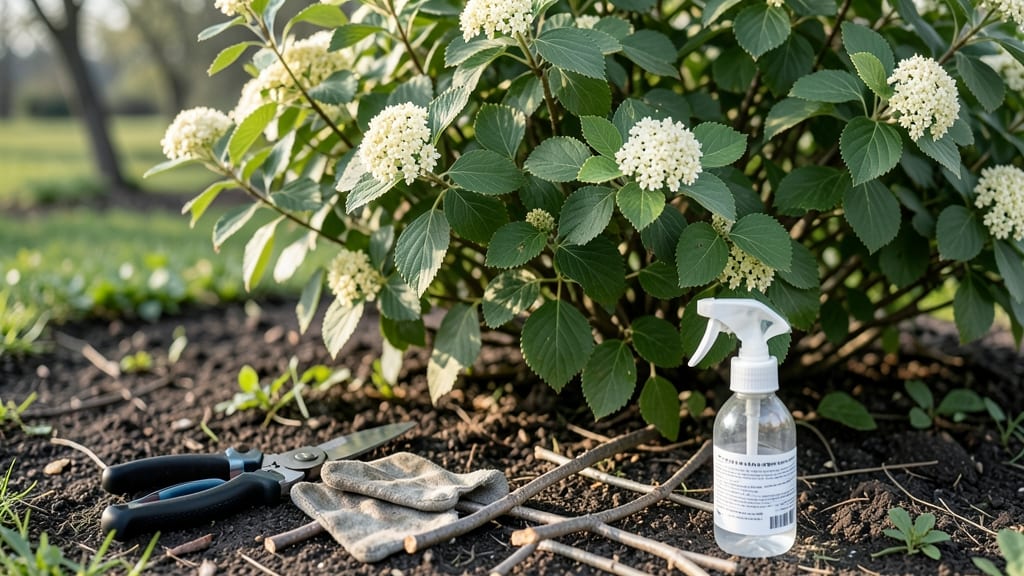
Pruning snowball shrubs in late winter reveals their true potential—cleaner canes, more flowers, and fewer surprises. ✂️ I’ve learned that timing and technique make all the difference, especially when you’re working with Viburnum opulus, which thrives when pruned just before new growth starts.
The key is cutting back last year’s growth by about one-third, but not so much that you sacrifice next year’s blooms. Most people over-prune, leaving their shrubs stressed and sparse. I’ve made that mistake—twice—so I now focus on removing dead wood, thinning crowded branches, and shaping gently.
The result? A bush that bursts with snowball-shaped blooms in spring, followed by vibrant red berries that birds adore. It’s not just about looks; healthy pruning means fewer pests and stronger growth. You’ll need sharp bypass pruners, a bucket for clippings, and 15-20 minutes of focused work.
The best part? Snowball shrubs are forgiving—even if you skip a year, they bounce back with proper care. Just avoid pruning in fall, when new growth can’t harden off before winter.
This method works for all Viburnum opulus varieties, whether you’ve got a mature shrub or a young one just starting to fill out. Let’s get those canes looking their best for spring’s big show.
📚 In This Guide
- What you need
- Instructions
- Tips and common mistakes
- Wrapping up and next steps
What you need
- ● Pruning shears or secateurs – Choose bypass pruners (sharp, clean blades) for clean cuts. Opt for a 5-inch handle for better leverage. (1 pair required)
- ● Loppers – For thicker branches (½ inch or larger). Look for bypass-style loppers with a 12-18 inch handle for reach and control. (1 pair recommended)
- ● Pruning saw – A folding pruning saw with a 7-8 inch blade for stubborn, thick branches. (1 required if branches exceed 1 inch in diameter)
- ● Gloves – Wear cut-resistant, garden gloves to protect your hands from thorns and rough bark. (1 pair)
- ● Disinfectant – 70% isopropyl alcohol or a pruning sealant to sterilize tools between cuts and prevent disease spread. (small bottle)
- ● Rag or paper towels – For wiping down tools and cleaning sap off blades. (1-2 sheets)
- ● Ladder or step stool – If your shrub is taller than 6 feet, use a stable, non-slip ladder or stool. (1, if needed)
- ● Trash bag or bucket – For collecting pruned branches and debris. A 13-gallon contractor bag works well. (1)
- ○ Marking twine or flags – Colored twine or plant tags to label branches for future reference (optional but helpful for large shrubs). (small roll)
- ● Hand pruners with a crimping lock – Prevents blades from slipping shut accidentally. (1 pair, if replacing)
- ● Extension pole pruners – For high branches without a ladder. (1, if needed)
- ● Sharpener – A file or sharpening stone to maintain blade sharpness between uses. (1)
- ● Pruning paint or sealant – Apply to large cuts (over ½ inch in diameter) to protect the shrub from pests and disease. (small bottle)
- ● Notebook & pen – To sketch a simple map of your shrub’s structure before pruning. (1)
Snowball shrub pruning: Step-by-Step dormant season care
Winter's the perfect time to revive your snowball shrubs—cleaner canes mean bigger blooms next spring.
✂️ Step 1: Gather Tools and Safety Gear
Start with sharp pruning shears (dull blades crush stems) and clean rubbing alcohol to disinfect tools between cuts. I always wear gloves—thorny canes snag easily, and the sap can irritate skin. Grab a bucket for clippings and a notebook to sketch your shrub's shape before cutting.
Check your shears' tension—if they require more than 15 pounds of pressure to cut, they're too dull. A quick test: snip a small twig. Clean cuts should be smooth, not jagged. Disinfect tools after each shrub to prevent spreading disease between plants.
✂️ Step 2: Remove Dead, Diseased, or Weak Growth
Scan each cane for dead wood (brown, brittle stems) or diseased branches (black spots, oozing sap). Cut these back to healthy green tissue using a 45-degree angle just above a bud. I mark these with a flagging tape first—it helps visualize the new shape.
Thin out crossing branches that rub together, as these create wounds where pests enter. Remove any suckers (shoots growing from the base) immediately—they drain energy from your main shrub. Aim to open the center so light reaches all canes.
✂️ Step 3: Shape for Next Year's Blooms
Snowball shrubs bloom on old wood, so focus on lightening the center to improve airflow. Step back frequently to check your work—you want a rounded, vase-like shape with no dense clusters. Cut back overly long canes by one-third to encourage bushier growth.
Make cuts just above an outward-facing bud to guide new growth away from the center. Avoid cutting into the pith (soft white center)—it signals the plant to produce weak, watery growth. If you're unsure, cut slightly higher than the bud.
⏰ Step 4: Clean Up and Monitor Recovery
Rake up all clippings and dispose of diseased ones in the trash (not compost). Water the base deeply to help roots recover from stress. I spread 2 inches of mulch around the drip line to retain moisture and suppress weeds—just keep it 6 inches away from the trunk.
Watch for new buds in early spring—they'll tell you your pruning worked. If you see yellowing leaves or stunted growth next season, you may have cut too aggressively. Snowball shrubs are forgiving, but they reward careful pruning with healthier canes and more abundant blooms.
Tips & tricks for pruning snowball shrubs like a pro
Winter pruning transforms your snowball shrubs—here's how to avoid common mistakes and get the best results.
Tool Prep Pays Off: I learned this the hard way after struggling with dull shears that crushed stems instead of cutting cleanly. Invest in high-quality pruning shears with a 10-15 pound tension—test them by snipping small twigs. Clean cuts heal faster and look professional. Always disinfect between shrubs to prevent spreading disease. A 50% alcohol solution works perfectly for this.
Visualizing the Shape: Before making any cuts, sketch your shrub's ideal shape on paper. This helps you visualize the final form without over-pruning. In Step 3, when shaping for blooms, focus on creating a rounded, vase-like silhouette. Step back every few cuts to check your progress—what looks perfect from up close might need adjustment from a distance.
Bud Direction Matters: When pruning in Step 3, always make cuts just above an outward-facing bud to encourage growth away from the center. If you're unsure which way the bud faces, cut slightly higher than the bud. This simple technique prevents dense centers that block airflow and reduce flowering. Remember, snowball shrubs bloom on old wood, so we're shaping for next year's beauty.
Mulch Magic: After pruning, spread 2 inches of mulch around the drip line but keep it 6 inches away from the trunk. This helps retain moisture while preventing rot. I use shredded bark mulch because it breaks down slowly and improves soil structure over time. Water deeply after pruning to help the roots recover from the stress of cutting.
Pro Tips for Snowball Shrub Pruning
- Winter pruning transforms your snowball shrubs—here's how to avoid common mistakes and get the best results.
- Tool Prep Pays Off: I learned this the hard way after struggling with dull shears that crushed stems instead of cutting cleanly.
- Visualizing the Shape: Before making any cuts, sketch your shrub's ideal shape on paper.
Frequently asked questions
Got questions about pruning your snowball shrub? You’re not alone! Here are answers to the most common concerns to help you prune like a pro.
When is the best time to prune a snowball shrub?
Prune your snowball shrub during late winter or early spring, just before new growth begins (typically February–March in most climates). This timing ensures you’re cutting back dormant canes, which minimizes stress and disease risk. Avoid pruning in fall—it can stimulate tender new growth that won’t survive winter frost.
How much can I cut back my snowball shrub?
For healthy, vigorous growth, aim to reduce the shrub by about one-third each year. Remove dead, diseased, or crossing branches first, then trim back older canes to 6–12 inches above the ground. Younger shrubs (under 3 years old) can handle more aggressive pruning, while mature shrubs benefit from gradual renewal cuts.
What if I prune at the wrong time?
Pruning too late (after buds break) can delay flowering or stress the plant. If you accidentally prune in summer or fall, don’t panic—just focus on removing only dead/diseased wood next dormant season. Over-pruning in warm months may also invite pests or fungal issues. When in doubt, wait until late winter!
Will pruning affect next year’s flowers?
No—pruning dormant canes actually boosts next year’s blooms! Snowball shrubs (like viburnums) flower on new wood, so cutting back old canes encourages fresh, healthy growth. Just avoid heavy pruning the year before you want a big floral display. Think of it like a haircut: a little maintenance = more volume!
Can I shape my snowball shrub like a hedge?
Yes! Snowball shrubs respond well to light shaping, but avoid shearing (which can damage branches). Instead, use selective pruning to guide growth—trim outer branches to encourage a fuller form. For a formal hedge, prune twice a year: once in late winter (hard prune) and again in early summer (light trim). Patience is key!
Wrapping up and next steps
Pruning your snowball shrub during dormancy isn’t just about tidying up—it’s a game-changer for its health, fruit production, and long-term vibrancy! 🌿 By following the steps outlined, you’ll encourage stronger canes, better airflow, and a neater, more manageable shrub that rewards you with lush blooms and delicious fruit.
Now that you’re armed with the know-how, there’s no time like the present to grab those pruners and transform your snowball shrub into a thriving star of your garden!
Ready to take action? Mark your calendar for early spring—just as buds begin to swell—and get pruning! For extra confidence, watch a quick tutorial or join a local gardening group to swap tips with fellow plant enthusiasts. Happy pruning!