
Pruning
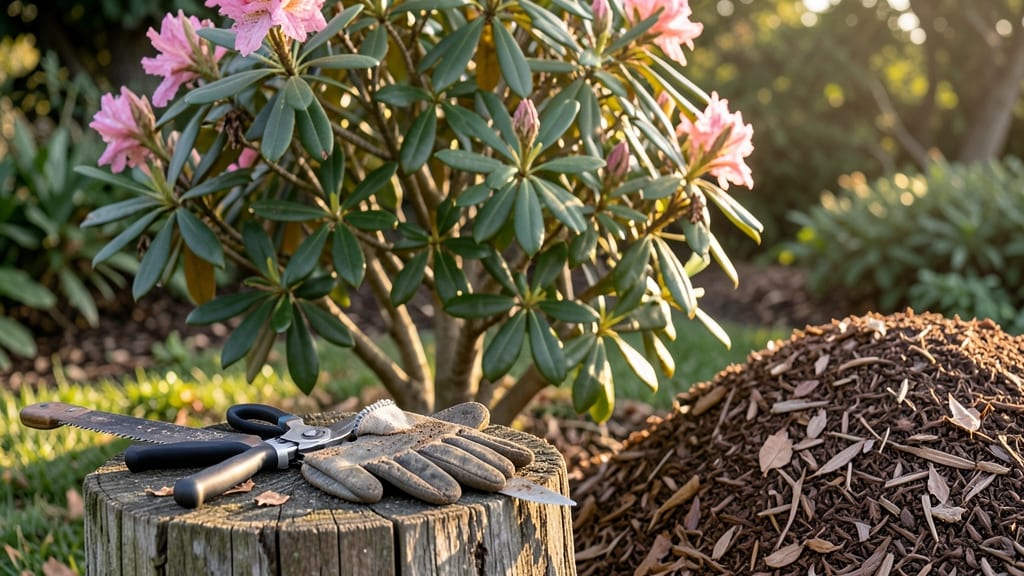
Seeing rhododendron pruning before and after can be a game-changer—your bushes could look shockingly lush by next spring if you prune them now while they're dormant. ✂️ I've turned tangled, overgrown bushes into neat, blooming showstoppers using just three focused cuts each year, and the difference in flower production is night-and-day.
The key isn't aggressive trimming but strategic shaping that encourages dense growth and next year's buds.
Most people wait until after blooming, but the best time is actually late winter or early spring before new growth starts. You'll need clean, sharp pruners (dull blades tear stems), a handheld saw for thicker branches, and a bucket for clippings.
The goal is to remove dead wood first, then shape the outer edges to let light reach the center—where those fat, velvety buds form.
After pruning, your bushes will look sparser at first, but within weeks, fresh green shoots appear along the branches. By summer, you'll have fuller foliage and, come spring, more blooms than you've seen in years.
The secret? Cut just above a bud or branch junction at a 45-degree angle to prevent water pooling.
This method works for all rhododendron types—from dwarf varieties to towering specimens—whether you're shaping a hedge or a single statement plant. The transformation isn't instant, but the payoff in healthier growth and bigger blooms makes it worth the 30 minutes of work. Let's get those bushes looking their best!
📚 In This Guide
- What you need
- Instructions
- Tips and common mistakes
- Wrapping up and next steps
What you need
- ● Bypass pruning shears – Sharp, clean shears (4-6 inches) for precise cuts on smaller branches.
- ● Loppers – For thicker branches (8-10 inches), with a bypass or anvil blade.
- ● Pruning saw – A small, lightweight saw (8-10 inches) for stubborn, larger stems.
- ● Gloves – Heavy-duty, cut-resistant gloves to protect your hands from thorns and rough bark.
- ● Disinfectant (70% isopropyl alcohol or bleach solution) – To sterilize tools between cuts and prevent disease.
- ○ Extension pole (optional) – For reaching high branches without a ladder (10-12 feet).
- ○ Ladder (optional) – If your rhododendron is tall (ensure it’s stable and rated for your weight).
- ○ Pruning sealant (optional) – For sealing larger cuts (1-inch diameter or thicker) to prevent disease.
- ● Trash bags or bucket – To collect pruned branches for easy cleanup.
- ○ Notebook & pen (optional) – To sketch your rhododendron’s shape before pruning for reference.
- ● Choose a dry, overcast day to avoid stressing the plant (prune in late winter or early spring, before new growth starts).
- ● Wear comfortable clothing with long sleeves to protect from scratches and sun exposure.
- ● Have a clear plan—decide on your pruning goals (e.g., shaping, rejuvenation, or removing dead wood) beforehand.
Step-by-step instructions for pruning rhododendrons
Here's how I transform overgrown rhododendrons into lush, flowering shrubs in just three straightforward steps.
✂️ Step 1: Assess and Plan Your Pruning Strategy
Start by examining your rhododendron's structure from all sides. Look for dead, crossing, or crowded branches—they're your first targets. I always prune in late winter to early spring before new growth begins, but never after buds have swollen. Use clean, sharp pruning shears to make precise cuts just above a leaf node or outward-facing bud.
Step back and visualize the shape you want. Rhododendrons naturally grow in a rounded form, so aim to maintain that silhouette. I sketch a rough outline in my mind—this ensures I don't over-prune and create an unnatural look. If your shrub is severely overgrown, plan to remove no more than one-third of the total growth in a single session to avoid stressing the plant.
✂️ Step 2: Remove Dead and Problematic Branches
Begin by cutting out any dead or diseased branches at their base. These are easy to spot—they'll be brown, brittle, or completely devoid of leaves. Next, tackle crossing branches that rub against each other, which can create wounds and invite pests. I always remove the smaller of the two branches to preserve the plant's natural shape.
Look for branches growing inward toward the center of the shrub. These compete for light and air circulation, weakening the plant. Cut these back to an outward-facing bud to encourage new growth in the right direction. Avoid cutting into old wood—rhododendrons bloom on last year's growth, so never prune back into the previous year's flowering stems unless they're clearly dead.
✂️ Step 3: Shape and Thin for Airflow and Light
Now focus on thinning the interior to improve airflow and light penetration. Select branches spaced evenly around the shrub and cut them back to a strong lateral branch or bud. I like to work from the bottom up, gradually opening up the center. This creates a more open, airy structure that reduces disease risk and encourages stronger flowering.
For the outer shape, make small adjustments to maintain the natural rounded form. Step back frequently to check your progress—you're aiming for a balanced, full appearance. Avoid heavy pruning on one side, as this can create an unnatural lean. Once finished, your rhododendron should look fuller, more open, and ready to burst into bloom. Water deeply after pruning to help the plant recover.
Tips & tricks for perfect rhododendron pruning
Transforming overgrown rhododendrons into stunning shrubs takes more than just cutting branches—it's about strategic planning and technique.
Timing is Everything: Late winter to early spring is the ideal window for pruning rhododendrons, right before buds begin to swell. This timing ensures you're cutting into fresh growth while avoiding the risk of damaging next year's blooms. I always check for bud swelling by gently pressing a few buds—if they're firm but not yet opening, it's safe to prune. Never prune after buds have swollen, as this removes potential flowers.
Tool Precision Matters: Using clean, sharp pruning shears is non-negotiable for making precise cuts. Dull shears can crush stems, creating larger wounds that take longer to heal. I always clean my shears with rubbing alcohol between cuts to prevent spreading any potential diseases. For thicker branches, I use loppers with a bypass blade—they make cleaner cuts that heal faster than the tear-and-crush action of anvil pruners.
Visualizing the Outcome: Before making any cuts, step back and mentally sketch the ideal shape—rhododendrons naturally grow in a rounded form. I find it helpful to use a garden hose or string to outline the desired shape before pruning. This prevents over-pruning and helps maintain that natural, full silhouette. Remember, you can always remove more later, but you can't put branches back once they're gone.
Stress Reduction Strategy: When dealing with severely overgrown shrubs, never remove more than one-third of the total growth in a single session. This rule prevents shock to the plant and allows it to recover properly. I often split heavy pruning into two sessions spaced a few weeks apart. After pruning, always water deeply to help the plant recover and reduce stress.
Pro Tips for Rhododendron Pruning Before And After
- Transforming overgrown rhododendrons into stunning shrubs takes more than just cutting branches—it's about strategic planning and technique.
- Timing is Everything: Late winter to early spring is the ideal window for pruning rhododendrons, right before buds begin to swell.
- Tool Precision Matters: Using clean, sharp pruning shears is non-negotiable for making precise cuts.
Frequently asked questions
Got questions about pruning rhododendrons? You’re not alone! Here are answers to the most common concerns—so you can tackle your bushes with confidence.
When is the best time to prune rhododendrons?
The ideal window is late winter to early spring (February–March in most climates), just as new growth begins but before buds swell. Avoid pruning in fall—it can stress the plant and invite pests. If you missed the season, a light trim in summer is better than none!
How much can I cut back without hurting my rhododendron?
Never remove more than one-third of the plant’s total growth in a single season. Focus on dead, crossing, or overcrowded branches first. For rejuvenation, you can prune back to healthy wood (green stems with buds), but avoid drastic cuts—rhododendrons respond best to gradual shaping.
What if my rhododendron bleeds sap after pruning?
Sap oozing (called “bleeding”) is normal and harmless—it’s the plant’s way of sealing wounds. To minimize it, use sharp tools and prune on a dry, cool day. Avoid pruning during warm, humid weather. If sap bothers you, dip cut ends in pruning sealant (optional for rhododendrons, but some gardeners swear by it).
Can I prune rhododendrons to encourage more flowers?
Yes! Prune after flowering to shape the plant and promote next year’s blooms. Remove spent flower clusters (deadheading) to redirect energy to new growth. Avoid heavy pruning in spring—this can delay or reduce flowering. For older, leggy bushes, a rejuvenation prune (cutting back ⅓ of the oldest stems) can revive vigor and flowers.
What should I do if it rains right after pruning?
Don’t stress! A little rain won’t harm fresh cuts, but avoid pruning during heavy downpours or right before forecasted storms. If cuts are large, the rain may wash away sap, but the plant will recover. Just clean tools with rubbing alcohol afterward to prevent fungal spread in damp conditions.
Wrapping up and next steps
Pruning your rhododendron can feel like a game-changer—turning a tangled, overgrown shrub into a lush, vibrant centerpiece with just a few strategic cuts! 🌿 The key is timing, technique, and patience, but the results are worth every minute.
Whether you’re tackling dead branches, shaping for blooms, or encouraging new growth, these steps will leave your garden thriving.
Ready to see the transformation? Grab your tools, follow the guide, and watch your rhododendron shine brighter than ever. Next, snap a before-and-after photo—your future self (and fellow gardeners!) will thank you!