
Aphids
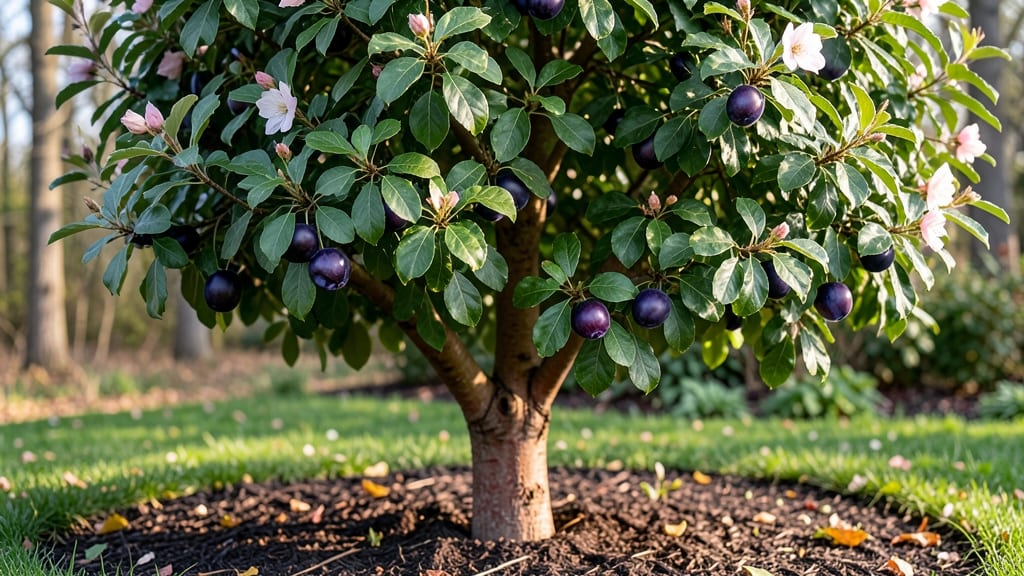
The Prunus 'Thundercloud' plum isn't just another tree—it's a disease-resistant powerhouse that turns your yard into a fruit bonanza. 🌟 I planted mine three years ago after reading about its massive, purple-black plums, and now I'm hooked on how reliably it produces.
This isn't your average backyard plum; it's a showstopper with glossy foliage, stunning spring blossoms, and fruit so heavy the branches sag under the weight. What makes this plum special is its unmatched resilience—it handles powdery mildew, bacterial spot, and even aphids better than most varieties.
The key lies in its thick, disease-resistant leaves and strong structure, which means less fuss and more fruit. You'll need full sun (6+ hours daily) and well-draining soil with a pH of 6.0–7.0, but beyond that, it's a low-maintenance giant that thrives in zones 5–8.
Once established, it requires minimal watering, just enough to keep the roots moist during dry spells. By late summer, you'll be harvesting 2–3 pound plums that burst with deep purple flesh and a honeyed-sweet flavor.
The birds might eye them first, but with a light harvest netting, you'll secure your share. Pruning in late winter keeps the tree open and productive, while fertilizing in early spring ensures those branches stay strong enough to support the weight.
Perfect for both fruit lovers and ornamental gardeners—this plum delivers year-round interest from blossoms to fruit to striking fall foliage. Here's how to grow one that outshines the rest.
📚 In This Guide
- What you need
- Instructions
- Tips and common mistakes
- Wrapping up and next steps
What you need
- ● Prunus Thundercloud Plum Tree: 1 bare-root or container-grown sapling (3–4 ft tall, 1–2 in trunk diameter). Pro tip: 🌡️ Buy from a reputable nursery to ensure disease resistance!
- ● Well-draining soil: 1–2 cubic yards of a mix of native soil, compost (50%), and perlite/sand (20%) for optimal drainage.
- ● Fertilizer: Balanced fertilizer (10-10-10) – 1 lb per tree at planting.
- ● Slow-release organic fertilizer (e.g., 5-5-5) – 1 lb for spring feeding.
- ● Mulch: 2–3 inches of wood chips or straw to retain moisture and suppress weeds.
- ● Shovel & spade – For digging the planting hole.
- ● Garden fork – To loosen compacted soil.
- ● Pruners (bypass) – For trimming dead branches or shaping the tree.
- ● Watering can or hose with nozzle – For consistent hydration.
- ● Garden gloves – To protect your hands while working.
- ● Tree guard or protective fence – To deter pests like aphids or deer.
- ● Drip irrigation system – For efficient watering, especially in dry climates.
- ● Neem oil or insecticidal soap – For organic pest control if aphids appear.
- ● Soil pH tester – To ensure your soil is slightly acidic (pH 6.0–6.5).
Step-by-Step instructions for planting and caring for Prunus Thundercloud plum
Here's how to set up this stunning, high-yielding plum for years of reliable harvests.
🪴 Step 1: Choose the Perfect Planting Site
Thundercloud plums thrive in full sun—at least 6-8 hours daily. I always pick the sunniest spot in my yard, even if it means moving a patio chair. The tree needs room to spread: plant 15-20 feet away from structures or other trees to prevent root competition and fungal spread.
Soil should drain well but retain moisture—this plum hates soggy feet. Amend heavy clay with 2-3 inches of compost mixed into the top 12 inches of soil. The ideal pH is 6.0-7.0. Test your soil first—lime or sulfur may be needed to adjust pH before planting. I dig a hole twice as wide as the root ball but only as deep as the container's root base.
🌱 Step 2: Plant at the Right Time and Depth
Plant bare-root trees in late fall or early spring while dormant, or container-grown trees in early spring. The key is avoiding extreme heat or frost. Soak the roots in water for 1-2 hours before planting to rehydrate them. Position the tree so the graft union (visible bump near the base) sits 2-3 inches above soil level—this prevents rot.
Backfill with native soil mixed with a 5-gallon bucket of compost, tamping gently to remove air pockets. Water deeply until soil settles, then create a 4-inch high berm around the base to direct water away from the trunk. Mulch with 3 inches of wood chips, keeping mulch 6 inches away from the trunk to prevent rot. This helps retain moisture while protecting roots from temperature swings.
☀️ Step 3: Water Deeply and Establish Proper Care Routine
Water deeply once weekly during the first growing season, providing 10-15 gallons per watering. You'll know it's enough when water reaches 12 inches deep. Let the top 2-3 inches of soil dry between waterings—this encourages deep root growth. Avoid overhead watering, which spreads fungal spores that can infect the tree.
Fertilize lightly in early spring with ½ cup of 10-10-10 granular fertilizer spread over the root zone. Thundercloud plums are disease-resistant but still benefit from copper fungicide spray applied in late spring to prevent early signs of leaf spot. Prune in late winter to remove dead wood and shape the tree, but avoid heavy pruning—this variety produces fruit on older wood.
✂️ Step 4: Maintain for Heavy Fruit Production
Thundercloud plums bear fruit on second-year wood, so avoid aggressive pruning. Instead, focus on removing suckers at the base and crossing branches that rub together. Thin fruit clusters in late spring to 6-8 inches apart—this prevents overloading branches and improves fruit size. I harvest when fruit yields slightly to gentle pressure and has deep purple-black skin.
Watch for Japanese beetles in summer—they love plum leaves. Handpick early in the morning or use neem oil spray as needed. In fall, rake up and destroy any dropped fruit to prevent fungal diseases from overwintering. The tree's disease resistance makes maintenance easier, but consistent care ensures those giant, flavorful plums you planted for.
Tips & tricks for planting and growing a thriving thundercloud plum tree
Here's what I've learned after years of growing these reliable fruit trees—tricks that make all the difference between a struggling sapling and a productive powerhouse.
Sunlight Strategy: If your yard doesn't get full sun, consider planting near a south-facing wall or fence. Thundercloud plums will tolerate 6-8 hours of direct sunlight daily, but they produce the most fruit when they get maximum exposure. I've seen trees in partial shade still fruit, but the harvests are noticeably smaller. In Step 1, if you're unsure about sunlight, use a sunlight calculator app to track your yard's exposure patterns for a full week.
Root Preparation Secret: That 1-2 hour root soaking in Step 2 is non-negotiable—don't skip it! I learned this the hard way when my first tree struggled because I rushed planting. Soak the roots in a bucket of water with a handful of rooting hormone powder for even better results. This rehydration step prevents transplant shock and helps the roots establish faster in their new home.
Watering Wisdom: The 10-15 gallons per week guideline in Step 3 might seem like a lot, but it's crucial for the first two years. I use a rain gauge to monitor natural rainfall and only add water when we get less than 1 inch of rain per week. The deep watering encourages roots to grow downward rather than staying shallow, which makes the tree more drought-resistant once established. A soaker hose makes this job much easier than trying to water by hand.
Soil Test Tip: Before you plant, get a soil test kit from your local extension office—it's usually under $20. The ideal 6.0-7.0 pH mentioned in Step 1 is critical, but many soils need adjustments. I had to add sulfur to my alkaline soil, and the difference in tree health was dramatic. If your test shows extreme pH levels, consider planting in a raised bed where you can control the soil composition completely.
Pro Tips for Prunus Thundercloud Plum
- Here's what I've learned after years of growing these reliable fruit trees—tricks that make all the difference between a struggling sapling and a productive powerhouse.
- Sunlight Strategy: If your yard doesn't get full sun, consider planting near a south-facing wall or fence.
- Root Preparation Secret: That 1-2 hour root soaking in Step 2 is non-negotiable—don't skip it!
Frequently asked questions
about the Prunus Thundercloud Plum—because every gardener deserves clarity! Here are answers to the most common queries to help you grow this stunning, disease-resistant plum with confidence.How big does the Prunus Thundercloud Plum tree grow, and how much space does it need?
The Thundercloud Plum is a true giant, typically reaching 15–20 feet tall and wide at maturity. Plant it 15–20 feet from fences or buildings to allow for airflow and sunlight. If space is limited, consider dwarfing rootstock (like St. Julian A) to keep it under 10 feet.
When is the best time to harvest Thundercloud Plums, and how do I know they’re ripe?
Harvest in late summer to early fall (August–September, depending on your climate). Ripe plums should yield slightly to gentle pressure, have a deep purple-black hue, and smell sweet. Avoid harvesting when unripe—they won’t improve off the tree!
Is the Thundercloud Plum truly resistant to pests and diseases, or does it still need protection?
This cultivar is highly resistant to brown rot, powdery mildew, and aphids, but it’s not invincible. Monitor for Japanese beetles and plum curculio early in the season. Prune for airflow and remove fallen fruit to minimize pest risks. A light copper spray in spring can add extra defense.
Can I grow a Thundercloud Plum in a container, or does it need to be planted in the ground?
While possible in a large container (20+ gallons), this tree thrives best in the ground. Containers restrict root growth and may limit fruit production. If you must pot it, use well-draining soil, full sun, and fertilize regularly. Expect smaller yields compared to in-ground planting.
How cold-hardy is the Prunus Thundercloud Plum, and can it survive winter in colder climates?
The Thundercloud Plum is hardy to USDA Zones 5–9, making it adaptable to most U.S. regions. In colder zones (Zone 5), plant in a sheltered spot and mulch heavily to protect roots. Young trees may need winter wrapping for the first few years to prevent sunscald.
What are the best uses for Thundercloud Plums—eating fresh, cooking, or preserving?
These plums are versatile and delicious! Enjoy them fresh when fully ripe, or use them for jams, jellies, pies, and brandy. Their thick skin and low acidity make them ideal for drying or freezing. Pro tip: Thunderclouds hold up well in sauces and desserts—perfect for late-season baking!
Wrapping up and next steps
The Prunus Thundercloud Plum isn’t just another fruit tree—it’s a game-changer for gardeners craving disease-resistant, high-yielding plums with minimal fuss. 🌟 Whether you’re battling aphids, aphid-resistant varieties, or just want a stunning, low-maintenance tree, this giant delivers bold flavor, vibrant blooms, and resilience in every season.
Ready to transform your garden? Start by planting one today—your taste buds (and neighbors!) will thank you.
Pro tip: Pair it with companion plants like marigolds or lavender to keep pests at bay and boost that Thundercloud Plum magic! 🌿