
Trees
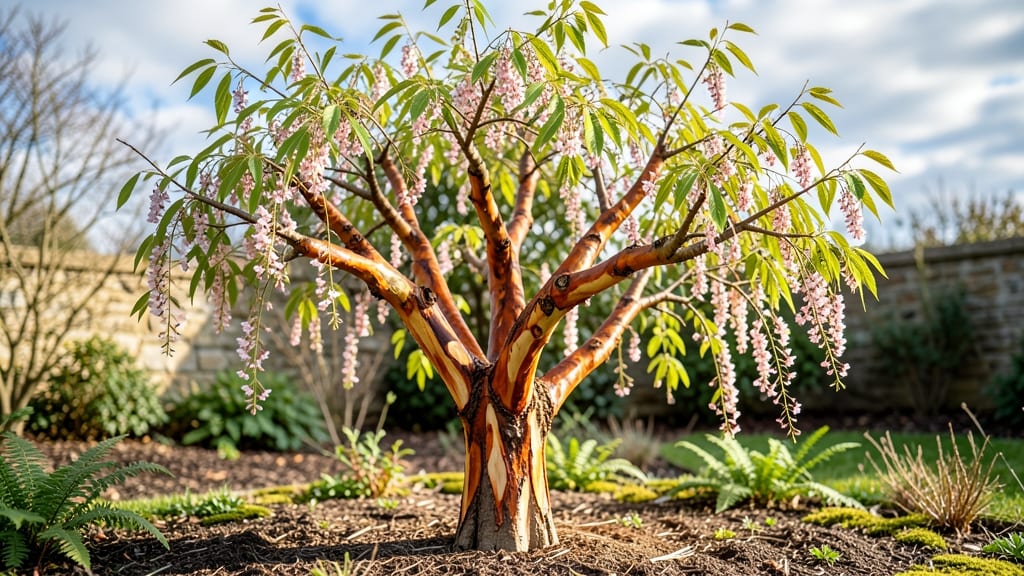
This Prunus serrula 'Amanogawa' isn’t just another cherry tree—it’s a fragrant, four-season stunner that turns heads in winter too. 🌿 I fell for its peeling cinnamon bark and delicate spring blossoms, but what really sold me was how it keeps its charm even when everything else is dormant.
The secret lies in its compact size and adaptability, making it perfect for small yards or container growing. You’ll want well-draining soil and morning sun with afternoon shade to keep those blossoms popping.
Plant in early spring when the soil warms to 50°F, and choose a spot where it can grow 10-15 feet wide—its slow growth means it won’t outpace your patience.
The bark alone makes it worth growing, but those pink spring flowers and fragrant foliage in summer are the real showstoppers. Once established, it’s low-maintenance: water deeply once a week in dry spells, fertilize lightly in spring, and prune only to shape.
The real magic happens when it sheds its leaves in fall, revealing that cinnamon-colored bark that smells like a spice cabinet. Few trees offer this much year-round interest in such a tidy package. For city gardens or small spaces, this is the ultimate fragrant, low-fuss tree.
Just avoid heavy clay soils—it hates soggy roots. Let’s get yours planted!
📚 In This Guide
- What you need
- Instructions
- Tips and common mistakes
- Wrapping up and next steps
What you need
- ● Prunus serrula "Amanogawa" sapling: 1–2 healthy nursery-grown plants (3–5 years old for faster results)
- ● Ensure it’s labeled or verified—this cultivar is rare!
- ● Well-draining soil: 60% loamy soil + 30% organic compost + 10% perlite/pumice (for aeration)
- ● pH range: 5.5–6.5 (slightly acidic)
- ● Sunlight access: Full sun (6+ hours/day) or partial shade (4–6 hours) in hot climates
- ● Watering tools: Watering can or hose with adjustable nozzle
- ○ Drip irrigation kit (optional but ideal for consistent moisture)
- ● Hand tools: Pruners (sterilized, sharp)
- ● Trowel (for planting/transplanting)
- ● Garden gloves (to protect from thorns)
- ● Fertilizer: Balanced 10-10-10 fertilizer (spring/fall) or slow-release granules
- ● Avoid high-nitrogen fertilizers (can harm blooms)
- ● Mulch: 2–3 inches of wood chips or pine bark (retains moisture, deters weeds)
- ○ Optional (but helpful!): Soil moisture meter (to monitor watering needs)
- ● Tree support stake (for young saplings in windy areas)
- ● Pest-control spray (neem oil or horticultural oil for aphids)
Step-by-Step instructions for cultivating Prunus serrula amanogawa
Here’s how to coax this rare dwarf cherry into thriving health—its delicate blooms and intoxicating scent are worth every careful step.
🪴 Step 1: Select the Perfect Planting Site
Prunus serrula amanogawa demands full sun exposure—at least 6 hours daily—to produce its signature fragrant blossoms. I always choose a spot with morning sunlight and afternoon shade in hot climates, as direct afternoon sun can scorch the tender leaves. The soil should drain exceptionally well; this tree hates soggy roots, so avoid low-lying areas where water pools.
Test your soil’s drainage by digging a hole, filling it with water, and timing how long it takes to drain. If it takes more than 30 minutes, amend the site with 2-3 inches of coarse sand or perlite mixed into the top 12 inches of soil. The ideal pH range is 6.0-7.0—slightly acidic to neutral. If your soil runs alkaline, add sulfur or peat moss to adjust it gradually over a few months.
🌱 Step 2: Plant with Precision During Dormancy
Timing is critical: plant your Prunus serrula amanogawa in early spring or late fall, when the tree is dormant. This minimizes transplant shock and gives roots time to establish before summer heat or winter cold sets in. Dig a hole twice as wide as the root ball but only as deep—planting too deep suffocates the roots, while too shallow leaves them exposed to temperature swings.
Gently loosen the root ball if it’s tightly bound, then place the tree in the hole so the top of the root ball sits 1 inch above ground level. Backfill with native soil, tamping lightly to remove air pockets but avoid compacting the roots. Water deeply to settle the soil and eliminate gaps. Mulch with 2-3 inches of organic mulch (like shredded bark) around the base, keeping it 6 inches away from the trunk to prevent rot.
☀️ Step 3: Establish a Watering Routine for Strong Roots
For the first 2-3 months, water deeply twice weekly to encourage deep root growth. You’ll know you’re doing it right when the soil stays moist 6 inches down—use a moisture meter or stick your finger in to check. After the initial establishment period, reduce to once weekly during dry spells, but always adjust based on rainfall. Overwatering is the fastest way to kill this tree; it’s far better to underwater slightly than drown the roots.
In the first year, avoid fertilizing—your tree’s energy should focus on root development, not foliage. Once established, apply a balanced, slow-release fertilizer (like 10-10-10) in early spring only. Too much nitrogen will produce lush leaves at the expense of those coveted fragrant blooms. Prune lightly after flowering to shape the tree, but never cut more than 25% of the canopy in a single season.
✂️ Step 4: Prune for Health and Fragrance
Prune your Prunus serrula amanogawa in late winter or early spring, just as buds begin to swell. Remove any dead, diseased, or crossing branches first—these compete with the tree’s energy and reduce flowering. Next, thin out crowded branches to improve airflow, which prevents fungal diseases like powdery mildew. Aim for an open, vase-like shape that lets sunlight penetrate to the inner branches, where the most fragrant blooms often form.
Never prune in fall or summer; doing so stimulates new growth that won’t harden off before winter or will struggle in summer heat. After pruning, apply a thin layer of copper fungicide to any cuts larger than ½ inch in diameter to prevent bacterial infections. The tree’s natural growth habit is slow, so resist the urge to over-prune—patience here ensures a lifetime of fragrance.
🌿 Step 5: Protect and Enjoy Year-Round
This dwarf cherry is hardy to USDA Zone 5, but young trees need winter protection in colder regions. Wrap the trunk with tree guard in late fall to shield it from voles and frost cracks. In areas with below 0°F winters, mound 4-6 inches of mulch around the base for insulation. The tree’s delicate blooms appear in early spring, often before the leaves emerge, filling the air with a scent that rivals roses.
To prolong the fragrance, plant companion shrubs like Pieris japonica or Viburnum bodnantense nearby—their overlapping bloom times create a sensory garden experience. Avoid planting under large trees that will compete for water and nutrients. With proper care, your Prunus serrula amanogawa will reward you with 20-30 years of intoxicating scent and elegant form.
Tips & tricks for perfect Prunus serrula amanogawa cultivation
Between us, these small details make all the difference with this finicky but rewarding dwarf cherry.
Sunlight Strategy: While Step 1 emphasizes 6 hours of sun, I’ve found that morning sun paired with afternoon shade in hot climates produces the most vibrant blooms. The tree’s delicate leaves can scorch under intense afternoon sun, especially in summer. If you’re in a particularly hot region, consider using shade cloth (30-50% coverage) during peak afternoon hours—this prevents leaf burn while still allowing enough light for photosynthesis. The fragrance intensity directly correlates with sunlight exposure, so don’t skimp here.
Soil Drainage Test: That 30-minute drainage test in Step 1 is non-negotiable. I learned this the hard way after losing two young trees to root rot in heavy clay soil. For even better results, mix in 10% perlite or coarse sand by volume into your amended soil—this creates larger air pockets that prevent compaction. You’ll notice the difference when water drains freely within 10-15 minutes rather than the 30-minute maximum. The roots need oxygen as much as they need water.
Winter Protection: The instructions mention winter protection for Zone 5, but I’ve seen trees in Zone 6 suffer from winter desiccation when not properly protected. Wrap the trunk with tree guard in late fall, then add an extra layer of 4-6 inches of straw mulch around the base after the ground freezes. This creates an insulating blanket that protects against temperature swings. In particularly harsh winters (below 0°F), you can also wrap the entire canopy with burlap for added protection—just remember to remove it in early spring before new growth begins.
Fertilizer Timing: The early spring fertilization recommendation is spot-on, but here’s what nobody tells you—wait until you see the first signs of new growth before applying fertilizer. This ensures the tree isn’t stressed by cold temperatures while trying to process nutrients. I use a slow-release 10-10-10 fertilizer because it mimics natural nutrient release patterns. Too much nitrogen too early can actually reduce flowering, which is counterintuitive but true for this species.
Pro Tips for Prunus Serrula Amanogawa
- Between us, these small details make all the difference with this finicky but rewarding dwarf cherry.
- Sunlight Strategy: While Step 1 emphasizes 6 hours of sun, I’ve found that morning sun paired with afternoon shade in hot climates produces the most vibrant blooms.
- Soil Drainage Test: That 30-minute drainage test in Step 1 is non-negotiable.
Frequently asked questions
about Prunus serrula "Amanogawa"—your go-to guide for growing this fragrant dwarf cherry with ease!How fast does Prunus serrula Amanogawa grow, and how big will it get?
This dwarf cherry grows slowly—expect about 6–12 inches per year. Mature size is typically 10–15 feet tall and 8–10 feet wide, but pruning keeps it compact. Patience is key—its delicate blooms and fragrance are worth the wait!
Can Prunus serrula Amanogawa survive in cold climates?
Yes! It’s hardy in USDA Zones 5–8, making it a great choice for colder regions. Just plant it in well-draining soil and avoid soggy roots. A thick mulch layer in winter helps protect it from harsh temperatures.
Do I need to prune Amanogawa cherry, and when is the best time?
Pruning keeps it shapely and blooming well. The best time is late winter or early spring, before new growth starts. Remove dead/diseased branches first, then thin out crowded areas for airflow. Avoid heavy pruning—this tree blooms on old wood!
What are some common pests or diseases, and how do I prevent them?
Amanogawa is generally pest-resistant, but watch for aphids or scale insects. Spray with neem oil if needed. For disease, ensure good airflow and avoid overhead watering to prevent fungal issues like powdery mildew. Healthy soil = happy tree!
Can I grow Prunus serrula Amanogawa in a container?
Yes! It thrives in large containers (at least 18–24 inches deep) with well-draining potting mix. Use a balanced fertilizer in spring and move it to partial shade in summer. Just remember to repot every 2–3 years for root health.
Wrapping up and next steps
Prunus serrula 'Amanogawa' isn’t just a tree—it’s a fragrant masterpiece that brings joy year-round with its delicate blossoms and lush foliage. Whether you’re a seasoned gardener or just starting, this dwarf cherry offers a rewarding challenge and a stunning addition to any landscape. Ready to transform your space? Start small—plant one today and watch your garden bloom with beauty and tranquility!
- 🌱 Next step: Gather your supplies and choose the perfect spot—your Amanogawa is waiting to grow!