
Plants
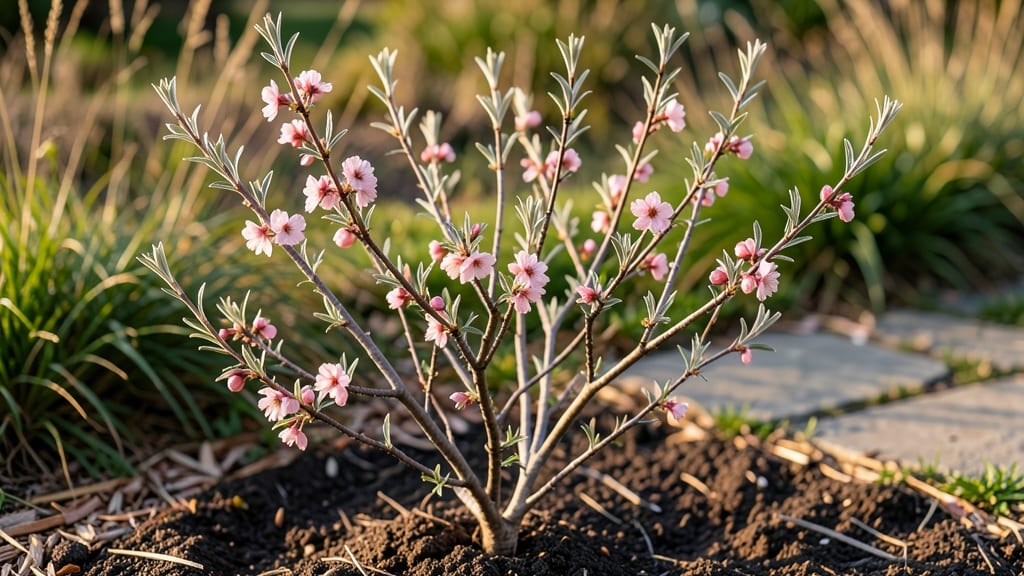
Growing Prunus glandulosa rosea means waking up a fragrant winter garden with delicate pink blooms. 🌸 This dwarf cherry tree thrives where other plants sleep, offering 3-4 weeks of early spring color and a light almond scent that fills the air.
Unlike its taller cousins, this variety stays compact—perfect for small yards or container growing. The secret to its success lies in the soil: well-draining, slightly acidic mixes with compost keep roots happy. Plant in full sun for best flowering, but it tolerates partial shade better than many ornamental trees.
Water deeply after planting, then let the soil dry between waterings—overwatering is its only real enemy. By late summer, you’ll see new growth budding for next year’s display. Prune lightly in late winter to shape, but avoid heavy cuts—this tree blooms on old wood.
The fragrance alone makes it worth the care, plus it attracts pollinators early in the season. Common issues like leaf drop usually mean too much water or poor drainage. Slow growth? It’s normal—this tree takes its time.
With the right spot, it repays patience with years of effortless beauty and seasonal interest.
📚 In This Guide
- What you need
- Instructions
- Tips and common mistakes
- Wrapping up and next steps
What you need
- ● Prunus glandulosa 'Rosea' plant: 1 mature or young tree (ensure it’s disease-free and healthy).
- ● Well-draining soil: 5–10 cubic feet of a mix of 60% topsoil, 30% compost, and 10% coarse sand or perlite (for aeration).
- ● Organic mulch: 2–3 inches of wood chips, pine straw, or shredded bark (avoid fresh mulch near the trunk).
- ● Fertilizer: 1 lb of balanced, slow-release fertilizer (10-10-10 or 5-10-5) or organic options like fish emulsion or bone meal.
- ● Pruning tools: 1 pair of bypass pruners (for small branches).
- ● 1 pruning saw (for thicker branches, 1–2 inches in diameter).
- ● 1 sterilizing solution (70% isopropyl alcohol or bleach-water mix).
- ● Watering supplies: 1 garden hose with adjustable nozzle or watering can (5+ gallons capacity).
- ○ 1 moisture meter (optional but helpful for tracking soil hydration).
- ● Gloves: 1 pair of gardening gloves (nitrile-coated for grip and protection).
- ● Plant support: 1–2 stakes or bamboo canes (if replanting a young tree).
- ● Pest control: Neem oil spray (for aphids or scale insects).
- ○ Diatomaceous earth (optional, for soil-dwelling pests).
- ● Seasonal care: 1 thermometer (to monitor winter temperatures if in a cold climate).
- ● Burlap or frost cloth (for young trees in harsh winters).
Step-by-Step guide to reviving Prunus glandulosa Rosea after dormancy
Here’s how to coax your fragrant Prunus Glandulosa Rosea back to life and encourage lush, fragrant growth.
🌱 Step 1: Prune Dormant Branches for Airflow and Light
Use clean, sharp pruning shears to remove any dead, crossing, or weak branches first. These are easy to spot—they’re brown, brittle, or growing inward. Cut just outside the bud where the branch meets the main stem. This opens up the center of the plant, letting sunlight and air reach inner branches.
Next, look for branches that grew too long last season. Prune these back by about one-third to encourage bushier growth. Make cuts at a slight angle, about ¼ inch above an outward-facing bud. This ensures new growth will spread outward, creating a fuller canopy. Avoid cutting into the center too much—you want to keep the plant’s natural shape while promoting airflow.
💧 Step 2: Test Soil Moisture and Amend Before Watering
Before adding water, check the soil’s moisture level by sticking your finger 2-3 inches deep. If it feels dry, it’s time to water, but if it’s still damp, wait another day or two. Overwatering in early spring can rot roots while they’re still dormant. When you do water, do it deeply—soak the soil until water runs out of the drainage holes at the bottom of the pot or garden bed.
If the soil feels compacted or dry, mix in 2-3 inches of compost around the base of the plant. This improves drainage and adds nutrients without overwhelming the plant. Avoid heavy fertilizers right now—the plant is just waking up and doesn’t need a nutrient surge yet. A light layer of mulch (like shredded bark) will help retain moisture and regulate soil temperature as the weather warms.
☀️ Step 3: Gradually Introduce Sunlight and Warmth
Prunus Glandulosa Rosea thrives in full sun (6-8 hours daily), but after dormancy, it’s sensitive to sudden exposure. Start by placing the plant in a spot with morning sun and afternoon shade for the first week. This helps it adjust without stress. Watch for leaves that look wilted or curled—this is a sign it’s getting too much sun too soon.
As new growth appears (usually within 2-3 weeks), you can gradually move it to sunnier spots. If you’re in a colder climate, wait until nighttime temperatures stay above 50°F before full sun exposure. The plant’s fragrant blooms will develop best with consistent sunlight, so patience here pays off in a lush, aromatic display later in the season.
✂️ Step 4: Monitor New Growth and Adjust Care
Once you see new shoots (about 2-3 inches long), it’s time to fertilize lightly. Use a balanced, slow-release fertilizer (like 10-10-10) at half strength to avoid burning tender roots. Apply it to the soil around the base, keeping it 3-4 inches away from the stem. Water deeply after fertilizing to help nutrients spread evenly.
Keep an eye out for pests like aphids or spider mites, which love new growth. A gentle spray of water can often dislodge them, or use neem oil if infestations appear. Prune any suckers (shoots growing from the base) as they appear—they drain energy from the main plant. With consistent care, your Prunus Glandulosa Rosea will reward you with a fragrant, dense canopy by late spring.
Tips & tricks for reviving Prunus glandulosa Rosea after dormancy
Let me share the little secrets that’ll help your fragrant rosea bounce back stronger than ever.
Pruning Precision: When you’re pruning those long branches in Step 1, focus on cutting just above a bud that faces outward. This isn’t just about shape—it’s about directing the plant’s energy where you want it. I’ve seen plants develop uneven growth when cuts were made too close to the center or at the wrong angle. Also, sterilize your pruning shears with rubbing alcohol between cuts to prevent spreading disease.
Soil Test Hack: Before amending your soil in Step 2, do a simple test: squeeze a handful of soil. If it crumbles easily, it’s dry enough for watering. If it stays clumped, wait another day. The goal is to mimic natural spring conditions where water penetrates deeply but doesn’t pool. I’ve ruined several plants by overwatering during dormancy—trust me, patience here prevents root rot.
Sunlight Transition Strategy: That first week of morning sun and afternoon shade in Step 3 is critical. Think of it like sunbathing after winter—you wouldn’t go from zero to full sun in a day, right? If you notice leaves curling or turning yellow, you’ve pushed it too fast. Gradually extend the sun exposure by 30 minutes each day until it’s getting full sun for 2-3 hours by the end of the second week.
Fertilizer Timing: Waiting for those 2-3 inch shoots in Step 4 before fertilizing is key. I used to fertilize too early and ended up burning delicate new roots. When you do apply that half-strength fertilizer, water it in immediately—this helps prevent salt buildup that can harm tender roots. And remember, more isn’t better: a little goes a long way with this sensitive plant.
Pro Tips for Prunus Glandulosa Rosea
- Let me share the little secrets that’ll help your fragrant rosea bounce back stronger than ever.
- Pruning Precision: When you’re pruning those long branches in Step 1, focus on cutting just above a bud that faces outward.
- Soil Test Hack: Before amending your soil in Step 2, do a simple test: squeeze a handful of soil.
Frequently asked questions
When is the best time to prune Prunus glandulosa 'Rosea' for dormancy revival?
Prune your Prunus glandulosa 'Rosea' in late winter or early spring (February–March), just before new growth begins. Avoid pruning in fall or during active growth—this can stress the plant. Focus on removing dead, diseased, or crossing branches to encourage a lush, fragrant canopy.
How do I protect my Prunus glandulosa 'Rosea' from winter damage?
This hardy shrub tolerates cold but benefits from mulching (2–3 inches of organic mulch) to insulate roots. In extreme cold zones (below USDA Zone 5), wrap the base with burlap for extra protection. Avoid heavy snow buildup—gently brush it off to prevent branch breakage.
Why isn’t my Prunus glandulosa 'Rosea' blooming as much as it used to?
Bloom reduction often signals overcrowding, poor nutrition, or improper pruning. Ensure it gets 6+ hours of sun, fertilize in early spring with a balanced 10-10-10 formula, and prune to improve airflow. If soil is compacted, amend with compost to boost vitality.
Can I grow Prunus glandulosa 'Rosea' in containers, or is it better in the ground?
While it thrives in the ground, you can grow it in containers if you choose a large pot (15+ gallons) with drainage holes. Use well-draining soil and repot every 2–3 years. Containers dry out faster—water deeply when the top inch of soil feels dry. Just know it may bloom less abundantly than in-ground plants.
What pests or diseases should I watch for in Prunus glandulosa 'Rosea'?
Keep an eye out for aphids, scale insects, or fungal issues like powdery mildew (common in humid climates). Treat aphids with neem oil or a strong spray of water. For mildew, improve airflow and apply copper fungicide if needed. Healthy plants are resilient—focus on proper watering and sunlight to prevent stress.
Wrapping up and next steps
Prunus glandulosa rosea is a fragrant gem that rewards patience and care with stunning blooms and a lush canopy—perfect for gardeners eager to transform their outdoor spaces. 🌸 By mastering dormant-season revival techniques, you’ve unlocked the secrets to nurturing this resilient shrub year after year. Now, take that knowledge and watch your garden thrive!
Ready to elevate your green thumb game? Start by planting one this season—or share your newfound expertise with fellow plant lovers! Whether you’re a beginner or a seasoned gardener, every step counts toward creating a fragrant, vibrant landscape.