
Pruning
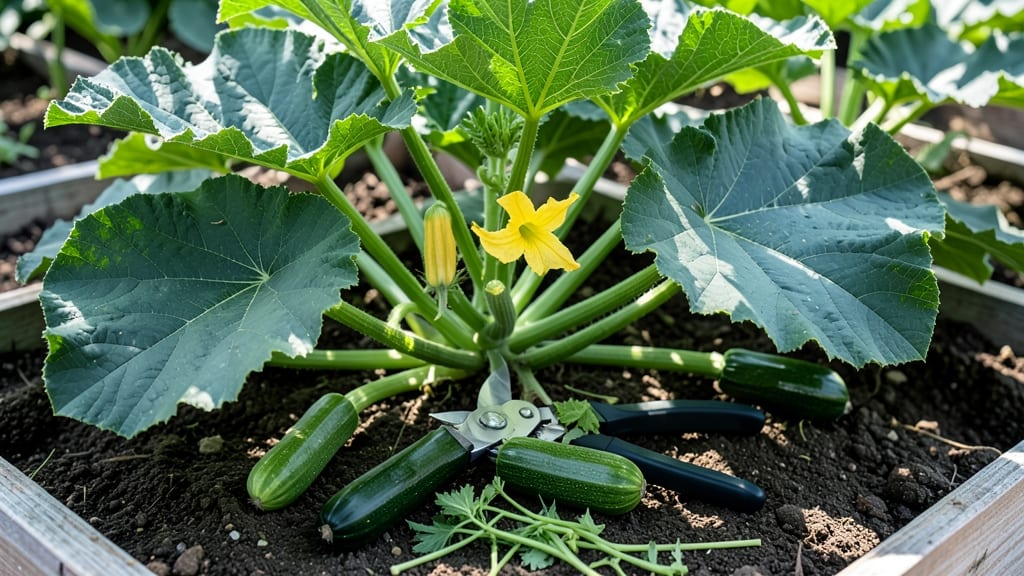
Pruning zucchini squash in dormant season isn't just trimming—it's the secret to doubling your harvest next summer. 🌱 I learned the hard way when my vines sprawled uncontrollably, shading out fruit and inviting pests.
The right cuts now mean more space for productive growth, fewer diseases, and squash that actually ripens before the birds get it. You'll need sharp pruners (clean blades prevent infection), a sunny afternoon, and about 15 minutes per plant.
Focus on removing yellowed leaves and long, leggy runners—these steal energy from fruit production. The goal is to open up the plant's center for airflow while keeping the main stem strong enough to support new growth.
What you end up with is a neater, more productive plant that focuses its energy on producing larger, healthier squash. I've gone from 6-8 small zucchinis to 12-15 that actually reach full size.
The key is timing: wait until after your first frost when the plant is dormant but still has some green leaves. This method works for both bush and vining varieties, and even helps control powdery mildew by reducing humidity in the plant's center.
Here's exactly how to do it without stressing the plant—or yourself.
📚 In This Guide
- What you need
- Instructions
- Tips and common mistakes
- Wrapping up and next steps
What you need
- ● Pruning shears or sharp bypass pruners – Look for clean, sterilized tools with a 4-6 inch blade (e.g., Felco F-2 or Gingher 7001).
- ○ Gloves (optional but recommended) – Heavy-duty gardening gloves (e.g., Foxelli or Gardeners.com) to protect against thorns or rough stems.
- ● Disinfectant (70% isopropyl alcohol or bleach solution) – 1 part bleach to 9 parts water for sterilizing tools between cuts.
- ● Compost bin or trash bag – For disposing of pruned debris (avoid composting diseased plants).
- ○ Ruler or measuring tape (optional) – To check node spacing (aim for 12–24 inches between cuts).
- ● Dormant or early-season zucchini plants – Ideal timing: Late winter/early spring (before active growth resumes).
- ● Clear, dry day – Avoid pruning after rain or in high humidity to prevent disease.
- ● Basic knowledge of plant anatomy – Familiarize yourself with nodes (leaf junctions) and vine structure.
- ● Patience and a steady hand – Pruning takes precision—rush jobs lead to uneven regrowth!
Step-by-step guide to pruning zucchini for a better harvest
Here's how I transform zucchini plants into productive powerhouses—even after the growing season ends.
✂️ Step 1: Identify and Remove Dead or Diseased Vines
Start by inspecting your zucchini plants carefully. Look for any brown, mushy stems or yellowing leaves—these are signs of disease or pests. I always grab my pruning shears and cut these sections off at a 45-degree angle, about ¼ inch above a healthy leaf node. This prevents water from pooling and causing further rot.
If you see any vines that are completely dead or hollow, snip them off completely. Don’t leave stubs—they can harbor pests or disease over winter. I like to toss these in the trash, not the compost, because diseased plant material can spread problems back into your garden.
✂️ Step 2: Prune Back Excessive Growth to Encourage Stronger Stems
Zucchini plants can get leggy and overgrown by the end of the season. To prepare them for dormancy, I trim back any overly long vines or branches that are growing away from the main stem. Cut these back to within 6-12 inches of the main stem, leaving at least 2-3 healthy leaves per branch.
This step isn’t just about tidying up—it helps the plant redirect its energy to the roots and remaining growth. You’ll notice the stems look thicker and sturdier after pruning, which means they’re better prepared to handle winter conditions. Avoid cutting into the main stem itself unless it’s diseased or dead.
✂️ Step 3: Thin Out Crowded Foliage for Better Airflow
Zucchini leaves can get so dense that they trap moisture, creating the perfect environment for fungal diseases like powdery mildew. I work my way through the plant, removing any leaves that are overlapping or blocking sunlight from reaching the lower stems. Focus on the inner parts of the plant first—these are the most prone to poor airflow.
You’ll know you’ve done enough when you can see light and air moving freely through the plant. Aim to leave about 50% of the foliage intact, especially on the outer edges where the leaves are still healthy. This balance ensures the plant can still photosynthesize efficiently while reducing disease risk.
🪴 Step 4: Prepare the Base for Winter Protection
Once the pruning is done, it’s time to prepare the plant for winter. I mound up soil or mulch around the base of the zucchini plant, creating a small hill about 6 inches high and 12 inches wide. This helps protect the stem from freezing temperatures and prevents heaving when the ground freezes and thaws.
If you’re in a colder climate, you can also wrap the base of the plant with burlap or straw for extra insulation. Leave the top of the plant exposed so it can still get some light during mild winter days. This step is all about giving your zucchini the best chance to survive and bounce back stronger next season.
⏰ Step 5: Clean Up and Monitor Through Dormancy
After pruning, gather all the cuttings and diseased material and dispose of them properly—never compost them if they show signs of disease. I like to sweep up any fallen leaves or debris around the plant and remove them from the garden bed entirely. This reduces the risk of pests and diseases lingering over winter.
Keep an eye on your pruned zucchini plants through the dormant season. If you notice any new growth or signs of pests, address them immediately. In the spring, you’ll be rewarded with a healthier, more productive plant that’s ready to take off as soon as the weather warms up.
Tips & tricks for pruning zucchini squash
Here's what nobody tells you about transforming your zucchini plants for next year's harvest—these tricks make all the difference.
Tool Selection: I can't stress enough how much better your pruning goes with the right tools. A sharp pair of bypass pruners makes clean cuts that heal faster than dull shears. For larger stems, I keep a small hand saw handy—it's a game-changer for thick, woody growth that pruners struggle with. Always sterilize your tools with rubbing alcohol between cuts to prevent spreading disease.
Timing Secret: The best time to prune zucchini for winter is when the first frost threatens but before hard freezes set in. This gives your plant just enough time to redirect energy to root development without getting damaged by extreme cold. I usually aim for late October in my zone 6 garden—about 2-3 weeks before the first expected frost date. This timing ensures the plant can still photosynthesize enough to store nutrients in its roots.
Visual Cues for Pruning: When you're deciding which leaves to keep or remove, think about sunlight penetration. Hold your hand about 6 inches from the plant—if you can't see light through the foliage, you need to thin more. For the 50% foliage rule mentioned in Step 3, I like to work in sections: remove every other leaf on crowded branches first, then adjust based on how much light reaches the center. This method gives you instant visual feedback.
Winter Protection Hack: For that 6-inch soil mound in Step 4, I've found that mixing in compost or well-rotted manure (about 1 gallon per plant) gives extra nutrients for spring regrowth. In particularly cold climates, add a layer of straw mulch on top of the mound—this creates an insulating blanket that maintains consistent soil temperatures. The key is to keep the mound loose enough to allow some airflow to the roots.
Pro Tips for Pruning Zucchini Squash
- Here's what nobody tells you about transforming your zucchini plants for next year's harvest—these tricks make all the difference.
- Tool Selection: I can't stress enough how much better your pruning goes with the right tools.
- Timing Secret: The best time to prune zucchini for winter is when the first frost threatens but before hard freezes set in.
Frequently asked questions
about pruning zucchini squash—because even seasoned gardeners have questions! Here are answers to the most common ones to help you master the art of dormant-season pruning.When is the best time to prune zucchini squash for winter?
Prune zucchini squash in late fall or early winter (after the first hard frost) once the plant has died back. This removes dead foliage, reduces disease risk, and helps the plant redirect energy to root growth. Avoid pruning in spring—wait until new growth appears before trimming.
Do I need to sterilize my pruning tools before and after?
Absolutely!
Sterilizing tools with rubbing alcohol or a 10% bleach solution prevents spreading fungal diseases (like powdery mildew) between plants. Wipe blades before and after each use, especially if you’ve pruned diseased plants. A quick rinse with water and a dry cloth keeps tools ready for the next cut.
Will pruning zucchini squash affect next year’s harvest?
Pruning correctly won’t hurt your harvest—it can improve it! Removing dead vines and suckers in winter reduces pests and diseases, giving your plant a stronger start in spring. Just avoid over-pruning in late summer (when the plant is still active), as this can stress it before dormancy.
Can I compost pruned zucchini plant material?
Yes, but with caution! If the plant was healthy, toss pruned material into your compost bin—it’ll break down quickly. If you spotted diseases (like wilting or spots) or pests, do not compost it. Instead, bag it for trash to prevent reinfesting your garden next season.
What if I missed pruning before winter—can I still do it?
Don’t stress! Prune as soon as you notice dead or diseased growth, even in early spring before new shoots emerge. Just focus on removing only the dead parts—avoid trimming live buds or stems. Your zucchini plant is resilient and will bounce back with proper care.
Wrapping up and next steps
Pruning your zucchini squash during the dormant season is a game-changer—it boosts next year’s harvest, improves plant health, and keeps pests at bay.
By following these steps, you’re not just tidying up; you’re investing in a more productive garden. 🌱 Now that you’re armed with the know-how, grab those shears and get pruning! Your future zucchini bounty will thank you.
Ready to take it further? Document your progress in a gardening journal or share your pruning wins with fellow gardeners online. Every small step keeps your garden thriving!