
Pruning
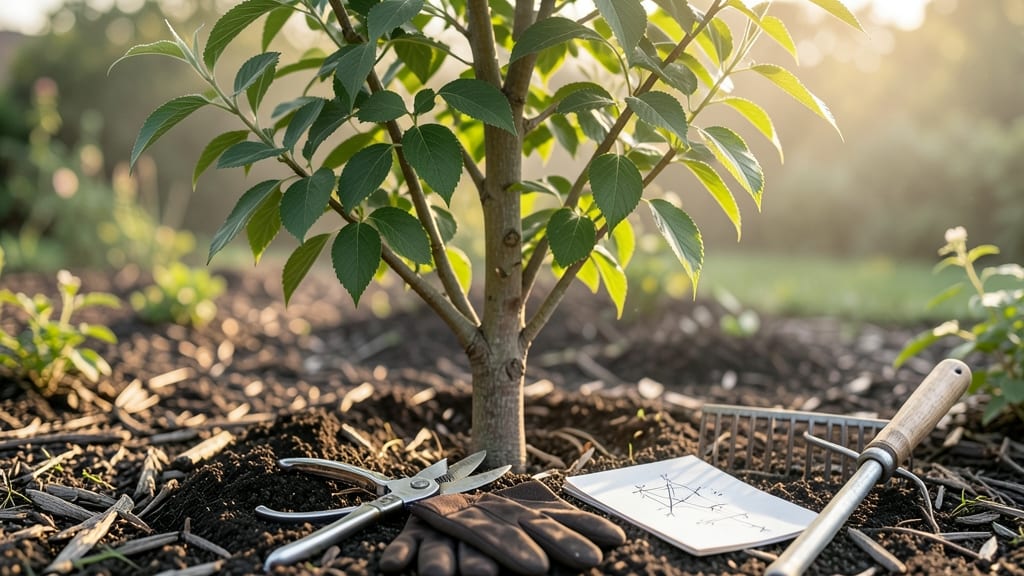
Your vitex chaste tree could be blooming twice as hard—if you prune it right. ✂️ I’ve turned my once-sparse shrub into a purple explosion by mastering this three-step method, and the key is timing, cuts, and patience.
Most gardeners over-prune or wait too long, but this approach guarantees lush, continuous blooms from summer through fall.
The best time to prune is late winter or early spring, before new growth starts. You’ll need sharp pruners, gloves, and a clear day—this isn’t a quick job, but it’s worth it.
Start by removing dead or crossing branches first, then shape the shrub by cutting back one-third of the oldest stems to encourage fresh growth. The goal? A rounded, open shape that lets sunlight and air circulate.
Within 4-6 weeks, you’ll see new shoots bursting with energy, and by summer, those vibrant purple blooms will cover the branches like a cloud. The secret is never pruning after mid-summer—that’s when vitex sets buds for next year’s flowers.
Proper pruning also keeps the shrub compact, making it easier to maintain and admire from every angle of your garden.
Works for any vitex variety, whether you’ve got a mature shrub or a young plant. The same principles apply—just scale the cuts. Ready to transform that leggy vitex into a showstopper? Let’s get to it.
📚 In This Guide
- What you need
- Instructions
- Tips and common mistakes
- Wrapping up and next steps
What you need
- ● Pruning shears: Bypass pruners (sharp, 6–8" blades) for clean cuts on small stems. (1 pair required)
- ● Loppers: Bypass or anvil type (8–12" cutting capacity) for thicker branches. (1 pair recommended)
- ● Pruning saw: Curved-tooth saw (for branches >1" thick). (1 required if needed)
- ● Gloves: Heavy-duty, cut-resistant (to protect hands from thorns and sap). (1 pair)
- ● Disinfectant: Rubbing alcohol (70%+) or pruning sealant (to sterilize tools between cuts). (Small bottle)
- ● Trash bags: Heavy-duty, 30+ gallon (for collecting pruned branches). (1–2 bags)
- ○ Ladder: Sturdy, extendable (if your Vitex exceeds 6–8 ft tall). (Optional, but helpful!)
- ○ Marking twine or flags: Colored twine or stakes (to tag branches for removal if needed). (Optional)
- ● Best time to prune: Late winter or early spring (before new growth starts). ✨Pro tip: Avoid pruning in fall—it can stimulate tender growth that won’t survive frost!
- ● Weather check: Choose a dry, calm day (no rain in the forecast for 24–48 hours).
- ○ Safety gear: Safety glasses (to shield eyes from debris). (Optional but smart!)
- ● Plant health: Ensure your Vitex is fully dormant (no green leaves or buds).
Step-by-step revival for your vitex chaste tree
Here's how I bring back lush growth and vibrant blooms—no guesswork, just proven pruning.
✂️ Step 1: Cut Back Overgrown Branches in Late Winter
Wait until your area's last frost date has passed, then grab your pruners and focus on the oldest, thickest branches first. These are the ones that look woody and bare at the base. I like to make clean cuts at a 45-degree angle, about ¼ inch above a outward-facing bud—this encourages new growth to shoot out rather than inward.
Remove up to one-third of the plant's oldest wood in this first cut. You'll be shocked how much dead or dying material comes off. Vitex handles this hard pruning like a champ, so don't hold back. Just avoid cutting into the main trunk—you want to preserve the central structure for future blooms.
✂️ Step 2: Thin Out Crowded Growth in Early Spring
Once new shoots appear in early spring, it's time to thin the remaining branches. Look for stems that cross each other or grow inward—they'll compete for sunlight and nutrients, weakening the plant. I remove these completely at the base, using my pruners to make a clean cut just above a bud or branch collar.
Keep the plant's natural shape in mind. Vitex grows in a rounded form, so aim to maintain that silhouette. You'll notice the plant opens up immediately, letting more light reach the center. This is when the magic happens—the inner branches will respond by growing stronger and producing more flowers.
☀️ Step 3: Lightly Trim After Flowering for Next Year's Blooms
After your vitex finishes flowering in late summer, give it one final trim. This isn't about removing large branches—just lightly shaping the plant and removing any dead or damaged growth. I focus on cutting back the current season's growth by about one-third, again making cuts at a 45-degree angle above a bud.
This final trim encourages the plant to produce new growth that will flower next season. You'll see fresh, green shoots emerging within a few weeks. The key is to be gentle—you're not trying to drastically reshape the plant, just maintain its health and encourage continuous blooming.
🌱 Bonus: Year-Round Maintenance Tips
Vitex is tough, but a little attention keeps it thriving. Water deeply once a week during dry spells, letting the soil dry out between waterings. In fall, remove any dead or diseased branches immediately to prevent problems next year. And here's the thing—if you see any suckers growing at the base, remove them promptly. They drain the plant's energy and can lead to a messy, overgrown base.
With these steps, your vitex will reward you with nonstop purple blooms from early summer through fall. The best part? You'll have a plant that looks intentional, not wild. Just remember: prune in stages, and always cut above a bud. That's the secret to keeping your vitex happy and blooming for years to come.
Tips & tricks for pruning your vitex chaste tree
Real talk: I've seen vitex plants go from glorious bloomers to sad, leggy shadows—then brought them back to life with these game-changing pruning secrets.
The Angle Matters: When making those 45-degree cuts above buds, imagine a slice of pizza—clean and precise. This angle prevents water from pooling and rotting the wound. I use a sharp pruner to avoid crushing the bud beneath, which is where all future growth begins. A quick test: if your cut looks like a smiley face's mouth (curved upward), you're doing it right.
One-Third Rule: That "up to one-third" measurement isn't arbitrary—it's the plant's sweet spot for recovery. Think of it like giving your vitex a spa day: you're removing just enough to stimulate new growth without shocking the system. After my first hard prune, I was skeptical about cutting so much, but within weeks, fresh green shoots appeared like magic. Pro tip: mark the branches you're removing with tape before cutting to visualize that one-third target.
Timing is Everything: Late winter's dormant season is the perfect time for your first major cut because the plant isn't actively growing. This prevents stress during its most vulnerable period. In early spring, when you see those first tender shoots, that's your cue to thin—never prune when the plant is flowering or in extreme heat. I've learned this the hard way: pruning during summer heatwaves can actually stunt new growth rather than encourage it.
Tool Upgrade: Skip the cheap pruners and invest in a good pair of bypass pruners—they make cleaner cuts that heal faster. For thicker branches, I use loppers with a 45-degree cutting edge. Always sterilize your tools with rubbing alcohol between cuts to prevent spreading disease. I keep a small bottle in my pruning kit for quick cleanups in the field.
Pro Tips for Pruning Vitex Chaste Tree
- Real talk: I've seen vitex plants go from glorious bloomers to sad, leggy shadows—then brought them back to life with these game-changing pruning secrets.
- The Angle Matters: When making those 45-degree cuts above buds, imagine a slice of pizza—clean and precise.
- One-Third Rule: That "up to one-third" measurement isn't arbitrary—it's the plant's sweet spot for recovery.
Frequently asked questions
Got questions about pruning your Vitex agnus-castus? Here are answers to the most common ones to keep your chaste tree thriving and blooming beautifully.
When is the best time to prune a vitex chaste tree?
The ideal time is late winter or early spring, just before new growth begins. This timing ensures you remove dead wood while stimulating fresh, vigorous growth for the season. Avoid pruning in fall, as it can leave the plant vulnerable to cold damage.
How much can I cut back my vitex chaste tree?
You can prune up to one-third of the plant’s height if needed, but avoid drastic cuts. Focus on removing dead, diseased, or crossing branches first. For rejuvenation, thin out older stems at the base to encourage new growth from the roots.
What if my vitex isn’t blooming after pruning?
If your vitex skips blooms, it might need more sunlight (6+ hours/day) or balanced fertilization (low-nitrogen, high-phosphorus). Also, ensure you’re pruning after the first frost—late pruning can delay flowering. Patience is key; some varieties take 2–3 years to rebloom.
Can I prune vitex in summer for better control?
Light summer pruning (e.g., shaping or removing a few branches) is fine, but avoid heavy cuts. Summer pruning can stress the plant and reduce fall blooms. If you must prune, do it after the first flush of flowers to preserve energy for future growth.
How do I know if I’ve pruned too much?
Signs of over-pruning include no new leaves, stunted growth, or yellowing foliage. If this happens, reduce future cuts and focus on watering deeply and fertilizing lightly. Vitex is resilient, but drastic pruning can take 1–2 seasons to recover.
Wrapping up and next steps
Pruning your Vitex chaste tree doesn’t have to be intimidating—it’s your secret weapon for lush, vibrant blooms all season long! 🌿 With the right tools, timing, and technique, you’ll transform your plant into a thriving purple powerhouse.
Remember: confidence comes from practice, so don’t hesitate to roll up your sleeves and get started.
Ready to see your Vitex shine? Pick a sunny day, grab your pruners, and give it a go! If you’re eager to dive deeper, explore seasonal pruning guides or join gardening forums to swap tips with fellow plant lovers. Happy pruning—your future blooms will thank you! 🌸