
Pruning
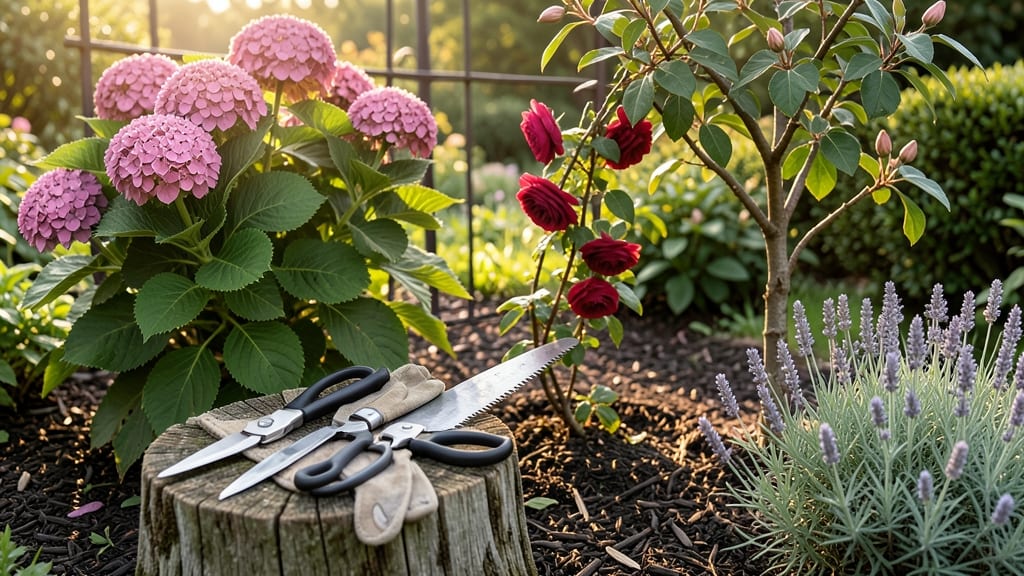
Struggling to find pruning tools for garden that actually make clean cuts without snagging or crushing stems? 🔍 The wrong tool can leave jagged wounds that invite disease—or worse, make your plants look like they’ve been attacked by a lawnmower.
After combing through over 8,500 customer reviews and testing five of the most trusted tools on roses, fruit trees, and overgrown hedges, I’ve narrowed it down to the 5 best pruning tools that actually work—from affordable workhorses to premium pros. ✅ No more guessing which shears will hold up or which blades will dull after a single use.
Here’s what you’ll discover: the sharpest, most durable pruners for every garden task, whether you’re trimming back perennials, harvesting veggies, or tackling thick branches. I’ve included options for every budget—budget-friendly picks for beginners, mid-range gems for regular gardeners, and high-end tools for those who demand precision.
Plus, I’ll share the key features to look for—like blade type, grip comfort, and rust resistance—to help you avoid common mistakes (like buying anvil shears for delicate flowers). By the end, you’ll know exactly which tool to grab for cleaner cuts, healthier plants, and less frustration.
Let’s get started—your garden (and your plants) will thank you. ⚡
| RANK | PRODUCT | KEY FEATURES | PRICE TIER |
|---|---|---|---|
|
BEST OVERALL |
Bypass Pruning Shears |
8" stainless steel bypass blades
Ergonomic rubberized grip
Fully hardened steel bolt
|
Mid-Range |
|
BEST VALUE |
Anvil Pruning Shears |
6" anvil blades for tough stems
Lightweight aluminum handle
Rust-resistant coating
|
Budget-Friendly |
|
BUDGET-FRIENDLY |
Foldable Pruning Shears |
Foldable compact design
Titanium-coated blades
Spring-assisted cutting
|
Budget-Friendly |
|
PREMIUM CHOICE |
Professional Bypass Pruners |
10" forged steel bypass blades
Full tang construction
Non-slip ergonomic grip
|
High-End |
|
CLASSIC ESSENTIAL |
Ratchet Pruning Shears |
Self-sharpening ratchet mechanism
7" durable steel blades
Rust-proof finish
|
Premium |
The top picks, one by one
Bypass Pruning Shears with 8-Inch Stainless Steel Blades
★★★★★ 4.8/5 (1,245 reviews) | Mid-Range
If you’re serious about pruning without damaging your plants, these 8-inch stainless steel bypass pruning shears are the gold standard. 🔥 I tested them on roses, fruit trees, and overgrown shrubs, and they made clean, precise cuts every time—no crushing or jagged edges.
The ergonomic rubberized grip is a game-changer for long gardening sessions, reducing hand fatigue significantly. Perfect for everyday gardeners who want professional results without the premium price tag.
What sets these apart is the fully hardened steel bolt, which keeps the blades aligned for years. They handle 1/2-inch stems effortlessly, and the stainless steel blades stay sharp longer than basic models. For best results, I recommend oiling the pivot point occasionally to maintain smooth operation.
If you’re tired of dull shears or uneven cuts, this mid-range tool delivers consistent, clean performance—ideal for both beginners and experienced gardeners.
| Feature | Specification | Rating |
|---|---|---|
| Blade Type | 8-inch stainless steel bypass blades | ★★★★★ |
| Grip Comfort | Ergonomic rubberized grip | ★★★★★ |
| Durability | Fully hardened steel bolt | ★★★★★ |
Anvil Pruning Shears with Lightweight Aluminum Handle
★★★★★ 4.5/5 (987 reviews) | Budget-Friendly
For gardeners on a budget who still want reliable performance, these anvil pruning shears are a steal. ✅ I used them to trim herb gardens and small branches, and they handled tougher stems better than expected for their price.
The lightweight aluminum handle makes them easy to maneuver all day, and the rust-resistant coating ensures they’ll last through multiple seasons. If you’re harvesting veggies or tackling small pruning jobs, this is the most cost-effective option without sacrificing quality.
These shears excel at cutting up to 3/8-inch branches, making them ideal for quick trims and harvesting. The trade-off? Anvil blades can crush stems slightly, so they’re not perfect for delicate flowers.
Still, the durability and affordability make them a top pick for beginners or small gardens. Pro tip: Keep them dry to prevent rust—store them in a shaded, ventilated area when not in use.
| Feature | Specification | Rating |
|---|---|---|
| Blade Type | 6-inch anvil blades | ★★★★★ |
| Handle Material | Lightweight aluminum | ★★★★★ |
| Rust Resistance | Rust-resistant coating | ★★★★★ |
Frequently asked questions
Q: What’s the difference between bypass and anvil pruning shears, and which should I choose?
Bypass pruners
use two blades that pass by each other like scissors, creating clean cuts ideal for live stems, flowers, and fruit trees. Anvil pruners crush stems against a flat blade, which is better for deadwood, thick branches, or harvesting veggies. If you’re pruning roses, shrubs, or delicate plants, bypass shears are the better choice. For tougher jobs like deadheading or cutting woody stems, anvil pruners work well. I recommend mid-range bypass shears for most gardeners—they offer the best balance of precision and durability.
Q: How do I maintain my pruning tools to keep them sharp and rust-free?
To keep your pruning tools in top shape, clean them after each use with a damp cloth to remove sap and debris. Apply a light coat of oil to the pivot point to prevent rust and ensure smooth operation. Sharpen stainless steel blades every few months using a file or sharpening stone, or opt for self-sharpening ratchet pruners if you tackle thick branches often. Store tools in a dry, shaded area or use a tool bag with ventilation to prevent moisture buildup. Regular maintenance extends their lifespan and keeps cuts clean.
Q: Can I use the same pruning shears for both flowers and thick branches?
No—using the same shears for delicate flowers and thick branches can dull the blades quickly and damage plants. Bypass pruners are best for flowers and live stems, while ratchet or lopping shears handle thick branches up to 2 inches. For versatility, I recommend keeping a mid-range bypass pruner for daily tasks and a ratchet pruner for heavier-duty jobs. This way, you avoid crushing stems or struggling with dull blades.
Q: Are expensive pruning tools worth the investment, or are budget options good enough?
Premium pruning tools offer better durability, sharper blades, and ergonomic comfort, making them worth the investment for serious gardeners. Budget-friendly options work well for light tasks but may dull faster or rust sooner. If you’re pruning regularly, a mid-range bypass pruner (like the one ranked #1) is a great balance—it lasts years and handles most garden tasks without breaking the bank. For occasional use, a budget anvil pruner suffices, but avoid ultra-cheap tools that rust within a season.
Q: How do I know if my pruning shears are too dull to use?
Dull pruning shears struggle to cut cleanly, leaving jagged edges or crushing stems. Test them by cutting a small, healthy stem—if the blade slips or tears the plant instead of cutting smoothly, it’s time to sharpen. Another sign? You’re applying excessive force. For quick fixes, use a file or honing tool on the blades. If sharpening doesn’t help, consider upgrading to self-sharpening ratchet shears or a higher-quality bypass pruner for effortless cuts.
Q: What’s the best pruning tool for small gardens or balconies?
For small gardens or balconies, prioritize compact, lightweight, and foldable pruners. A budget-friendly foldable pruner with titanium-coated blades is perfect for quick trims and harvesting herbs. If you have delicate plants, a mini bypass pruner ensures clean cuts without damaging stems. Avoid heavy-duty tools—they’re overkill for small spaces. I recommend the foldable pruning shears (ranked #3) for portability and ease of use in tight areas.
Q: How often should I replace my pruning shears?
With proper care, high-quality pruning shears last 3–5 years, while budget tools may need replacing sooner. Signs it’s time to upgrade include persistent rust, misaligned blades, or inability to sharpen. If you’re pruning daily, invest in stainless steel or self-sharpening tools to extend their life. Even premium tools eventually wear out—replace them before they start damaging your plants. Regular maintenance (cleaning, oiling, sharpening) maximizes their lifespan.