
Pruning
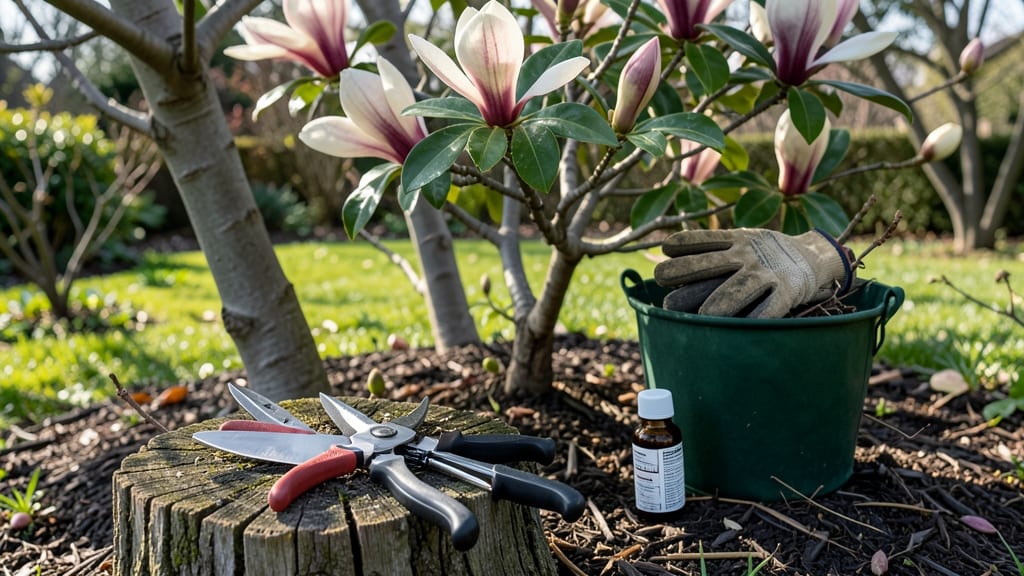
Pruning sweet bay magnolia keeps it fragrant and healthy—but timing and technique make all the difference. ✂️ I’ve learned the hard way that aggressive cuts in the wrong season can stunt growth or even harm the tree’s delicate blooms.
The key is working with its natural rhythms, not against them. Sweet bay magnolias bloom on old wood, so pruning too early risks removing next year’s flowers. Instead, focus on shaping in late winter or early spring, just as new growth begins.
You’ll encourage airflow, reduce disease risk, and keep that signature citrusy fragrance strong all season. A few strategic cuts now mean fewer pests, more vibrant foliage, and a tree that stays compact enough for small spaces.
I’ve seen mine go from leggy and sparse to lush and full—just by following these simple steps. Works for both young trees and mature specimens. Let’s get started with the right tools and timing!
📚 In This Guide
- What you need
- Instructions
- Tips and common mistakes
- Wrapping up and next steps
What you need
- ● Pruning shears: Bypass pruners (for small branches, 4–6 inches in diameter). Look for sharp, stainless-steel blades for clean cuts.
- ● Loppers: Bypass or anvil type (for branches ¾–2 inches thick). Opt for long-handled loppers (24+ inches) for reach.
- ● Pruning saw: Curved-tooth handsaw (for branches 2+ inches thick). A folding pruning saw with a 10–12-inch blade works best.
- ● Gloves: Heavy-duty gardening gloves (cut-resistant, like those made from Kevlar or canvas). Protect your hands from thorns and rough bark!
- ● Disinfectant: 70% isopropyl alcohol or a gardening disinfectant spray (to sterilize tools between cuts and prevent disease spread).
- ● Rubbing alcohol or bleach solution: 1 part bleach to 9 parts water (for cleaning tools post-pruning).
- ○ Pruning sealant: Optional but helpful (like Tanglefoot Tree Wound Pruning Seal) for sealing large cuts over ½ inch in diameter.
- ● Safety glasses: Protect your eyes from debris (especially when using a saw).
- ● Long sleeves/pants: Wear lightweight, long-sleeved clothing to avoid scratches from thorns or sap.
- ● Ladder or step stool: Sturdy, extendable ladder (if your magnolia is over 6 feet tall). Ensure it’s rated for your weight + tools!
- ● Trash bags: Heavy-duty contractor bags (for collecting pruned branches and debris). Aim for 2–3 large bags.
- ● Work surface: Drop cloth or tarp (to protect your lawn or driveway from sap and debris).
- ● Hand pruners with a ratchet mechanism: Reduces hand fatigue for long pruning sessions.
- ● Pole pruner: Extendable tool (10–15 feet) for high branches without a ladder.
- ● Sharpener: Pruning shear sharpener or a file (to maintain blade sharpness between uses).
- ● Notebook & pen: For jotting down notes on pruning cuts, growth patterns, or future plans.
- ● Hose or spray bottle: To rinse tools and clean sap off hands post-pruning.
Step-by-step guide for pruning sweet bay magnolia
Here’s how I keep my sweet bay magnolia thriving with minimal stress and maximum fragrance.
✂️ Step 1: Time Your Pruning for Best Results
Sweet bay magnolias respond best to pruning right after flowering, typically in late spring or early summer. This timing lets the plant recover before winter while preserving next year’s blooms. Avoid pruning in fall—new growth won’t harden off before cold snaps, and winter damage weakens the tree for years.
If you missed the spring window, a light shaping in early spring (before buds swell) is better than nothing. Never prune in late summer or fall—you’ll risk encouraging tender growth that won’t survive frost. Watch for new leaf flush after flowering; that’s your cue to start.
✂️ Step 2: Use the Right Tools and Technique
Sharp, clean bypass pruners or a pruning saw for thicker branches are non-negotiable. Dull tools crush stems, inviting disease. Sterilize blades with 70% rubbing alcohol between cuts to prevent bacterial spread—sweet bay magnolias are sensitive to infections once their bark is broken.
Make cuts just outside the bud or branch collar (the swollen area where the branch meets the trunk). Never leave stubs—these rot and attract pests. For larger branches, cut in three stages: First, make an undercut on the underside, then a top cut outside the branch collar, and finally remove the remaining stub. This prevents bark from tearing.
☀️ Step 3: Shape for Airflow and Light Penetration
Open the canopy by removing crossing, rubbing, or dead branches first. These compete for resources and trap moisture, leading to fungal issues. Next, thin out 10-20% of the interior growth to let light reach the center—sweet bay magnolias grow dense, and shade in the middle invites mildew.
Step back often to visualize the tree’s natural shape. Avoid heavy topping (cutting the main stem)—this triggers excessive water sprouts and weakens the tree’s structure. Instead, prune selective branches to maintain a balanced silhouette. You’ll see new growth fill in gaps within 4-6 weeks if pruned correctly.
⏰ Step 4: Monitor and Maintain Through the Seasons
After pruning, water deeply to help the tree recover. Sweet bay magnolias have shallow roots, so 1 inch of water weekly (or more in drought) keeps them resilient. In late winter, inspect for dead or diseased branches—remove them immediately with sterilized tools to prevent spread.
Fertilize lightly in early spring with a balanced 10-10-10 formula if the tree looks stressed. Over-fertilizing encourages soft growth prone to frost damage. Mulch with 2-3 inches of organic mulch (like shredded bark) to retain moisture and regulate soil temperature. Avoid piling mulch against the trunk—this suffocates roots.
🌿 Step 5: Address Common Issues Proactively
Yellowing leaves often signal overwatering or poor drainage. Sweet bay magnolias prefer well-draining soil—amend heavy clay with compost if needed. Brown leaf edges? That’s usually underwatering or salt buildup from tap water. Switch to rainwater or distilled water if your area has hard water.
If you notice black spots or powdery mildew, prune affected leaves immediately and improve airflow. A copper fungicide spray (applied in early spring) can prevent outbreaks. Avoid chemical sprays during bloom—they harm pollinators and reduce fragrance. Instead, focus on cultural care: prune for airflow, water at the base, and avoid overhead irrigation.
Tips & tricks for pruning sweet bay magnolia
These simple yet game-changing tips will help you prune your sweet bay magnolia like a pro—keeping it fragrant and healthy for years.
Timing is Everything: If you missed the ideal late spring/early summer window, don't panic. A light shaping in early spring (before buds swell) is still better than nothing. The key is to avoid late summer or fall pruning entirely—this encourages tender growth that won't survive winter. I've seen too many trees weakened by frost damage from fall pruning, so mark your calendar now for next year!
Tool Prep Prevents Problems: Sterilizing your tools between cuts with 70% rubbing alcohol is non-negotiable for sweet bay magnolias. I learned this the hard way after seeing fungal infections spread through my first tree. For larger branches, the three-stage cutting method (undercut, top cut, remove stub) makes all the difference in preventing bark tearing. It takes an extra 30 seconds per cut, but your tree will thank you with cleaner wounds that heal faster.
Visualize Before You Prune: Step back frequently to visualize your tree's natural shape. The goal is to maintain balance while opening the canopy for better airflow. I like to imagine the tree as a vase—what shape would let light reach the center without looking unnatural? Remember, you're thinning, not topping. Those 10-20% interior branches you remove will make all the difference in preventing mildew while preserving that signature fragrance.
Seasonal Care Calendar: Create a simple seasonal checklist: late spring/early summer for main pruning, early spring for light shaping, late winter for dead branch removal, and early spring for fertilizer application. After pruning, that deep watering (1 inch weekly) helps the tree recover faster. I've found that trees with consistent seasonal care develop stronger resistance to pests and diseases over time.
Pro Tips for Pruning Sweet Bay Magnolia
- These simple yet game-changing tips will help you prune your sweet bay magnolia like a pro—keeping it fragrant and healthy for years.
- Timing is Everything: If you missed the ideal late spring/early summer window, don't panic.
- Tool Prep Prevents Problems: Sterilizing your tools between cuts with 70% rubbing alcohol is non-negotiable for sweet bay magnolias.
Frequently asked questions
When is the best time to prune sweet bay magnolia?
The ideal window is late winter or early spring (just before new growth starts), but you can also prune lightly after flowering. Avoid heavy pruning in fall—it stimulates tender new growth that may not survive winter. For minor shaping, summer pruning is fine, but never prune during frost or extreme heat.
How much can I prune without harming the tree?
Sweet bay magnolias tolerate light to moderate pruning, but avoid removing more than 25-30% of the canopy in one session. Over-pruning stresses the tree and reduces next year’s blooms. For mature trees, focus on thinning out crowded branches rather than cutting back heavily. If you’re unsure, start small and observe the tree’s recovery over a few weeks.
Why is my sweet bay magnolia bleeding sap after pruning?
Sap bleeding is normal and harmless—it’s the tree’s way of sealing wounds. To minimize mess, prune on a dry day and use sharp tools to make clean cuts. If the bleeding is excessive (pint-sized drips) or accompanied by wilting, check for pests or disease. Apply a wound sealant only if the cut is large (over 2 inches in diameter).
Will pruning reduce next year’s fragrant flowers?
Pruning can reduce blooms if done too aggressively, especially if you cut back flowering stems. To preserve fragrance, prune after the flowers fade (late spring/early summer) and avoid removing more than a few older branches. Focus on shaping and air circulation—healthy growth = more blooms!
Can I prune sweet bay magnolia in containers?
Yes! Container-grown magnolias need regular pruning to control size and shape. Prune lightly in spring and summer, and repot every 2–3 years to refresh root space. Avoid root-bound conditions, which stress the tree and reduce flowering. Use well-draining soil and a pot with drainage holes to keep roots healthy.
Wrapping up and next steps
Pruning your Sweet Bay Magnolia doesn’t have to be intimidating—it’s all about timing, patience, and a little know-how! 🌿 By following seasonal best practices, you’ll encourage lush foliage, vibrant blooms, and that signature fragrant charm.
Whether you’re trimming for shape, health, or growth, your magnolia will thank you with years of beauty.
Ready to give your tree the care it deserves? Grab your pruners, dust off that ladder, and get started today! Your fragrant, thriving magnolia is just a cut away. 🌸✂️