
Pruning
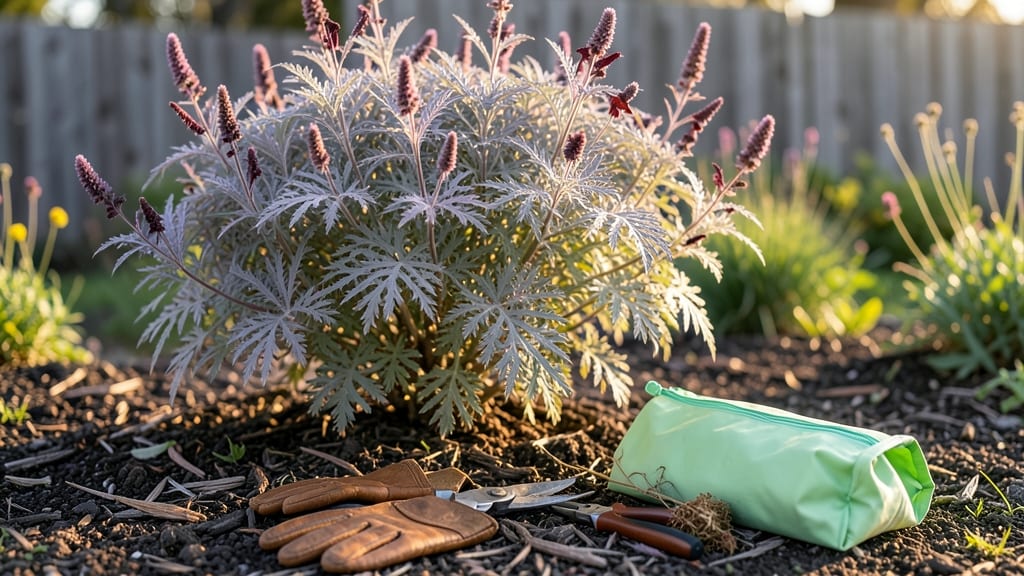
Summer pruning your smoke bush transforms it from sparse to showstopping. ✂️ I've learned the hard way that timing and technique make all the difference—cut too late or too aggressively, and you sacrifice next year's dramatic foliage.
The key is working right after flowering when new growth has started but before the heat of late August.
You only need three things: sharp bypass pruners, a bucket of water, and a clear day when temperatures stay below 85°F. Focus on removing dead wood first, then thin out crowded branches by one-third to improve airflow and sunlight penetration.
The goal is to encourage bushier growth, not to turn it into a topiary—smoke bushes thrive on natural shape.
After pruning, you'll notice fresh green shoots emerging within 2-3 weeks, and by fall, your bush will look fuller than ever. The foliage takes on that signature smoky haze, and next summer's flower plumes will be even more dramatic.
Just avoid heavy pruning in drought conditions—stressed plants don't recover as well.
Works for both Cotinus coggygria and Cotinus obovatus, and adapts to any climate zone where smoke bushes grow. The same principles apply whether you're shaping a small patio bush or a large landscape specimen. Here's exactly how to do it right.
📚 In This Guide
- What you need
- Instructions
- Tips and common mistakes
- Wrapping up and next steps
What you need
Gearing up for summer pruning? Here’s everything you’ll need to tackle your Smoke Bush (Cotinus) like a pro! Whether you’re shaping for aesthetics or encouraging lush growth, these tools and materials will make the job smooth and efficient.
🔧 Essential Tools
- Pruning shears – Bypass pruners (for clean cuts on small branches, 4- to 6-inch blades).
- Loppers – Bypass or anvil type (for thicker branches, 8- to 12-inch handles).
- Pruning saw – Curved or straight blade (for branches over 1 inch in diameter).
- Gloves – Heavy-duty, cut-resistant (to protect hands from thorns and sharp edges).
- Disinfectant – 70% isopropyl alcohol or bleach solution (1 part bleach to 9 parts water) to sterilize tools between cuts.
🌿 Optional but Helpful Extras
- Rubbing alcohol wipes – For quick tool sanitization.
- Pole pruner – If your bush is tall (reaches up to 10-15 feet).
- Pruning sealant – Optional for large cuts (to prevent disease entry).
- Bucket or tarp – To collect clippings and debris.
- Safety glasses – If working near your face or in windy conditions.
⏳ Prerequisites
- Check the weather: Prune on a clear, calm day (avoid rain or high humidity).
- Wear long sleeves and pants to protect from sun and scratches.
- Have a clear plan—decide which branches to remove for shape or growth goals.
How to prune smoke bush for full, healthy growth this summer
Summer pruning is your chance to shape smoke bush into a lush, vibrant centerpiece. Here's the method I trust to encourage bushier growth without stressing the plant.
✂️ Step 1: Time Your Pruning for Maximum Recovery
Wait until late summer—after July 15th in most climates—when your smoke bush has finished flowering for the year. You want to avoid cutting back new growth that might not harden off before frost. Look for fully mature leaves that feel firm to the touch; these signal the plant has stored enough energy for recovery.
Morning is the best time to prune. The cooler temperatures reduce stress on the plant, and you'll avoid the midday heat that can dry out fresh cuts too quickly. I always prune on a cloudy day if possible—direct sun while cutting can scorch the leaves and invite pests.
✂️ Step 2: Remove Dead, Diseased, or Weak Growth First
Start by cutting out any dead, brown branches—they'll be dry and brittle to the touch. Next, look for branches with mushy centers or blackened spots (signs of disease). Use clean, sharp pruners to make 45-degree cuts just above a leaf node or outward-facing bud. This ensures the plant can seal the wound quickly and directs new growth outward.
I never skip this step, even if it means removing only a few branches. Diseased wood spreads fast, and removing it now prevents next year's problems. If you see branches crossing or rubbing against each other, trim one of them—this prevents future damage and improves airflow.
✂️ Step 3: Thin Out Overcrowded Branches for Better Airflow
Smoke bush thrives when it gets plenty of airflow, so your goal is to create an open, airy shape. Look for branches growing straight up or inward—they block sunlight and trap moisture. Cut these back to a healthy outward-facing bud or remove them entirely if they're small. Aim to keep the center of the bush 30-40% open to sunlight.
Here's the thing—don't overthink the shape. Smoke bush is naturally bushy, so you're not sculpting a topiary. Instead, focus on removing 1/3 of the oldest branches to encourage younger, more vigorous growth. You'll see new shoots emerging from the base within 4-6 weeks.
✂️ Step 4: Shape for Balance and Fullness
Now it's time to refine the overall shape. Step back and look at your smoke bush from all sides—you want it to look full and balanced. Cut back the longest branches to just above a leaf node or bud to encourage branching. For a rounded shape, trim the tips of branches that stick out too far, but never cut into old wood—you want to stimulate new growth.
If your bush is leggy, focus on the top half. Cutting back the upper branches forces energy downward, resulting in a fuller, more compact plant. I like to leave a few branches slightly longer for height, but never let any branch dominate the shape. The goal is harmony, not perfection.
⏰ Step 5: Clean Up and Protect Your Plant
After pruning, clean your tools with rubbing alcohol to prevent spreading disease. Remove all clippings from the area—never leave them on the ground, as they can harbor pests and diseases. If you notice any sap oozing from cuts, it's normal and will dry within a few days. To speed healing, I apply a thin layer of pruning sealant to larger cuts over ½ inch in diameter.
Water deeply after pruning to help the plant recover. The roots need moisture to support new growth, but don't overdo it—soil should be damp but not soggy. Avoid fertilizing right after pruning; give the plant 4-6 weeks to adjust before adding nutrients. You'll know you've done well when you see fresh, vibrant leaves emerging within a month.
Tips & tricks for pruning smoke bush in summer
These simple strategies will help you prune with confidence—and keep your smoke bush thriving for years.
Timing is Everything: The July 15th cutoff isn't arbitrary—it ensures your smoke bush has finished flowering and stored enough energy for recovery. I've seen plants stressed by early pruning develop weak new growth that struggles through winter. If you live in a warmer climate, wait until after your first frost date for extra safety.
Tool Prep Matters: Sterilize your pruners with rubbing alcohol between cuts (yes, even when removing dead branches) to prevent spreading disease. I also keep a small spray bottle of water nearby to dampen cuts—this helps prevent sap from oozing and reduces stress on the plant. Sharp tools make cleaner cuts that heal faster, so take 5 minutes to sharpen blades before you start.
Visual Cues for Healthy Cuts: When making those 45-degree cuts, look for the slight bump where a leaf or bud emerges—this is your target. The cut should be just above this node, leaving a small bump. If you cut too close, the bud won't grow; too far, and you create a larger wound. Think of it like shaving: you want to leave a tiny stub, not nick the skin.
Post-Pruning Care: That 4-6 week wait before fertilizing is crucial. Your smoke bush is directing all its energy toward healing and producing new growth, not feeding existing leaves. I've seen gardeners eager to fertilize too soon end up with lush foliage but weak stems that can't support the plant's weight. Water deeply but lightly—think of it as giving your plant a long, cool shower rather than a drenching.
Pro Tips for Pruning Smoke Bush In Summer
- These simple strategies will help you prune with confidence—and keep your smoke bush thriving for years.
- Timing is Everything: The July 15th cutoff isn't arbitrary—it ensures your smoke bush has finished flowering and stor...
- Tool Prep Matters: Sterilize your pruners with rubbing alcohol between cuts (yes, even when removing dead branches) t...
Frequently asked questions
Got questions about pruning your smoke bush (Cotinus) in summer? You’re not alone! Here are answers to the most common concerns—from timing to troubleshooting—to keep your plant thriving.
Is it safe to prune smoke bush in summer?
Yes, but with caution! Light pruning (removing dead or overgrown branches) in early summer (June) is ideal. Avoid heavy pruning in peak heat (July-August), as it stresses the plant. Focus on shaping or rejuvenation cuts in late summer (September) instead for best results.
How much can I trim back my smoke bush in summer?
For established smoke bushes, prune no more than 1/3 of the plant’s growth at a time. Remove dead, crossing, or weak branches first. If rejuvenating, cut back old stems to 6–12 inches above the ground—just don’t overdo it, or you’ll risk stunted growth.
What if my smoke bush looks leggy after summer pruning?
Leggy growth is common after pruning, but don’t worry! Smoke bushes are resilient. Fertilize lightly with a balanced 10-10-10 in early fall and ensure it gets full sun. New growth will fill in by next spring. For faster results, prune again in late winter.
Can I prune smoke bush in summer if it’s in a hot, dry climate?
In arid regions, prune early morning or late evening to avoid heat stress. Water deeply before and after pruning, and mulch the base to retain moisture. Avoid heavy cuts—stick to light shaping to prevent drought-related shock.
Are there alternatives to summer pruning for bushier growth?
If you’re hesitant about summer cuts, try pinching back new growth tips in spring or thinning out dense areas in winter. For dramatic changes, prune in late winter (dormant season)—this encourages vigorous regrowth without summer stress.
Wrapping up and next steps
Pruning your smoke bush in summer is all about timing, technique, and patience—and you’ve got this! 🌿 By following the right steps, you’ll encourage lush, vibrant growth while keeping your plant healthy and thriving.
The key takeaway? Light trimming in late summer (after flowering) promotes bushier foliage, while avoiding over-pruning prevents stress.
Ready to see your smoke bush flourish? Grab your tools, step outside, and give it the care it deserves. Next up: Monitor your plant’s response and adjust your pruning routine as needed—happy gardening! 🌟