
Pruning
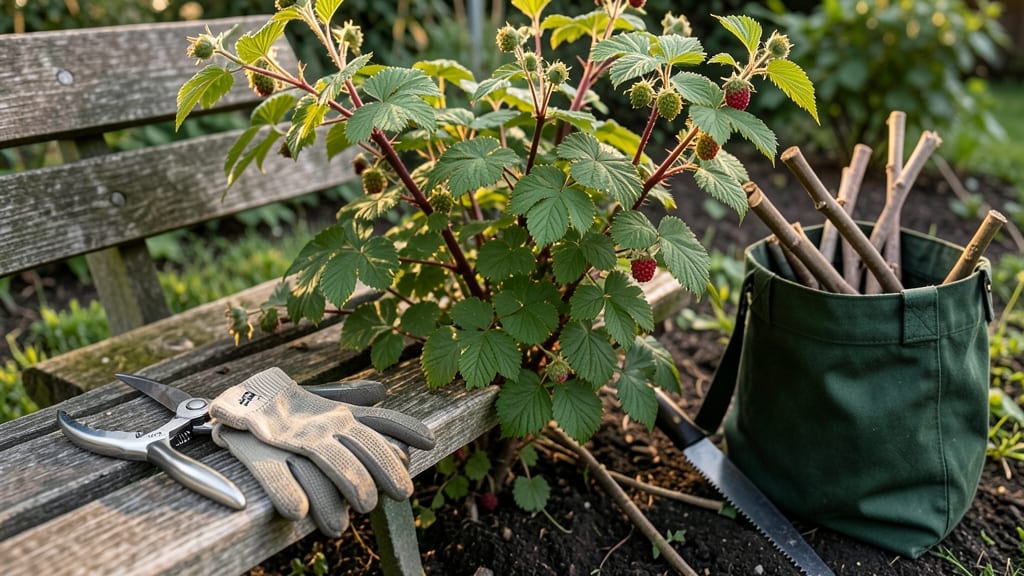
Spring pruning raspberry bushes transforms next year’s harvest from scrappy to explosive—I’ve gone from struggling with tangled canes to pound after pound of berries by doing this right. The key is timing: prune too early and you risk frost damage; too late and you stunt new growth.
I’ll show you the exact window and how to cut like a pro, so your bushes reward you with thick, productive canes by summer.
You’ll need just three tools: sharp loppers, rubber gloves (those thorns don’t joke around), and a bucket for the clippings. The real work? Removing dead, weak, or crossing canes—think of it like decluttering a closet.
Airflow is everything here; crowded canes breed disease and steal energy from fruit production. After pruning, a quick mulch layer keeps roots cool and conserves moisture.
By mid-summer, you’ll see new red shoots popping up where you made cuts—those are your future harvest canes. The payoff? Fewer pests, easier picking, and berries that grow bigger and sweeter than ever before.
This isn’t just maintenance; it’s harvest insurance. Let’s get those bushes ready for their best season yet.
Works for both summer-bearing and fall-bearing varieties, though the timing tweaks slightly. Whether you’re a first-year grower or a veteran with tangled thickets, this method clears the confusion. Grab your loppers—spring won’t wait.
📚 In This Guide
- What you need
- Instructions
- Tips and common mistakes
- Wrapping up and next steps
What you need
- ● Pruning shears or loppers: Sharp, bypass-style shears (for small canes) or loppers (for thicker stems, 1.5"–2" cutting capacity). Quantity: 1 pair (or 1 set of each if you have large bushes).
- ○ Pruning saw: A curved-tooth saw for thick, woody canes (3"–4" cutting capacity). Optional but handy for stubborn branches.
- ● Gloves: Heavy-duty, cut-resistant gloves (gardening or pruning-specific) to protect your hands from thorns and splinters.
- ● Disinfectant (70% isopropyl alcohol or bleach solution): To clean tools between cuts and prevent disease spread. Mix: 1 part bleach to 9 parts water.
- ○ Garden twine or zip ties: For temporarily tying down canes if needed (optional but useful for training new growth).
- ● Trash bags or bucket: For collecting pruned canes and debris. Size: At least 3–5 gallons to avoid overflow.
- ● Rake or leaf blower: To clear away pruned debris from the base of the bushes for better airflow.
- ● Weather window: Choose a dry, cool day (50°F–65°F) to minimize stress on the plant and reduce disease risk.
- ● Identify your raspberry type: Know whether you’re pruning floricanes (summer-bearing) or primocanes (fall-bearing) for targeted pruning.
- ● Clear the area: Remove weeds, old mulch, or debris within a 3-foot radius of the bushes for easier access.
- ● Water nearby: Have a hose or watering can handy to hydrate the plants post-pruning if the soil is dry.
How to prune raspberry bushes in spring for maximum yield
Spring pruning sets the stage for a bountiful harvest—here’s how to do it right, even if you’re new to berry care.
Identify and Remove Dead or Diseased Canes
Start by examining each cane at the base, looking for signs of winter damage, mold, or blackened tissue. Diseased or dead canes will be hollow, brittle, or covered in discolored patches. These canes won’t produce fruit and may harbor pests or pathogens that could spread to healthy growth. Use sharp, clean pruning shears to cut these canes at ground level, making a clean slice just above the soil line.
I always prune on a dry day to reduce the risk of splashing soil-borne diseases onto fresh cuts. If you’re unsure whether a cane is dead, gently scratch the bark with your fingernail—if it’s dark or mushy underneath, it’s time to remove it. This step is non-negotiable; leaving dead canes weakens the entire plant.
Differentiate Primocanes from Floricanes
Raspberries produce two types of canes: primocanes (current season’s growth, typically green and flexible) and floricanes (last year’s canes, often brown and woody). Summer-bearing varieties produce fruit on floricanes, so these are the canes you want to keep. Primocanes will fruit next year, so leave them intact for now.
If you’re still learning, look for the telltale buds—floricanes have larger, more developed buds along their length, while primocanes have smaller, tightly clustered buds near the top. Mark a few canes with flags if you’re unsure, then revisit them after a few weeks to confirm their growth pattern.
Thin Out Overcrowded Canes for Airflow
Ideal spacing for raspberry canes is 8–12 inches apart within the row. If canes are growing too close, they compete for sunlight, water, and nutrients, leading to smaller berries and increased disease risk. Select the strongest, healthiest canes—those with thick stems and abundant buds—and remove the rest at the base.
I aim to leave 6–8 canes per plant for optimal airflow. This might seem drastic, but thinning now prevents future struggles with tangled canes and fungal issues. If you’re hesitant to remove so many, start with just the weakest canes and reassess in a few weeks.
Prune for Shape and Future Growth
Step back and assess the overall shape of the plant. Raspberry bushes naturally grow in a V-shape, with canes arching outward. If canes are crossing or rubbing against each other, they’ll create wounds that invite disease. Gently separate crossed canes and prune one of them back to the base to open up the center.
For canes that are still alive but damaged, cut them back to a healthy bud—this encourages new growth from that point. Avoid leaving stubs; a clean cut just above a bud ensures the plant directs energy where you want it. This is also the time to remove any suckers (shoots growing from the base) unless you’re intentionally propagating new plants.
Clean Up and Apply Mulch
After pruning, rake up and dispose of all clippings—do not compost diseased material. This prevents pathogens from overwintering and reinfecting your plants. Next, apply a 2–3 inch layer of organic mulch (like straw or wood chips) around the base, keeping it 6 inches away from the crown to avoid rot.
Mulch helps retain moisture, suppresses weeds, and regulates soil temperature. It also gives you a clean workspace for monitoring new growth. Water the base deeply after mulching to encourage root development. By late spring, you should see new primocanes emerging—these are your future fruit producers.
Tips & tricks for pruning raspberry bushes in spring
Spring pruning is where the magic happens for raspberry bushes—here's how to avoid common pitfalls and set your plants up for a spectacular harvest.
Timing is Everything: Prune when your raspberries are still dormant but new growth has just begun—typically in early spring when you see the first signs of green shoots emerging. This timing ensures you're not disturbing next year's fruit-producing canes while still removing winter-damaged growth. If you prune too early, you might accidentally cut off emerging primocanes; if you wait too long, you risk disturbing the plant's energy reserves.
Tool Preparation Matters: Your pruning shears are just as important as your technique. Clean them thoroughly with rubbing alcohol before and after use to prevent spreading diseases between plants. I also recommend using a pair of bypass pruners—they make cleaner cuts than anvil pruners, which can crush stems and create entry points for pathogens. Sharpen your tools regularly to ensure clean cuts that heal properly.
Visual Cues for Healthy Canes: When differentiating between primocanes and floricanes, look beyond just color—examine the bark texture and bud placement. Healthy floricanes will have smooth bark with visible lenticels (tiny raised dots), while primocanes often have slightly rougher bark. Run your fingers along the cane: floricanes feel more mature, like a well-worn walking stick, while primocanes are still supple. This tactile check helps confirm your visual assessment.
Post-Pruning Care Strategy: After you've finished pruning, don't just walk away. Take a moment to inspect the plant's overall structure from all angles. This is your chance to spot any remaining crossed canes or potential weak spots. I've found that taking a photo before and after pruning helps me track progress and identify any areas that need extra attention during the growing season.
Pro Tips for Pruning Raspberry Bushes In The Spring
- Spring pruning is where the magic happens for raspberry bushes—here's how to avoid common pitfalls and set your plants up for a spectacular harvest.
- Timing is Everything: Prune when your raspberries are still dormant but new growth has just begun—typically in early spring when you see the first signs of green shoots emerging.
- Tool Preparation Matters: Your pruning shears are just as important as your technique.
Frequently asked questions
Got questions about pruning raspberry bushes in spring? You’re not alone! Here are answers to the most common concerns—so you can prune like a pro and set your bushes up for a juicy harvest next season.
When is the exact best time to prune raspberry bushes in spring?
Prune dormant raspberry bushes in late winter to early spring (just as buds swell but before new growth starts). For summer-bearing varieties, aim for February–March in most climates. Fall-bearing types may need a second prune in late summer after harvest. Pro tip: Avoid pruning when frost is forecasted!
What if I missed the spring pruning window? Can I still do it?
Yes! If you missed spring, wait until after harvest (for summer-bearing) or late fall (for fall-bearing). Just avoid pruning during active growth—this stresses the plant. Quick fix: Lightly shape canes in summer to remove dead wood, but prioritize a full prune next dormant season.
Do I need to prune raspberry bushes every year?
Pruning is non-negotiable for healthy bushes. It removes old canes (which produce no fruit), improves airflow (reducing disease), and directs energy to new, productive canes. Summer-bearing: Prune every year. Fall-bearing: Prune annually but focus on thinning old canes.
What if my raspberry canes look already dead—should I cut them?
Check for green pith inside the cane (scratch a small section). If it’s brown/dry, the cane is dead—remove it. If green, it’s alive! Troubleshooting: Dead canes often signal cane blight or winter damage. Improve drainage and mulch next year to prevent recurrence.
Can I use hedge trimmers or shears instead of loppers?
For small patches, hand pruners or loppers work best—they give you precision to cut at the base. Hedge trimmers tear canes and leave jagged cuts, inviting disease. Budget hack: Borrow loppers from a neighbor or invest in a $20 pair—they’re worth it for long-term health!
Wrapping up and next steps
Pruning raspberry bushes in spring is your secret weapon for a bountiful harvest and healthier plants!
By removing old canes, improving airflow, and encouraging new growth, you’re setting the stage for next year’s sweet, juicy berries. 🌱 Don’t let overwhelm hold you back—start small, stay consistent, and watch your bushes thrive!
Next step: Grab your pruners, head to the garden, and give those canes a fresh start. Your future raspberry feasts will thank you!