
Pruning
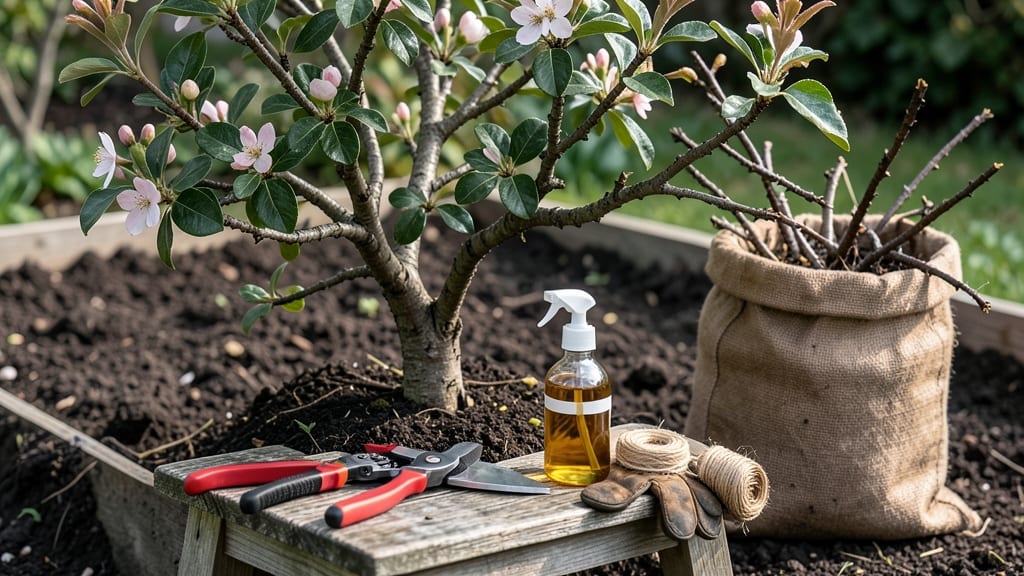
Pruning quince shrubs starts with three sharp cuts in late winter. ✂️ I’ve turned my overgrown, tangled quince into a fragrant spring showpiece using these same techniques—no fancy tools, just the right timing and a steady hand. The key? Pruning when the plant is dormant but before new growth begins, usually between late January and early March in most climates.
You’ll need clean, sharp pruners (dull blades tear bark), rubbing alcohol to sterilize cuts, and a glove—quince thorns are no joke. The goal isn’t just shaping; it’s opening the canopy to sunlight and air, which means fewer diseases and more blooms.
Start by removing dead, crossing, or diseased branches first—they’re the easiest to spot and the most critical to cut out.
After the cleanup, focus on rejuvenation cuts: shorten old stems by one-third to encourage new growth from the base. Quince responds well to this, sending up fresh shoots that’ll produce next year’s fragrant blossoms.
The result? A shrub that looks neater, blooms heavier, and stays healthier for years—plus, those iconic quince blossoms will perfume your garden like nothing else.
Here’s the secret: don’t over-prune. Quince is tough but not indestructible—cutting back too hard can stress the plant. After pruning, give it a deep watering and a layer of mulch to protect roots.
Now’s also the time to plan where those new shoots will go—maybe a trellis for fruit-bearing varieties, or just letting them sprawl for maximum fragrance.
📚 In This Guide
- What you need
- Instructions
- Tips and common mistakes
- Wrapping up and next steps
What you need
- ● Pruning shears: Bypass pruners (sharp, 6–8" blades) for clean cuts on small branches. Invest in a high-quality pair (e.g., Felco or Corona) for precision.
- ● Loppers: Bypass or anvil type (20–24" handles) for thicker branches (½"–1.5" diameter). Look for ratcheting models for easier cutting.
- ● Pruning saw: Curved-tooth saw for branches thicker than 1.5". A foldable saw (like Fiskars) saves space.
- ● Gloves: Heavy-duty gardening gloves (leather or Kevlar) to protect from thorns and sap.
- ● Disinfectant: Rubbing alcohol (70%+) or a pruning sealant (e.g., Tanglefoot) to sterilize tools between cuts and prevent disease.
- ● Clean rags or paper towels: For wiping tools and hands after each cut.
- ● Safety glasses: Protect your eyes from debris.
- ● Knee pads: For comfort if you’re working on the ground.
- ● Marking twine or flags: To tag branches for removal (helpful for complex pruning plans).
- ● Pruning paint: Tree wound dressing (e.g., Dykem) to seal large cuts (controversial but useful for some gardeners).
- ● Wheelbarrow or bucket: For collecting pruned branches and debris.
- ● Best time to prune: Late winter or early spring (just before buds swell) for dormant pruning. Avoid pruning after August 1st to prevent new growth from being damaged by frost.
- ● Weather conditions: Choose a dry, overcast day to minimize stress on the plant. Avoid pruning when the ground is wet or frozen.
- ● Safety first: Wear closed-toe shoes and avoid pruning near power lines or in high winds.
Step-by-step instructions for pruning quince shrubs
Here's the precise technique I use to revive quince shrubs while preserving their signature spring fragrance.
✂️ Step 1: Time Your Pruning for Optimal Growth
Quince shrubs respond best to pruning in late winter to early spring, just as buds begin to swell but before new growth starts. This timing ensures you remove dead wood while stimulating fresh, fragrant blooms. I always prune mine in February or March in my zone 7 climate—adjust for your region by waiting until after your last frost date.
If you missed the window, you can do light maintenance pruning in early summer after flowering, but avoid heavy cuts then. Quince shrubs bloom on old wood, so removing too many branches in summer can reduce next year's fragrance. Watch for swollen buds along the stems—they signal it's time to start pruning.
✂️ Step 2: Remove Dead, Diseased, and Crossing Branches
Start by inspecting the entire shrub for dead branches—these will be brittle, dark, and snap easily when bent. Use sharp, clean pruners to make a clean cut just outside the branch collar (the swollen area where the branch meets the trunk). I always disinfect my tools with rubbing alcohol between cuts to prevent spreading disease.
Next, look for branches that are rubbing against each other or growing inward. These create wounds where pests and diseases can enter. Cut these branches back to their point of origin, making the cut at a 45-degree angle just above an outward-facing bud. This encourages new growth to develop away from the center of the shrub, improving airflow and light penetration.
✂️ Step 3: Thin the Canopy for Better Air Circulation
Quince shrubs can become overcrowded, which reduces flowering and increases disease risk. Step back and visualize the shrub's shape—aim for an open, vase-like form that allows sunlight to reach the center. Select branches that are thin, weak, or growing straight up (called "water sprouts") and remove them entirely at the base.
For thicker branches, cut them back to a strong lateral branch or bud. I like to leave 3-4 main branches as the framework, then thin out about one-third of the remaining growth to open up the center. This creates space for new, fragrant blooms while maintaining the shrub's natural structure. Watch for new growth emerging from the center—this confirms you've improved airflow.
✂️ Step 4: Refine the Shape and Encourage Blooms
Now it's time to shape the shrub. Quince shrubs naturally grow in a rounded form, so I focus on maintaining that silhouette while removing any branches that disrupt it. Cut back any branches that are too long or leggy to a lateral bud or branch, making sure to leave at least 2-3 buds on each remaining stem to encourage new growth.
If your quince hasn't bloomed well in the past, this is the time to stimulate flowering. Look for strong, healthy branches with multiple buds and cut them back by about one-third. This pruning shock encourages the shrub to produce more flowers next spring. You'll know you've pruned correctly when you see tight clusters of buds forming along the branches in early spring.
⏰ Step 5: Clean Up and Apply Post-Pruning Care
After pruning, rake up and dispose of all clippings—never leave them on the ground, as they can harbor pests and diseases. I also apply a layer of mulch around the base of the shrub to retain moisture and suppress weeds. Use 2-3 inches of organic mulch, like shredded bark or wood chips, keeping it 6 inches away from the trunk to prevent rot.
Water the shrub deeply after pruning to help it recover. You'll notice new shoots emerging within 3-4 weeks as the quince responds to the fresh cuts. Avoid fertilizing immediately after pruning—wait until new growth appears before applying a balanced, slow-release fertilizer. This ensures the shrub focuses on healing before putting energy into foliage.
Tips & tricks for pruning quince shrubs
A few strategic cuts can transform your quince shrubs from overgrown to fragrant showstoppers. Here's what I've learned after years of trial and error in my own garden.
Timing is Everything: The late winter to early spring window is critical because quince shrubs bloom on old wood. If you prune too late, you risk removing next year's flower buds. In my zone 7 garden, I set a calendar reminder for mid-February—right when those first swollen buds appear. If you miss the window, summer maintenance pruning is better than nothing, but limit yourself to just removing dead branches and water sprouts only.
Tool Preparation Matters: Never skip disinfecting your pruners between cuts—especially when dealing with quince. I keep rubbing alcohol in a small spray bottle and wipe down blades after every 3-4 cuts. This prevents spreading fungal spores that can infect healthy branches. Also, make sure your pruners are sharp; dull blades crush stems instead of making clean cuts, which increases stress on the plant.
Visualize the Final Shape: Before making any cuts, step back and visualize your quince's ideal form. I imagine a graceful, rounded silhouette that allows sunlight to penetrate to the center. This mental exercise helps me identify which branches to remove—typically the thin, weak ones growing straight up (water sprouts) and any crossing branches that create wounds. The goal is to maintain that natural vase shape while improving airflow.
Post-Pruning Care is Non-Negotiable: After all the cutting, proper cleanup is what makes the difference between a revived shrub and one that struggles. Rake up and dispose of all clippings immediately—they can harbor pests and diseases. Then apply that 2-3 inch layer of organic mulch, keeping it 6 inches away from the trunk. This moisture barrier is crucial, especially in hot summers. I've seen quince shrubs recover beautifully when given this simple post-pruning care, but neglected ones often show signs of stress.
Pro Tips for Pruning Quince Shrubs
- A few strategic cuts can transform your quince shrubs from overgrown to fragrant showstoppers.
- Timing is Everything: The late winter to early spring window is critical because quince shrubs bloom on old wood.
- Tool Preparation Matters: Never skip disinfecting your pruners between cuts—especially when dealing with quince.
Frequently asked questions
Got questions about pruning quince shrubs?
You’re not alone! Here are answers to the most common concerns—so you can confidently shape your shrubs for a stunning spring display.
When is the best time to prune quince shrubs?
Prune quince shrubs in late winter or early spring, just before new growth begins (typically February–March in most climates). Avoid pruning in fall, as it can stimulate tender new growth that may not survive winter. If you must prune at another time, do so immediately after flowering to avoid removing next year’s blooms.
How much can I cut back my quince shrub?
Quince shrubs are hardy and can handle aggressive pruning. For rejuvenation, you can cut back up to ⅓ of the plant’s oldest stems to the ground. For maintenance, remove only dead, diseased, or crossing branches (no more than 10–15% of the foliage at a time). Younger shrubs benefit from lighter cuts to encourage bushier growth.
What should I do if my quince shrub isn’t blooming after pruning?
If your quince shrub skips blooms, it might be due to over-pruning or poor timing. Ensure you’re not cutting back all the old wood—quince flowers on last year’s growth. Also, check for nutrient deficiencies (apply a balanced fertilizer in early spring) or pests/disease. If the issue persists, prune less aggressively next year and monitor for signs of stress.
Can I prune quince shrubs in containers or small spaces?
Yes! Container-grown quince shrubs need regular pruning to control size and shape. Use the same techniques as for in-ground shrubs, but prune more frequently (every 2–3 months) to prevent overgrowth. Avoid heavy cuts—focus on removing inward-growing branches and thinning out congested areas to improve airflow and light penetration.
Do I need special tools to prune quince shrubs?
Basic hand pruners or bypass pruners work for small branches, while loppers or a pruning saw handle thicker stems (over ½ inch). For larger quince shrubs, a pole pruner can help reach high branches. Always sterilize tools with rubbing alcohol between cuts to prevent disease spread. Sharp, clean tools make pruning easier and safer!
Wrapping up and next steps
Pruning your quince shrubs doesn’t have to be intimidating—it’s all about timing, technique, and a little patience. 🌿 By following the right steps, you’ll encourage healthier growth, more abundant blooms, and that signature fragrant canopy you love.
Now that you’re armed with the know-how, grab those shears and give your quince the fresh start it deserves!
Next steps:
- Mark your calendar for late winter or early spring—your quince’s pruning window!
- Take before-and-after photos to track progress and celebrate your green thumb.
- Share your tips with fellow gardeners (or brag about your blooms—we won’t judge!).