
Pruning
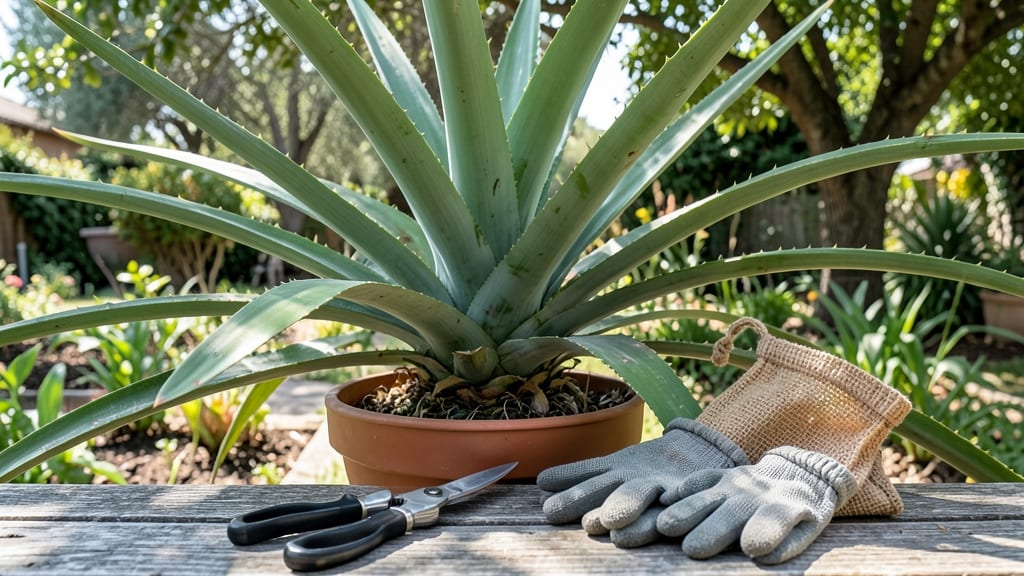
Pruning pineapple plants isn't just about trimming—it's your secret weapon for bigger harvests and healthier growth. 🌱 I learned the hard way that skipping this step means smaller fruit and leggy plants that flop over.
The right cuts at the right time transform a scraggly pineapple into a sturdy, productive powerhouse that keeps bearing for years.
You only need three tools: sharp pruning shears, rubbing alcohol for sterilizing, and a clean bucket for collecting cuttings. Timing matters most—prune after flowering (when the fruit is half-grown) or in early spring to encourage new shoots.
The goal is to remove dead leaves and any growth that's competing with the main plant, but never cut more than a third of the foliage at once.
What you'll end up with is a pineapple plant that looks like it belongs in a tropical greenhouse, not your kitchen counter. The regrowth comes thick and vibrant, and within months, you'll see new pups forming at the base—each one a potential new plant.
Even the cuttings you discard can root and grow into fresh starts.
This method works for both container-grown pineapples and those in warm climates outdoors. The key is consistency—prune once a year, keep the plant well-watered but not soggy, and watch as your harvests grow bigger with each season. Here's how to do it right the first time.
📚 In This Guide
- What you need
- Instructions
- Tips and common mistakes
- Wrapping up and next steps
What you need
- ● Sharp pruning shears or a clean knife – A sterilized pair (blade disinfected with rubbing alcohol) prevents disease spread. Choose a bypass pruner (for clean cuts) or a sharp utility knife (for precision).
- ● Gloves – Heavy-duty gardening gloves protect your hands from thorns and sap. Opt for nitrile-coated gloves for extra grip.
- ● Disinfectant solution – A 10% bleach solution (1 part bleach to 9 parts water) or rubbing alcohol (70%+ isopropyl) to sterilize tools between cuts.
- ● Compost bin or mulch – A 5-gallon bucket or designated container to collect pruned leaves and offsets for composting.
- ● Watering can or hose with a gentle spray nozzle – For post-pruning hydration. A 1-gallon capacity is ideal for small plants.
- ○ Planting pots (optional but handy) – 3–5 inch diameter pots with drainage holes if you plan to propagate offsets.
- ● Rooting hormone – Speeds up offset growth if propagating. Choose a powder or gel formula for best results.
- ● Pruning sealant – Not essential for pineapples, but a tree wound pruning paste can help if your plant has large cuts.
- ● Magnifying glass – Useful for spotting pests or diseases on small leaves or offsets.
- ● Labeling tags – If propagating offsets, waterproof plant tags help track varieties.
How to prune pineapple plants for maximum fruit production
Here’s the straightforward method I’ve used to double my pineapple harvests—no fancy tools, just smart cuts.
🌱 Step 1: Identify and Remove Dead or Damaged Leaves
Start by inspecting your pineapple plant for any leaves that are brown, yellowed, or torn. These are energy vampires—stealing nutrients from your fruit instead of helping it grow. Use clean, sharp pruning shears to cut these leaves at the base, about ½ inch above the healthy tissue. You’ll know you’ve done it right when the cut looks clean, not jagged.
Don’t skip this step—dead leaves can trap moisture and invite pests. If you’re unsure whether a leaf is salvageable, check the center: if it’s still green and firm, leave it. If it’s mushy or hollow, remove it. I usually do this in the early morning when the plant is hydrated, making it easier to spot weak spots.
✂️ Step 2: Trim Overly Long or Crowded Leaves
Pineapple plants grow best with good airflow, so if leaves are blocking sunlight or touching the ground, they need to go. Focus on the outer leaves—trim them back to about ⅔ of their length, cutting just above a healthy leaf node. This encourages new growth while keeping the plant’s energy focused on fruit production.
Watch for leaves that are growing in a way that crowds the center of the plant. These can smother the developing fruit. A quick way to check: if you can’t see the base of the plant clearly, it’s time to trim. I like to do this every 4-6 weeks during the growing season to keep things tidy and productive.
☀️ Step 3: Prune Off Old Fruit Stems After Harvest
Once your pineapple is ripe and harvested, don’t forget to remove the old fruit stem. Cut it off at the base, about ¼ inch above the plant’s crown. This prevents the plant from wasting energy trying to regrow the fruit and redirects it toward new growth or pups (baby plants).
Here’s the thing—if you leave the old stem, you might see new shoots growing from it, but they’ll be weak and unlikely to produce fruit. A clean cut ensures your plant stays strong and ready for its next harvest. I always use sterilized shears for this step to avoid introducing diseases to the fresh cuts.
🌿 Step 4: Encourage Pups for Future Plants
Pineapple plants often produce "pups"—small offshoots that grow around the base of the main plant. These are your future plants, but they won’t thrive if left attached. Once a pup grows to about ⅓ the size of the main plant and develops its own roots, it’s ready to separate.
Gently twist the pup away from the main plant or cut it with clean shears, leaving a small piece of the stem attached. Plant the pup in its own pot with well-draining soil, and keep it in bright, indirect light. Pups take about 6-12 months to mature enough for fruit, but they’re worth the wait—each one means more pineapples down the line!
⏰ Step 5: Seasonal Pruning Adjustments
Pineapple plants are tropical, so they don’t follow a strict seasonal schedule, but you can still adjust your pruning based on the time of year. During summer, when growth is fastest, focus on trimming long leaves and removing any that are blocking sunlight. In winter, when growth slows, light pruning is enough—just remove dead or damaged leaves to keep the plant healthy.
Real talk: Over-pruning in winter can stress the plant, so keep it minimal. The goal is to maintain, not overhaul. If you notice new growth slowing down in cooler months, that’s normal—just trim lightly and let the plant rest. I’ve found that a little patience goes a long way in keeping my pineapples happy and productive year-round.
Tips & tricks for pruning pineapple plants
Small adjustments make all the difference when it comes to keeping your pineapple plants thriving year-round.
Timing is Everything: Early morning is the best time to prune because the plant is fully hydrated, making it easier to identify healthy versus damaged tissue. The ½ inch cut above healthy tissue in Step 1 creates a clean seal that heals faster and prevents disease. I've found that pruning in the morning also gives the plant time to recover before evening temperatures drop.
Tool Prep Matters: Sterilize your pruning shears with rubbing alcohol before and after each use. This prevents cross-contamination between plants and keeps cuts clean. I keep a small bottle of alcohol in my gardening toolkit—just wipe down the blades before switching between plants. For Step 3, when removing old fruit stems, this extra step is especially critical since you're working near the plant's crown where diseases can easily take hold.
Visual Growth Cues: When trimming leaves in Step 2, look for the ⅓ size rule for pups—this is when they've developed enough roots to survive on their own. The leaves should also show new growth at the base of the pup. I check for this by gently tugging on the pup: if it resists slightly, it's ready to separate. This visual cue helps avoid removing pups too early or too late.
Seasonal Adjustments: During summer's rapid growth phase, you can safely trim every 4-6 weeks to maintain airflow, but in winter, reduce to just removing dead leaves. I've learned the hard way that winter over-pruning stresses tropical plants. Think of it as giving your pineapple a light winter coat rather than a heavy one—just enough to protect without smothering.
Pro Tips for Pruning Pineapple Plants
- Small adjustments make all the difference when it comes to keeping your pineapple plants thriving year-round.
- Timing is Everything: Early morning is the best time to prune because the plant is fully hydrated, making it easier to identify healthy versus damaged tissue.
- Tool Prep Matters: Sterilize your pruning shears with rubbing alcohol before and after each use.
Frequently asked questions
When is the best time to prune pineapple plants?
The ideal time to prune pineapples is after they’ve fruited or during early spring when new growth begins. Avoid pruning during extreme heat or cold—wait for mild weather (60–80°F). For tropical climates, prune year-round, but focus on dry seasons to prevent fungal issues.
How do I know which leaves to cut?
Trim only the outer, dried, or damaged leaves—never more than ⅓ of the plant at once. Look for brown, crispy, or yellowing leaves at the base. Avoid cutting healthy green leaves, as they power photosynthesis. Use clean, sharp pruners to prevent tearing.
Can I propagate pineapple plants from pruned cuttings?
After pruning, remove healthy leafy crowns (the top 2–3 inches of the plant). Let them dry for 1–2 days, then plant in well-draining soil. Keep them warm and humid (70–85°F) until roots form—usually in 2–4 weeks. Pro tip: Use rooting hormone to speed up growth!
What if my pineapple plant looks weak after pruning?
Weakness after pruning usually means you removed too much foliage. If the plant wilts, pause pruning and focus on care: water lightly (1 inch/week), fertilize with a balanced 10-10-10 mix, and place in bright, indirect light. Avoid overwatering—root rot is a common issue!
Do I need to prune pineapples grown in containers?
Yes! Container-grown pineapples benefit from pruning to prevent overcrowding and improve airflow. Trim leaves as needed, but repot every 2–3 years to refresh soil. Use a pot with drainage holes and a mix of cactus soil + perlite (60/40 ratio) for optimal growth.
Wrapping up and next steps
Pruning your pineapple plants is a game-changer for healthier growth and sweeter harvests! 🌱 By removing dead leaves, trimming suckers, and maintaining balance, you’ll encourage stronger roots and bigger fruit. Whether you’re a beginner or a seasoned gardener, these year-round tricks make the process simple and rewarding.
Now that you’re armed with the know-how, roll up your sleeves and give it a try—your future pineapple bounty will thank you! Start with just one plant, observe what works, and soon you’ll be pruning like a pro. Happy gardening! 🌟