
Pruning
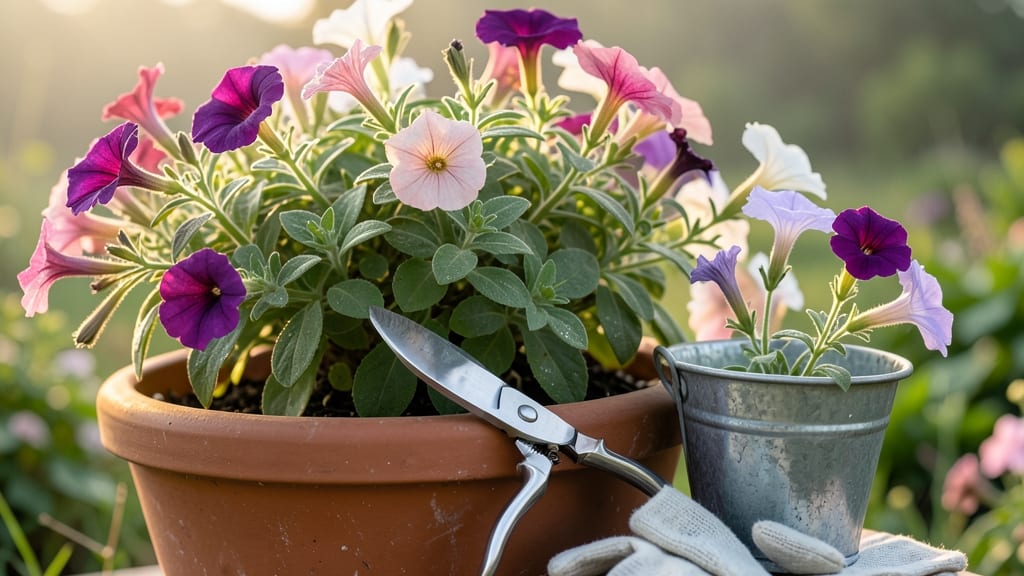
Pruning petunia plants early turns leggy stems into bushy, bloom-packed powerhouses—and it’s the secret to keeping them flowering until frost. 🌸 I’ve watched petunias go from sad, sparse stems to vibrant, overflowing baskets just by spending 10 minutes every 2 weeks with sharp scissors. The key? Prune at the right spots, at the right time, and you’ll double your blooms while preventing disease.
You’ll need clean pruning shears (or your fingers for pinching), a sunny spot, and a little patience. Start when plants are 6-8 inches tall, then repeat every 2-3 weeks through summer.
The goal is to encourage branching—cut just above a leaf node (that little bump where leaves grow) to trigger new side shoots. Avoid shearing too much at once, or you’ll shock the plant into leafy growth instead of flowers.
What you’ll get is petunias that keep blooming like they’re in a greenhouse, not just for a few weeks. The flowers stay vibrant longer, the plants fill in gaps naturally, and you’ll avoid the sad, bare stems that signal overgrown petunias.
Plus, healthy plants resist powdery mildew—just keep those leaves dry and prune regularly.
Works for all petunia types—trailing, bush, or multipetite—and adapts to containers, garden beds, or hanging baskets. The only rule? Never skip the early pinch—that’s what builds the strong framework for later blooms. Ready to transform those floppy stems into a nonstop flower show?
📚 In This Guide
- What you need
- Instructions
- Tips and common mistakes
- Wrapping up and next steps
What you need
- ● Sharp pruning shears or scissors: Choose bypass pruners (not anvil-type) to avoid crushing stems. A 4- to 6-inch blade works best for precision.
- ● Clean, sterilized tools: Wipe blades with rubbing alcohol (70% isopropyl) or a 10% bleach solution before and after use to prevent disease spread.
- ○ Gloves (optional but recommended): Wear gardening gloves to protect your hands from thorns (common in some petunia varieties) and dirt.
- ● Pruning saw (for thick stems): If your petunias have woody stems over ½-inch thick, a small handsaw may be needed for larger cuts.
- ● Sunny day with mild weather: Prune on a dry, overcast day (or early morning) to reduce stress on the plant. Avoid pruning in peak sun or extreme heat.
- ● Watering can or hose: Have water ready to hydrate the plant before and after pruning (especially in dry conditions).
- ● Compost or mulch: Keep a small bag or bin nearby to collect pruned stems for composting or disposal.
- ○ Plant food (optional): A balanced, water-soluble fertilizer (10-10-10 or 20-20-20) can be applied post-pruning to encourage new growth.
How to prune petunias for full, flower-packed growth
Petunias reward careful pruning with nonstop blooms all season. Here’s how to coax that bushy, vibrant look.
✂️ Step 1: Time Your First Pruning for Early Growth
Wait until your petunias have 4-6 sets of true leaves—not just the initial seed leaves. This usually happens 6-8 weeks after transplanting, when stems are sturdy but still flexible. Pinching too early stresses young plants, while waiting too long lets them grow leggy.
Use clean, sharp pruners (or your fingers) to pinch off the top set of leaves just above a leaf node where new growth emerges. This forces the plant to branch out instead of growing tall and spindly. I always make the cut at a 45-degree angle to prevent water from pooling on the stem—this keeps diseases at bay.
✂️ Step 2: Encourage Bushiness with Strategic Cuts
After the first pinch, new side shoots will appear within 7-10 days. Once these shoots reach 2-3 inches tall, pinch them again to promote even more branching. Think of it like training a bush to fill out: every time you cut, you’re telling the plant, “Grow wider, not taller.”
For trailing petunias, let the main stems grow longer but pinch every 4-6 inches to encourage more flowers along the length. You’ll see a noticeable difference in 2-3 weeks—plants will look fuller and start flowering more heavily. Avoid cutting into woody stems; focus on soft, green growth only.
☀️ Step 3: Deadhead and Prune for Continuous Blooms
Deadheading—removing spent flowers—is the secret to nonstop blooms. Use your fingers or small pruners to snip off wilted blooms at the base of the stem, just above a leaf node. This prevents the plant from wasting energy on seed production and redirects it to new flowers.
Every 7-10 days, scan your petunias for faded blooms and trim them back. If you notice yellowing leaves, don’t just cut the flowers—trim the entire stem back to a healthy leaf. This keeps the plant looking tidy and encourages fresh growth. Mornings are the best time to prune; the cuts have all day to heal before evening moisture sets in.
⏰ Step 4: Late-Season Pruning for Fall Color
As summer fades, petunias often slow down. About 6 weeks before your first frost, give them a final pruning to stimulate one last flush of blooms. Cut back one-third of the plant’s height, focusing on leggy or overgrown stems. This isn’t just about looks—it’s about giving your petunias a second wind before cold weather.
After pruning, fertilize lightly with a balanced, water-soluble fertilizer (like 10-10-10) to support new growth. If your petunias are in containers, move them to a sheltered spot where they’ll catch morning sun but avoid harsh afternoon winds. With this final push, you’ll often see new blooms within 2-3 weeks—just in time for fall color.
🌿 Step 5: Clean Up and Prevent Disease
Once frost hits, it’s time to clean up. Remove all dead or diseased stems and discard them in the trash (not your compost bin—petunia diseases can linger). Sterilize your pruners with rubbing alcohol to prevent cross-contamination if you’re reusing them for other plants.
If you’re overwintering petunias (in zones 9-11), trim back half the plant and reduce watering. Store containers in a cool, dry place (like a garage) and check monthly for pests. Next spring, you’ll have a head start on new growth—just give them a light pruning to shape them up before replanting.
Tips & tricks for perfect petunia pruning
A few strategic cuts can transform leggy petunias into lush, flowering powerhouses. Here’s what I’ve learned from years of pruning—mistakes and all.
Timing is Everything: The 6-8 week mark after transplanting is critical for that first pinch. I’ve seen beginners rush it and end up with stunted plants, or wait too long and struggle with woody stems. Look for sturdy stems with 4-6 sets of true leaves—those little seed leaves don’t count! This timing ensures your plant has enough energy to branch out properly.
Cutting Technique Matters: That 45-degree angle isn’t just for show—it prevents water from pooling on the stem, which is a disease magnet. I always use clean pruners (or my fingers for small jobs) and make the cut just above a leaf node where new growth emerges. This tiny detail makes all the difference between bushy plants and sad, spindly stalks.
Seasonal Strategy: The 6 weeks before frost pruning is my favorite trick for fall color. Cutting back one-third of the plant’s height gives them that second wind of blooms just when other flowers are fading. I’ve had petunias still flowering beautifully in late October thanks to this final push. For container petunias, move them to morning sun after this pruning—they’ll thank you with more blooms.
Disease Prevention: Sterilizing your pruners with rubbing alcohol between cuts is non-negotiable if you’re working with multiple plants. I learned this the hard way after losing a batch of petunias to bacterial wilt. Also, morning pruning gives cuts time to heal before evening moisture sets in—this simple habit keeps your plants healthier all season.
Pro Tips for Pruning Petunia Plants
- A few strategic cuts can transform leggy petunias into lush, flowering powerhouses.
- Timing is Everything: The 6-8 week mark after transplanting is critical for that first pinch.
- Cutting Technique Matters: That 45-degree angle isn’t just for show—it prevents water from pooling on the stem, which is a disease magnet.
Frequently asked questions
Got questions about pruning petunias? You’re not alone! Here are answers to the most common concerns—so you can keep your blooms lush and your garden thriving.
When is the best time to prune petunias?
Prune petunias in early spring (right after the last frost) to encourage new growth, and again in mid-summer (June–July) to revitalize leggy plants. Avoid heavy pruning in fall—focus on light trims to prep for winter. Pro tip: Always prune on a dry, sunny day to reduce stress on the plant.
How much should I cut back petunias?
For a light trim, snip just the wilted or overgrown stems (about 1/3 of the plant). For a heavy prune (like in spring), cut back by half to encourage bushier growth. Never remove more than 1/3 at once—petunias are delicate!
What if my petunias look sad after pruning?
Don’t panic! Petunias often temporarily look sparse post-prune, but they bounce back fast. Water deeply, keep them in bright light, and fertilize lightly (use a balanced 10-10-10 formula). New blooms should appear in 2–3 weeks.
Can I prune petunias too much?
Yes! Over-pruning (cutting back more than 1/3 of the plant at once) stresses petunias and can stunt growth. Stick to regular light trims and avoid pruning in late summer/fall—this can leave them vulnerable to cold. Think of it like a haircut: small, frequent adjustments keep them happy!
Do I need special tools to prune petunias?
Not necessarily! Use clean, sharp scissors (or pruners) for stems, but a thumb and forefinger pinch works for small trims. Avoid dull tools—they crush stems and invite disease. Bonus: Sterilize tools with rubbing alcohol between plants to prevent spread of pests.
Wrapping up and next steps
Pruning your petunias isn’t just about keeping them tidy—it’s your secret weapon for vibrant, bushier blooms and a longer display of color! 🌸 With the right tools, timing, and technique, you’ll transform those leggy stems into a lush, flowering powerhouse.
Remember, consistency is key, so grab those shears and enjoy the rewards of your green thumb.
Ready to take your petunia game to the next level? Start with one plant today—pinch, prune, and watch your garden thrive! For extra inspiration, experiment with different varieties or share your progress with fellow gardening enthusiasts. Happy pruning!