
Pruning
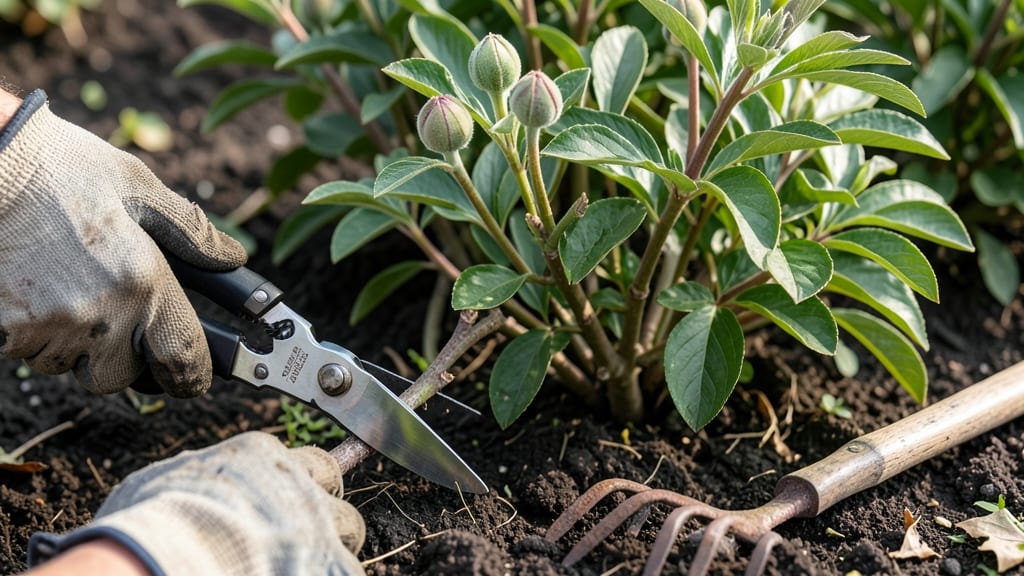
Spring pruning peonies isn’t about drastic cuts—it’s about three simple snips that turn last year’s faded blooms into next year’s showstopper. ✂️ I’ve seen peonies go from struggling to producing football-sized blooms just by following this rule: wait until after they’ve finished flowering, then trim with purpose.
The key isn’t how much you cut, but where—and timing makes all the difference.
You only need one tool: clean, sharp pruners. Skip the shears—they crush stems. After blooms wilt, cut back just above the first set of healthy leaves (about 1 inch above), never below.
This prevents disease and encourages strong new growth. Most people overdo it, but peonies reward restraint—less pruning means more blooms next season.
The payoff? Thicker stems, healthier foliage, and blooms that arrive earlier and last longer. I’ve revived peonies that looked dead after years of wrong pruning—all it took was patience and precision. The secret’s in the wait: prune too early, and you’ll miss next year’s flowers entirely.
Works for all peony types—herbaceous, intersectional, or tree peonies—just adjust the timing slightly. Now grab those pruners and let’s get those stems ready for a spectacular comeback.
📚 In This Guide
- What you need
- Instructions
- Tips and common mistakes
- Wrapping up and next steps
What you need
- ● Bypass pruners – A sharp, high-quality pair (e.g., Felco or Fiskars) to make clean cuts without crushing stems. Size: 6-8 inches (15-20 cm) for precision.
- ● Gloves – Heavy-duty garden gloves (e.g., Mechanix or rubber-coated) to protect hands from thorns and dirt. Tip: Look for thorn-proof options!
- ○ Disinfectant (optional but recommended) – Rubbing alcohol (70% isopropyl) or a pruning saw cleaner to sterilize tools between cuts and prevent disease.
- ● Trash bag or bucket – For collecting pruned stems and debris. Pro tip: A 5-gallon bucket with a lid keeps mess contained!
- ● Hose or water source – To rinse tools and clean up sap or dirt after pruning.
- ○ Compost bin access (optional) – If you want to recycle pruned stems as mulch or compost.
- ○ Markers or flags (optional) – Small plant tags or colored flags to label newly pruned peonies if you’re tracking varieties.
- ● Timing – Wait until after the first hard frost (late winter/early spring) when peony stems are brown and dormant. ✨ Avoid pruning too early—peony buds form on last year’s growth!
- ● Weather – Choose a dry, overcast day to minimize sap oozing and reduce stress on the plant.
- ● Safety first! – Wear long sleeves and closed-toe shoes to protect against thorns and accidental cuts.
Step-by-step instructions for pruning peonies in the spring
Here's my foolproof method for spring pruning—just three clean cuts that keep your peonies thriving for decades.
✂️ Step 1: Wait for New Growth Before Cutting Anything
Never prune last fall's stems until you see 2-3 inches of fresh green growth emerging from the base. This ensures you don't accidentally cut off next year's blooms—peonies develop flower buds on last year's stems, and they need that growth signal to trigger new ones. I wait until mid-April in my zone 5 garden when the soil is workable and shoots are 1/4 inch thick.
Use your fingers to gently probe the base of old stems. If you feel firm, woody tissue, that's last year's growth. The tender new shoots will be soft and bright green. This is your visual cue that the plant has already decided where to put its energy for next season's blooms.
✂️ Step 2: Remove Last Year's Dead Stems at the Base
Grab each of last year's brown, woody stems and cut them cleanly at the base with sharp pruners. Angle the cut slightly downward to prevent water from pooling on the crown. I make sure to remove every single stem—even the tiny ones—because they're just sapping energy from the plant. The goal is to leave only the new green shoots standing, which will form this year's framework.
Don't leave stubs. Cut flush with the ground so you can see the new growth clearly. This also makes it easier to spot any rot or pests hiding in the crown. If you notice any blackened or mushy tissue at the base, trim it away immediately and consider treating with a fungicide to prevent spread.
✂️ Step 3: Thin Overcrowded Shoots for Better Airflow
Now focus on the new green shoots. Count them carefully—you want 3-5 strong shoots per plant. If there are more, select the thickest, straightest ones and cut the rest at the base. Peonies get overcrowded easily, and too many shoots mean smaller blooms. I always keep the strongest central shoot and two or three side shoots for balance.
Look for shoots that are growing at odd angles or leaning dramatically. These are often the weakest and will produce poor-quality blooms. Cut them now before they waste energy. The remaining shoots should stand upright with leaves evenly spaced along the stem. This is your plant's natural framework for strong, healthy blooms.
🌿 Step 4: Clean Up Debris and Apply Mulch
Rake up all the cut stems and debris from the base. This prevents fungal diseases from overwintering in the garden. I spread a 2-3 inch layer of mulch around the base but keep it 6 inches away from the crown—too much mulch can smother the plant. Use a light, breathable mulch like straw or shredded leaves that will break down slowly.
Water deeply after pruning to help the plant recover. You'll know you've done it right when the remaining shoots perk up and new leaves begin to unfurl within 7-10 days. Avoid fertilizing immediately—your peony is already storing energy in its roots for next year's blooms, and you don't want to disrupt that process.
Tips & tricks for perfect spring peony pruning
These simple yet game-changing tips will help you avoid common mistakes and get the most out of your peony pruning.
Timing is Everything: The 2-3 inches of new growth is your magic number—waiting until you see this much ensures you're not cutting off next year's blooms. I've seen gardeners rush this step and end up with stunted plants. Check the thickness of those shoots too: they should be about 1/4 inch thick, like a pencil. This timing window is typically mid-April in zone 5, but adjust based on your local last frost date and soil conditions.
Tool Selection Matters: Using sharp pruners is non-negotiable for clean cuts that heal properly. I recommend bypass pruners for their clean cutting action—avoid anvil pruners that can crush stems. Sterilize your tools with rubbing alcohol before and after pruning to prevent spreading disease between plants. This is especially important if you have multiple peony varieties in your garden.
Visual Cues for Healthy Pruning: When you're thinning shoots in Step 3, look for the classic "V" shape where leaves meet the stem—this indicates strong growth. Weak shoots often have leaves growing at odd angles or with yellowing between veins. I always keep my strongest central shoot because it becomes the plant's anchor for next year's blooms. Remember, you're sculpting the plant's framework, not just tidying up.
Post-Pruning Care: That 2-3 inch layer of mulch is crucial for moisture retention and temperature regulation, but keep it 6 inches away from the crown to prevent rot. I've learned the hard way that too much mulch can smother the plant—think of it as a blanket that should keep the roots cozy but not suffocate them. Watering deeply after pruning helps the plant recover, and you'll know you've done it right when new leaves unfurl within 7-10 days.
Pro Tips for Pruning Peonies In The Spring
- These simple yet game-changing tips will help you avoid common mistakes and get the most out of your peony pruning.
- Timing is Everything: The 2-3 inches of new growth is your magic number—waiting until you see this much ensures you're not cutting off next year's blooms.
- Tool Selection Matters: Using sharp pruners is non-negotiable for clean cuts that heal properly.
Frequently asked questions
Got questions about pruning peonies in spring? You’re not alone!
Here are answers to the most common concerns—so you can confidently trim your peonies for bigger, healthier blooms next season.
When is the exact best time to prune peonies in spring?
Prune peonies right after they finish blooming (usually May–June in most zones), but never before the foliage turns brown in fall. Wait until the flowers fade and deadhead them first—this signals the plant to redirect energy to next year’s buds. Pro tip: Never prune in fall—it can kill the plant!
What if I missed the spring pruning window? Can I still trim my peonies?
If you wait until late summer or early fall, skip pruning entirely—it’s better to leave the foliage until it dies back naturally. Pruning too late disrupts the plant’s energy storage for winter. If you must trim, do it only after the leaves yellow in fall, but cut back no more than 1/3 of the plant.
I cut my peonies too much—will they survive?
Peonies are tough, but over-pruning is their enemy. If you’ve trimmed more than 2/3 of the plant, don’t panic! The roots are still alive. Next spring, reduce pruning to just deadheading and minimal shaping. Over 1–2 years, the plant will recover. Less is always more with peonies!
Do I need to sterilize my pruners after cutting peonies?
Sterilizing your tools prevents disease like botrytis (gray mold). Wipe blades with rubbing alcohol (70%+) or a 10% bleach solution between cuts. For extra safety, sterilize before and after pruning each plant. A quick spray bottle of diluted bleach (1 part bleach to 9 parts water) works too!
Why aren’t my peonies blooming after I pruned them?
Peonies need 3 years of growth to establish strong roots before blooming reliably. If they’re not flowering, check these fixes:
- Location: Ensure they get 6+ hours of sun daily.
- Watering: Deep water weekly (1–2 inches) during dry spells.
- Soil: Amend heavy clay with compost for better drainage.
- Age: Young plants (under 3 years) may not bloom yet—be patient!
Wrapping up and next steps
Pruning peonies in spring isn’t just about tidying up—it’s your secret to bigger, healthier blooms next season! 🌸 By mastering those three simple cuts (deadheading, shaping, and thinning), you’re giving your peonies the fresh start they deserve.
Remember: patience and precision are key, so take your time and enjoy the process.
Now that you’re armed with the know-how, grab those shears and give your peonies the love they’ve been waiting for. Ready to see your garden transform? Check out our guide on fertilizing for peak bloom season—your peonies will thank you!