
Pruning
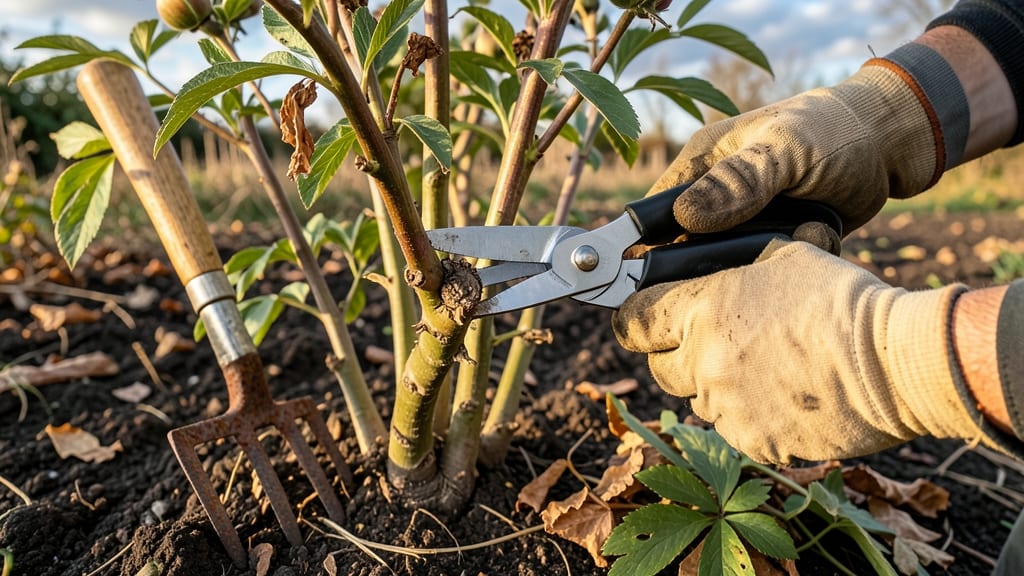
Fall is the best time to prune peonies—3 critical cuts now prevent winter dieback and set up next year’s blooms. 🌸 I’ve learned the hard way that skipping this step leads to weak growth, fewer flowers, and plants that struggle to recover after cold snaps.
The key is timing: wait until after the foliage yellows but before hard frost hits your zone.
You’ll need sharp pruners, gloves, and a clear day to work. First, remove any dead or diseased stems at the base. Next, cut back the foliage to about 6 inches tall—this helps the plant redirect energy to root growth.
Finally, trim any remaining leaves that look unhealthy, but leave the strong ones to photosynthesize until frost. This simple routine takes 10 minutes per plant and makes a huge difference.
The result? Stronger roots, more buds for spring, and peonies that bounce back from winter with vibrant green growth by early April. Over-pruning is the biggest mistake—never cut more than a third of the foliage, or you’ll weaken the plant.
In colder zones (4-6), wait until late fall; in milder areas (7-9), you can prune earlier.
This method works for herbaceous peonies (the most common type) and even tree peonies if you adjust the height slightly. Once you’ve done it once, you’ll wonder why you didn’t start sooner. Your peonies will thank you with bigger, healthier blooms next season.
📚 In This Guide
- What you need
- Instructions
- Tips and common mistakes
- Wrapping up and next steps
What you need
- ● Bypass pruners – Sharp, clean, and sterilized (1 pair). Avoid anvil pruners—they can crush stems.
- ● Disposable gloves – Nitrile or latex (1 pair) to protect against thorns and sap.
- ● Disinfectant (70% isopropyl alcohol or bleach solution) – 1:9 bleach-to-water ratio (for sterilizing tools between cuts).
- ● Heavy-duty trash bags or compost bin – For removing pruned foliage (1-2 bags or access to compost).
- ○ Garden twine or rubber bands – Optional but helpful for bundling large stems if needed.
- ● Wait until after the first hard frost – Peonies need dormancy (typically late fall, after leaves brown).
- ● Dry, mild weather – Avoid pruning if rain is forecasted within 24 hours.
- ● Clear workspace – Lay down a tarp or old blanket to collect debris easily.
Step-by-Step guide for pruning peonies in fall
Here's the method I've used for years to keep my peonies blooming boldly—no more winter dieback or weak stems.
✂️ Step 1: Wait for the Right Time to Prune
Never prune peonies in early fall—they need time to harden off. Instead, wait until after the first hard frost when foliage turns brown and crispy. This usually happens in late October or November, depending on your zone. I always check the forecast for a two-week stretch below 40°F before touching my peonies.
If you prune too early, you risk encouraging new growth that won't survive winter. The goal is to let the plant store energy in its roots while removing only what's necessary. Watch for fully browned leaves—that's your signal to grab the shears.
✂️ Step 2: Cut Back Dead Foliage Only
Use clean, sharp pruners to cut back the entire dead foliage to about 2 inches above the ground. This removes last season's growth while leaving the dormant buds (those little swollen bumps at the base) untouched. I like to make a clean, diagonal cut just above a bud to prevent water from pooling.
Don't cut into the crown (the thick, woody base)—this is where next year's blooms form. If you accidentally sever the crown, your plant may never recover. After cutting, remove all debris from the garden bed to prevent fungal diseases from overwintering.
✂️ Step 3: Apply Mulch for Winter Protection
Spread a 3-4 inch layer of organic mulch (like shredded leaves or straw) around the base of the plant, but keep it 2-3 inches away from the crown to avoid rot. This insulates the roots while allowing moisture to drain. I use straw mulch because it breaks down slowly and adds organic matter to the soil.
Water the base deeply before mulching to ensure the roots have enough moisture to survive winter. Avoid overwatering—peony roots need to dry out slightly in winter. In Zone 5 and colder, I add an extra layer of mulch for extra protection against extreme cold.
⏰ Step 4: Mark and Monitor for Spring
Place a small stake or flag near each pruned peony to mark its location—new growth can be hard to spot in spring. This helps you avoid accidentally cutting into the crown when you start spring cleanup. I also take a quick photo of each plant before mulching to remember where they are.
In early spring, remove the mulch once new shoots appear (usually in March or April). This prevents the crown from getting too wet and rotting. Watch for green shoots—that's your cue to start spring maintenance. No need to prune again until next fall!
Tips & tricks for perfect fall peony pruning
Here’s what I’ve learned after years of trial and error with my own peony garden—these small details make all the difference between healthy blooms next spring and sad, struggling plants.
Timing is Everything: The two-week stretch below 40°F is your golden window, but don’t wait until the ground freezes solid. If your area gets a sudden warm spell after the frost, your peonies might start growing again—then another cold snap could kill the tender new shoots. I check my local weather app daily in late fall and mark the calendar when we hit that two-week cold streak.
Pruning Precision: When cutting back in Step 2, make sure your pruners are sharp enough to slice cleanly through the stems without crushing them. A dull blade can tear the plant tissue, creating entry points for diseases. I like to use bypass pruners for this job—they give me that clean cut every time. And remember, those 2 inches above ground level are critical: too high, and you risk cutting into the crown; too low, and you leave too much dead foliage that could harbor pests.
Mulch Like a Pro: The 3-4 inch layer of organic mulch isn’t just about insulation—it’s about creating the right microclimate around your peony roots. I’ve found that straw works better than leaves in my climate because it breaks down more slowly and doesn’t compact as much over winter. One trick I learned: after spreading the mulch, I give it a gentle fluff with my hands to create little air pockets—this helps prevent rot while still insulating the roots.
Spring Readiness: Those stakes or flags you place in Step 4 aren’t just for decoration—they’re your insurance policy against spring mishaps. I’ve accidentally dug up peonies in spring because I couldn’t remember where they were planted. Pro tip: take a quick photo of each plant after pruning and label it with the variety name if you have multiple types. In March, when you see those first green shoots, that’s your cue to remove the mulch—but don’t rush! Wait until you see at least 2-3 inches of new growth before pulling it all away.
Pro Tips for Pruning Peonies In The Fall
- Here’s what I’ve learned after years of trial and error with my own peony garden—these small details make all the difference between healthy blooms next spring and sad, struggling plants.
- Timing is Everything: The two-week stretch below 40°F is your golden window, but don’t wait until the ground freezes solid.
- Pruning Precision: When cutting back in Step 2, make sure your pruners are sharp enough to slice cleanly through the stems without crushing them.
Frequently asked questions
Got questions about pruning your peonies this fall? You’re not alone—this task can feel tricky, especially for beginners! Below, we’ve tackled the most common concerns to help you prune with confidence and keep your peonies thriving.
When is the exact best time to prune peonies in the fall?
The ideal window is after the first hard frost but before the ground freezes solid (typically late October to early November in most climates). This gives the plant time to heal while protecting it from winter’s harshest chill. If you miss fall, wait until early spring—just don’t delay past bud swell!
Do I have to cut peonies back in the fall, or can I skip it?
You can skip fall pruning, but it’s highly recommended for two reasons:
- Prevents winter dieback by reducing moisture retention in the foliage.
- Makes spring cleanup way easier—dead stems are already gone!
What if I prune too late or too early? Will my peonies die?
Peonies are tough and won’t die from timing mistakes, but late pruning (after ground freeze) can leave cuts vulnerable to rot, while early pruning (before frost) may encourage new growth that won’t survive winter. If you’re unsure, err on the side of waiting—a few extra weeks in the fall won’t hurt!
Can I prune peonies too aggressively? How low is too low?
Yes! Cutting back more than 1/3 of the plant’s height (or below the crown) risks damaging the eyes (buds) that produce next year’s blooms. Aim to leave 6–12 inches of stem above the soil, and never use hedge trimmers—they can harm the delicate crown. Hand pruners or loppers are your best friends!
I see brown spots or weird growths on my peony stems. Should I prune those now?
If you spot blackened, mushy stems (signs of botrytis blight or rot), prune them immediately—even in fall—to prevent spread. For peony wilt disease (yellowing leaves), remove all infected foliage and disinfect your tools. Dispose of diseased debris in the trash (not compost)—it’s contagious!
| Quick Troubleshooting Guide |
|---|
|
Problem: No blooms next spring Cause: Over-pruning or crown damage Fix: Lighten up—leave more stems and avoid cutting into the crown. |
|
Problem: Stems break easily Cause: Weak growth from poor pruning or over-fertilizing Fix: Prune in fall, fertilize lightly in early spring, and stake tall stems. |
|
Problem: Fungal issues (white powder, mold) Cause: Overcrowded plants or wet foliage Fix: Thin plants for airflow and prune for better circulation. |
Wrapping up and next steps
Fall pruning is your secret weapon for healthier, more vibrant peonies next spring! 🌸 By following the three critical cuts—removing spent blooms, thinning crowded stems, and clearing dead foliage—you’ll prevent winter dieback and encourage stronger growth.
Now that you’re armed with the know-how, grab your pruners and give your peonies the care they deserve.
Ready to transform your garden? Start by marking your calendar for early fall—just after the first frost—and tackle one section at a time. Your future blooms will thank you!