
Pruning
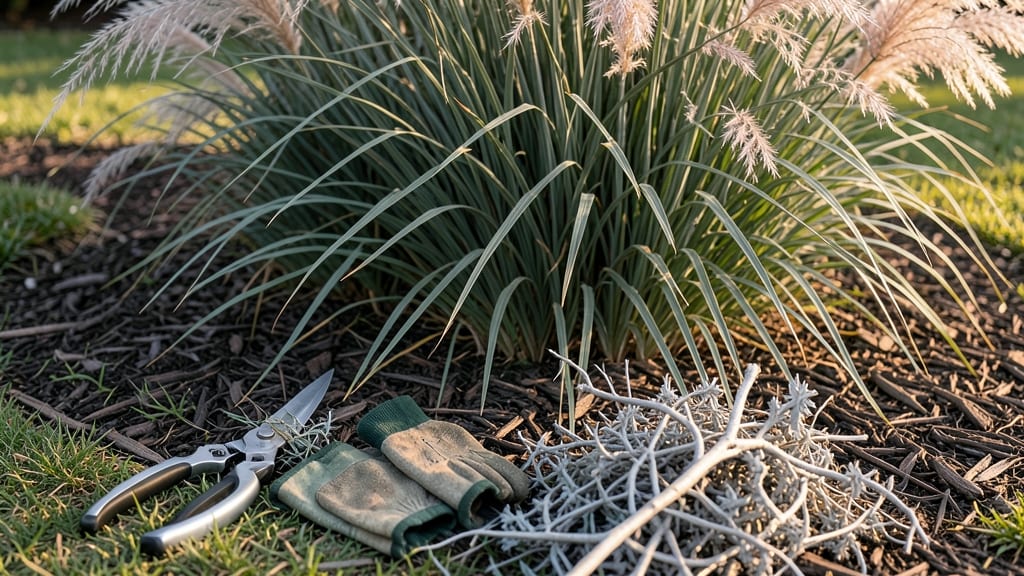
Pruning pampas grass transforms your yard from wild to showstopping within a single afternoon. 🌿 I’ve wrestled with these towering beauties for years—until I learned the dormant-season secret that keeps them lush, controlled, and blooming like clockwork.
The key? Timing, sharp tools, and a method that protects both your hands and the plant’s future growth.
You’ll need long-handled loppers, heavy-duty gloves (those plumes are razor-sharp!), and a wheelbarrow for debris—plus a clear day when temps hover above freezing. Start in late winter or early spring, just as new shoots emerge but before the plant wakes fully.
This is when pampas grass is most resilient, and you’ll avoid disturbing next year’s blooms.
Picture this: three clean cuts per stalk—first at the base, then two more to shape the plume into a full, rounded canopy. The before-and-after difference is shocking—what once looked tangled and overgrown now stands neat, airy, and ready to burst with flowers.
Just avoid cutting into the crown (the thick base), or you’ll stunt the plant’s growth.
Post-pruning, water deeply and mulch around the base to protect roots as new growth kicks in. The payoff? Fewer pests, easier maintenance, and plumes that fill out beautifully by summer. Even my first attempt looked professional—once I knew the tricks.
📚 In This Guide
- What you need
- Instructions
- Tips and common mistakes
- Wrapping up and next steps
What you need
- ● Pruning shears or hedge clippers – Choose bypass-style shears (for clean cuts) or heavy-duty hedge clippers (for thick stalks). Size: 6–8" blades for precision.
- ● Loppers – For thicker stems (½"–1" diameter). Opt for bypass loppers with 8–10" handles for leverage.
- ● Heavy-duty gloves – Garden gloves with reinforced palms (thorns on pampas grass are sharp!). Look for nitrile-coated or leather options.
- ● Safety glasses – Protect your eyes from debris (especially when cutting dense foliage).
- ● Wheelbarrow or sturdy trash bags – For hauling pruned debris. Quantity: 1–2 bags or a wheelbarrow per 3–5 plants.
- ○ Rake or leaf blower – To clear away cuttings afterward. Optional: A mulching mower if you’re composting.
- ● Disinfectant spray (70% isopropyl alcohol or bleach solution) – Spray tools between cuts to prevent disease spread.
- ● Knee pads – For comfort if pruning large plants or working on the ground.
- ● Extension pole saw – If your pampas grass is taller than 6 feet (reaches up to 10–15 ft!).
- ● Pruning saw – For extremely thick stalks (rare, but useful for neglected plants).
- ● Garden twine or burlap – Tie up pruned sections temporarily if you’re doing a gradual prune over days.
Step-by-step guide to pruning pampas grass in dormancy
Here's how to revive your pampas grass for next year's showstopping plumes—no guesswork, just precision cuts.
✂️ Step 1: Time Your Cut for Maximum Regrowth
Wait until late winter or early spring when your region's last frost has passed but before new growth appears. This timing ensures you're cutting back dead growth while leaving dormant buds intact. You'll know it's the right moment when the grass appears completely brown and crispy—no green shoots peeking through yet.
If you're in a mild climate, aim for February or March. In colder zones, hold off until March or April. The key is to prune 3-4 weeks before your area's average last frost date. This gives roots time to recover before spring warmth triggers new growth.
🌱 Step 2: Assess the Canopy and Plan Your Cuts
Examine your pampas grass from all angles to identify the healthiest central growth point. Healthy plants will have a thick, upright stem with visible buds near the base. Weak or leggy plants may need more aggressive pruning to encourage stronger regrowth.
Use a sharp pair of pruners to make your first cut—never use dull tools that tear the stems. Stand back and visualize where you'll cut: 1-2 inches above the ground for most varieties, but 3-4 inches if your plant has multiple stems emerging from the base. This height prevents accidental damage to dormant buds.
✂️ Step 3: Cut Back Dead Growth with Precision
Make a clean, diagonal cut about 1-2 inches above any visible buds or new growth. Avoid cutting too low—this can damage the plant's root system. If you're unsure where the buds are, look for small swellings or slightly darker areas near the base of the stems.
For larger clumps, work in sections to avoid overwhelming the plant. After each cut, step back and assess the shape. You want to maintain a rounded, natural silhouette—never cut into the center where old growth meets new. This ensures air circulation and prevents disease.
☀️ Step 4: Clean Up and Prepare for Spring Growth
Remove all cuttings and debris from the base of the plant to prevent fungal growth or pests from taking hold. Dispose of the clippings in your yard waste—never compost them, as they can harbor diseases that may affect other plants.
Once the area is clear, apply a 2-3 inch layer of mulch around the base (but not touching the stems) to protect roots from temperature fluctuations. Water deeply but avoid soaking the soil—pampas grass roots are sensitive to rot. You'll see new shoots emerging within 4-6 weeks, signaling successful pruning.
⏰ Step 5: Monitor and Adjust for Next Year
Keep an eye on your pampas grass through the growing season. If it develops long, bare stems by mid-summer, it’s a sign it needs light summer trimming—cut back one-third of the height to encourage bushier growth. Avoid heavy pruning in summer, as it can stress the plant before winter.
By next dormant season, you'll have a fuller, more vibrant plant with thicker plumes—proof that precise timing and clean cuts pay off. If your plant still looks sparse after two years, consider dividing it in early spring to rejuvenate growth.
Tips & tricks for pruning pampas grass
Precision cuts make all the difference when pruning pampas grass—here's how to avoid common pitfalls and get professional results every time.
Timing is Everything: The 3-4 week window before your last frost isn't just a suggestion—it's critical. I learned this the hard way after pruning too early in a cold snap, which damaged emerging buds. Check your local frost dates and mark your calendar. If you're unsure, wait until you see no green shoots for at least 10 days. This timing ensures your plant has time to recover before spring's warmth triggers new growth.
Tool Selection Matters: Sharp pruners aren't optional—they're essential. I've used dull shears that crushed stems and left jagged edges, which led to disease. Invest in a good pair of bypass pruners (like Felco or Fiskars) and sharpen them annually. For larger clumps, consider a pruning saw for the thickest stems. Always clean your tools with rubbing alcohol between cuts to prevent spreading any potential pathogens.
Visual Cues for Perfect Cuts: That 1-2 inch height above the ground isn't arbitrary—it's about protecting dormant buds. Look for the small swellings near the base (they're often slightly darker than the surrounding stem). These are your growth points for next season. If you're cutting too low, you'll see fresh green tissue exposed, which means you've damaged the plant's ability to regrow properly. For varieties with multiple stems, aim for 3-4 inches to give each stem room to develop.
Post-Pruning Care Strategy: The 2-3 inch mulch layer isn't just decoration—it's protection. I've seen plants struggle when mulch was applied too close to stems (causing rot) or too thin (not providing enough insulation). Use organic mulch like wood chips or straw, and keep it 2-3 inches away from the stems. Water deeply but infrequently—pampas grass roots need moisture but hate soggy conditions. You'll know you're doing it right when you see those first green shoots in 4-6 weeks.
Pro Tips for Pruning Pampas Grass
- Precision cuts make all the difference when pruning pampas grass—here's how to avoid common pitfalls and get professional results every time.
- Timing is Everything: The 3-4 week window before your last frost isn't just a suggestion—it's critical.
- Tool Selection Matters: Sharp pruners aren't optional—they're essential.
Frequently asked questions
Got questions about pruning your pampas grass? You’re not alone! Here are some of the most common concerns—and expert answers—to keep your ornamental grass looking its best.
When is the best time to prune pampas grass?
The ideal window is late winter or early spring (just before new growth emerges). If you’re in a mild climate, wait until February or March—this ensures you remove dead foliage without harming fresh shoots. Avoid pruning in fall, as it can leave the plant vulnerable to cold damage.
How short can I cut pampas grass without killing it?
Never cut more than ⅓ of the plant’s height—this rule protects the crown (where new growth starts). For most varieties, aim to trim back to 12–18 inches tall. Over-pruning risks exposing the base to rot or frost. Think of it like a haircut: less is more!
What do I do if my pampas grass turns brown after pruning?
Brown tips or stems are normal post-prune, but if the entire plant looks crispy, you may have cut too aggressively or pruned at the wrong time. Wait until spring for new growth. For spotty browning, check for pests or disease—like fungal issues—and treat accordingly. Patience is key!
Can I prune pampas grass in summer?
Summer pruning is not recommended because the plant is actively growing (or dormant in hot climates). Cutting back then stresses the grass, weakens its structure, and can invite pests. If you must tidy up, lightly trim only the tips of dead plumes—but save major pruning for dormant season.
Are there alternatives to pruning pampas grass?
If pruning feels daunting, try these low-maintenance options:
- Leave it natural: Pampas grass thrives with minimal intervention—just remove only the dead plumes in spring.
- Mulch heavily: A thick layer of mulch around the base suppresses weeds and retains moisture, reducing the need for pruning.
- Choose dwarf varieties: Smaller types (like Cortaderia selloana ‘Pumila’) require less aggressive pruning.
Wrapping up and next steps
Pruning pampas grass during its dormant season is your secret to a lush, healthier plant that bursts back to life with vibrant blooms. By following these steps—timing, tools, and technique—you’ll keep your grass tidy, encourage new growth, and even prevent pests. You’ve got this!
Ready to transform your landscape? Grab your pruners and schedule that pruning session before winter’s chill sets in. Watch your pampas grass thrive with minimal effort—and enjoy the stunning results all season long! 🌿✨